 Sign In



Attachments
Note: Not all attachments are visible to the general public. Research URLs will go live after the embargo ends.

 Australia; NSW; QLD; WA
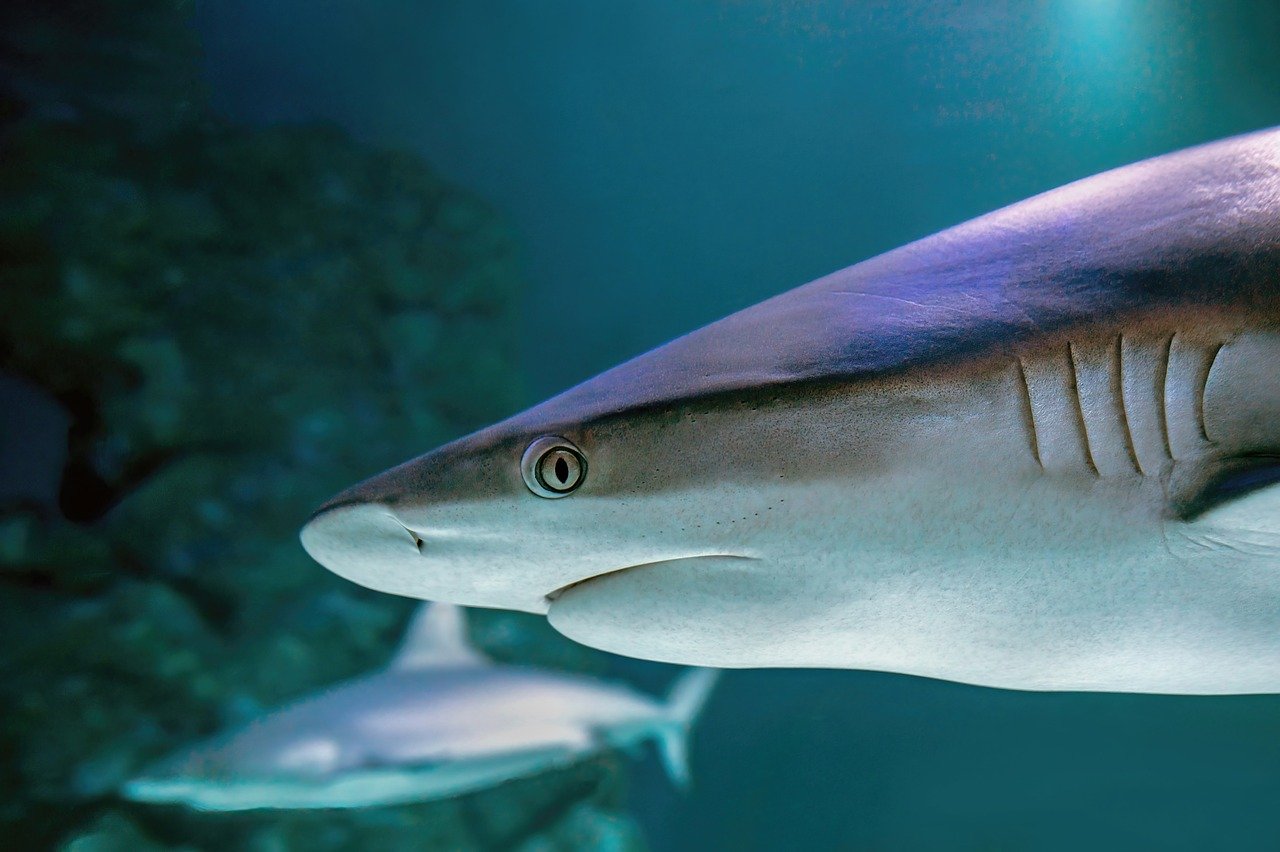
Australian researchers say an electric shark deterrent device called RPELX reduced shark depredation - when a shark swoops in and scarfs fish still on the line or in a net before fishers have a chance to land them - by 63%. The team tested the device in Australia's Cocos Islands, where cucut, as shark depredation is known locally, is a big problem, causing costly losses of fish and gear. The team kitted out six fishers with RPELX across 11 days, and asked them to fish using the device some of the time, and to leave it undeployed and switched off at other times for comparison. They abandoned testing the device when deployed but switched off after two were bitten by sharks and a further three were damaged on the seafloor. In total, the fishers carried out 51 fishing sessions yielding 262 fish, showing RPELX reduced the likelihood of depredation, reduced shark bycatch, and reduced the loss of fishing gear. The results suggest RPELX could benefit fishers in the Cocos Islands, as well as other areas of the world where depredation by sharks is an issue, the authors conclude.
Note: Not all attachments are visible to the general public. Research URLs will go live after the embargo ends.

