 Sign In



 International
News release
From:
Bacteria frozen in ancient underground ice cave found to be resistant against 10 modern antibiotics
A bacterial strain thriving in icy environments could sharpen antibiotic resistance crisis – or help solve it, new research shows
Bacteria lurk everywhere. However, it’s only after researchers retrieve them from the most remote corners of the Earth that we can learn more about the risks and potentials they pose. When researchers examined a bacterial strain discovered in 5,000-year-old layers of cave ice, they found it resistant to 10 modern antibiotics and harboring even more genes related to resistance. Yet, it also showed promising enzymatic activities and could inhibit the growth of ‘superbugs’ resistant to multiple antibiotics. This highlights the importance of studying ancient bacteria to understand the natural evolution of antibiotic resistance and ways in which those bacteria could be used for future medical and biotechnological solutions, the researchers said.
Bacteria have evolved to adapt to all of Earth’s most extreme conditions, from scorching heat to temperatures well below zero. Ice caves are just one of the environments hosting a variety of microorganisms that represent a source of genetic diversity that has not yet been studied extensively.
Now, researchers in Romania tested antibiotic resistance profiles of a bacterial strain that until recently was hidden in a 5,000-year-old layer of ice of an underground ice cave – and found it could be an opportunity for developing new strategies to prevent the rise of antibiotic resistance and study how resistance naturally evolves and spreads. They reported their discovery in Frontiers in Microbiology.
“The Psychrobacter SC65A.3 bacterial strain isolated from Scarisoara Ice Cave, despite its ancient origin, shows resistance to multiple modern antibiotics and carries over 100 resistance-related genes,” said author Dr Cristina Purcarea, a senior scientist at the Institute of Biology Bucharest of the Romanian Academy. “But it can also inhibit the growth of several major antibiotic-resistant ‘superbugs’ and showed important enzymatic activities with important biotechnological potential.”
Ancient resistance to modern medication
Psychrobacter SC65A.3 is a strain of the genus Psychrobacter, which are bacteria adapted to cold environments. Some species can cause infections in humans or animals. Psychrobacter bacteria have biotechnological potential, but the antibiotic resistance profiles of these bacteria are largely unknown. “Studying microbes such as Psychrobacter SC65A.3 retrieved from millennia-old cave ice deposits reveals how antibiotic resistance evolved naturally in the environment, long before modern antibiotics were ever used,” said Purcarea.
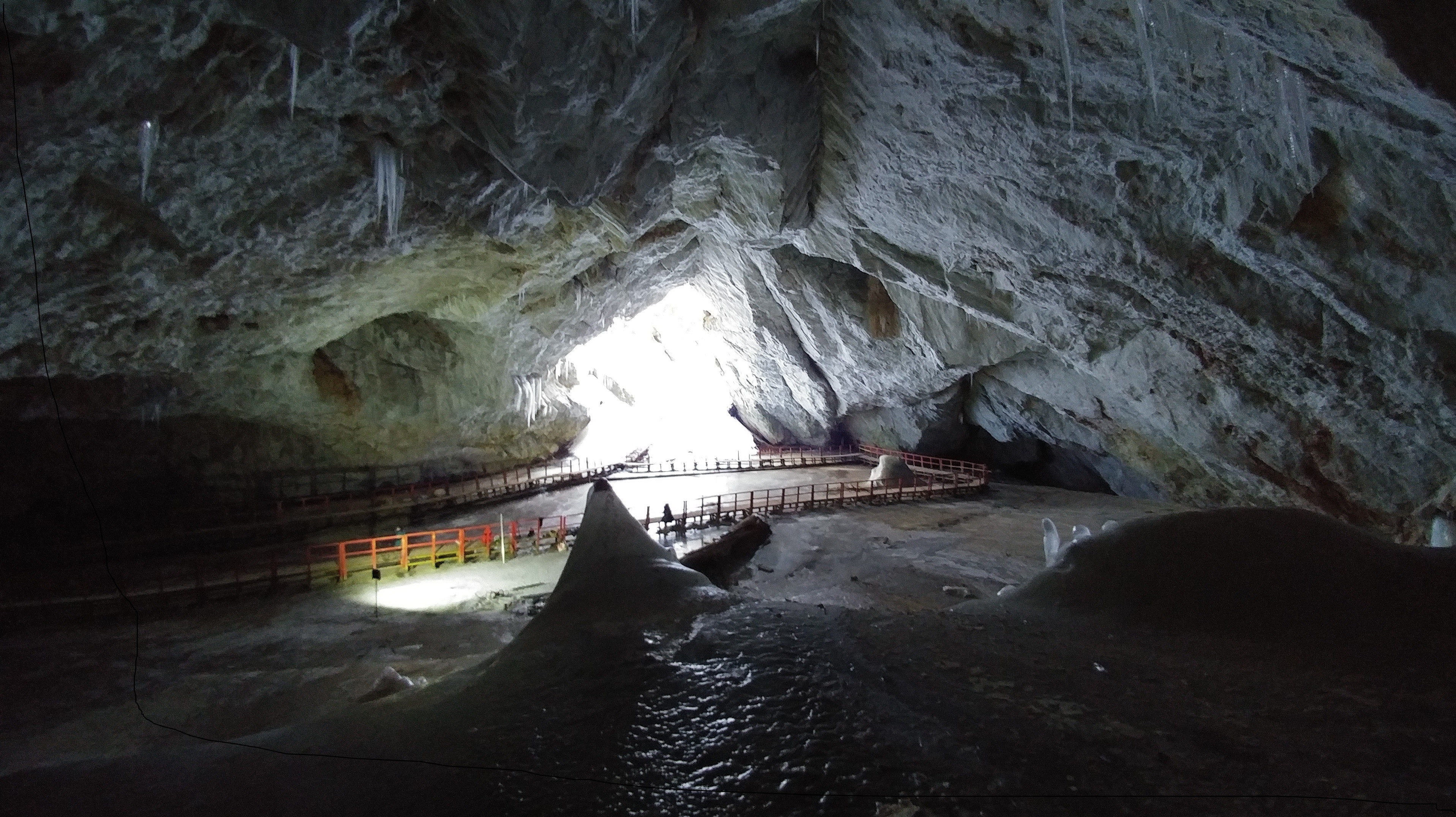
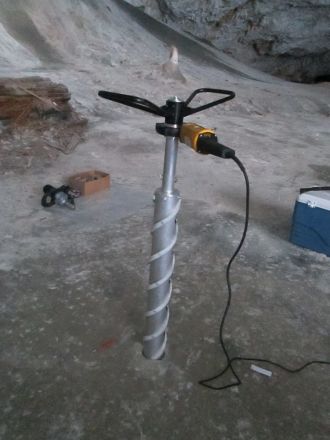
The team drilled a 25-meter ice core from the area of the cave known as the Great Hall, representing a 13,000-year timeline. To avoid contamination, the ice fragments taken from the core were placed in sterile bags and kept frozen on their way back to the lab. There, the researchers isolated various bacterial strains and sequenced their genome to determine which genes allow the strain to survive in low temperatures and which confer antimicrobial resistance and activity.
They tested for resistance of the SC65A strain against 28 antibiotics from 10 classes that are routinely used to or reserved for treating bacterial infections, including antibiotics that have previously been identified to possess resistance genes or mutations that give them the ability to resist drug effects. This way, they could test whether predicted mechanisms translated into measurable resistance. “The 10 antibiotics we found resistance to are widely used in oral and injectable therapies used to treat a range of serious bacterial infections in clinical practice,” Purcarea pointed out. Diseases such as tuberculosis, colitis, and UTIs can be treated with some of the antibiotics that the researchers found resistance to, including rifampicin, vancomycin, and ciprofloxacin.
SC65A.3 is the first Psychrobacter strain for which resistance to certain antibiotics – including trimethoprim, clindamycin, and metronidazole – was found. Those antibiotics are used to treat UTIs, infections of lungs, skin, or blood, and the reproductive system. SC65A.3’s resistance profile suggests that strains capable of surviving in cold environments could act as reservoirs of resistance genes which are specific DNA sequences that help them survive exposure to drugs.
Risky potential
Bacterial strains like the one examined here hold both a threat and a promise. “If melting ice releases these microbes, these genes could spread to modern bacteria, adding to the global challenge of antibiotic resistance,” Purcarea said. “On the other hand, they produce unique enzymes and antimicrobial compounds that could inspire new antibiotics, industrial enzymes, and other biotechnological innovations.”
In the Psychrobacter SC65A.3 genome, the researchers found almost 600 genes with unknown functions, suggesting a yet untapped source for discovering novel biological mechanisms. Analysis of the genome also revealed 11 genes that are potentially able to kill or stop the growth of other bacteria, fungi, and viruses.
Such potential is becoming ever more important in a world where antibiotic resistance is a growing concern. Going back to ancient genomes and uncovering their potential highlights the important role the natural environment played in the spread and evolution of antibiotic resistance. “These ancient bacteria are essential for science and medicine,” Purcarea concluded, “but careful handling and safety measures in the lab are essential to mitigate the risk of uncontrolled spread.”
Multimedia

Attachments
Note: Not all attachments are visible to the general public. Research URLs will go live after the embargo ends.


