Sign In



 Australia; NT
News release
From:
A new study has found alarming rates of youth-onset type 2 diabetes among Aboriginal and Torres Strait Islander young people across northern Australia, raising concerns for their future health.
The study uncovered what is arguably the highest reported prevalence in any population of youth internationally within the past 25 years and ten times higher than previously reported in Australia.
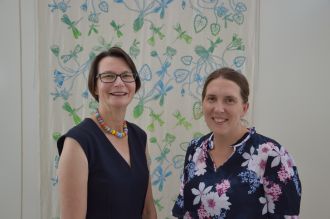
Led by Menzies School of Health Research (Menzies) PhD student and Royal Darwin Hospital (RDH), NT Health Paediatric Endocrinologist, Dr Angela Titmuss, the study, Youth-onset type 2 diabetes among First Nations young people in northern Australia: a retrospective cross-sectional study, was published in the prestigious journal The Lancet Diabetes & Endocrinology today.
Despite knowledge of the very high prevalence of youth-onset type 2 diabetes in Aboriginal and Torres Strait Islander populations across northern Australia (Northern Territory, Kimberley and Far North Queensland) there has been minimal data available in Australia to accurately determine the burden for these young people.
“This is the first study to use primary health care data as the basis of prevalence estimates which gives us confidence in the accuracy of the findings as it is primary health care services who usually look after these young people,” Dr Titmuss said.
“Only 14 per cent of young people in our study, defined as before the age of 25 years, had blood glucose levels within recommended targets. For those falling outside of the target, the risk of developing complications such as kidney damage at a young age is significantly increased.”
“This reflects the reality that the majority of young people in this study are living in poverty with very high levels of educational disadvantage. They are also living with the impacts of intergenerational trauma including exposure to multiple adverse early childhood experiences which we know contributes greatly to the development of chronic disease in later life, including diabetes and metabolic syndrome. Lack of food security further compounds these issues.”
Co-author, Menzies Senior Principal Research Fellow and RDH, NT Health Head of Endocrinology, Professor Louise Maple-Brown says that the data determined by the study is an important stage of the collaborative work already occurring across northern Australia between Aboriginal Community Controlled Health Services, government health services, Menzies and other agencies.
“This co-design study is important as it builds on the evidence required for us to work together with families and communities to further develop models of care that better meet the needs of young Aboriginal and Torres Strait Islander people with type 2 diabetes and improve their outcomes,” Prof Maple-Brown said.
“Developing type 2 diabetes at a young age has implications not only for the young person but for the future of their children, as babies exposed to high blood glucose levels during a pregnancy are at higher risk to develop type 2 diabetes at an even younger age than their mother, which would lead to even higher prevalence rates in the future.”
For further details on the co-design study visit Youth Diabetes - Diabetes across the Lifecourse (diabeteslifecourse.org.au).
The full paper can be read in The Lancet Diabetes & Endocrinology.
Multimedia