 Sign In



 Australia; QLD
News release
From:
New Griffith University-led research suggests that existing systems for food safety, rather than broad, untargeted bans on wildlife trade are key to preventing the next pandemic.
Published in Lancet Planetary Health, with co-authors from the IUCN Wildlife Health Specialist Group and the TRAFFIC wildlife monitoring network, the research, led by Dr Duan Biggs from the Centre for Planetary Health and Food Security argues that a solution to the disease risk in wildlife trade is through extending existing food health safety systems.
“The wildlife trade is suspected to have played a role in the appearance and spread of new potentially dangerous diseases including COVID-19,” Dr Biggs said.
“In response, many organisations have called for a global ban of the trade and consumption of wild animals by humans.”
Dr Biggs points out that history shows blanket bans are impractical and unsustainable with serious livelihood consequences for those dependent on wildlife trade and alternatives need to be sought.
“Bans in wildlife trade in response to previous disease outbreaks like Ebola have been short-lived and unsustainable, and in many ways increase disease risk as trade is forced underground,” Dr Biggs said.
“Targeted Bans have their place and value, but alternatives also need to be sought.”
Current food health safety systems have been developed and used for decades to be able to sell food in supermarkets, and restaurants, but with very limited application in wildlife trade.
Co-author Dr Richard Kock, of the Royal Veterinary College London and Chair of the International Union for the Conservation of Nature’s Wildlife Health Specialist Group, suggests that a Critical Control Points approach, widely used in food systems for livestock, could be expanded to the Wildlife Trade.
“The Critical Control Points system identify points in food supply chains where there are high risks, and specify actions, checks, and processes to manage the risk.”
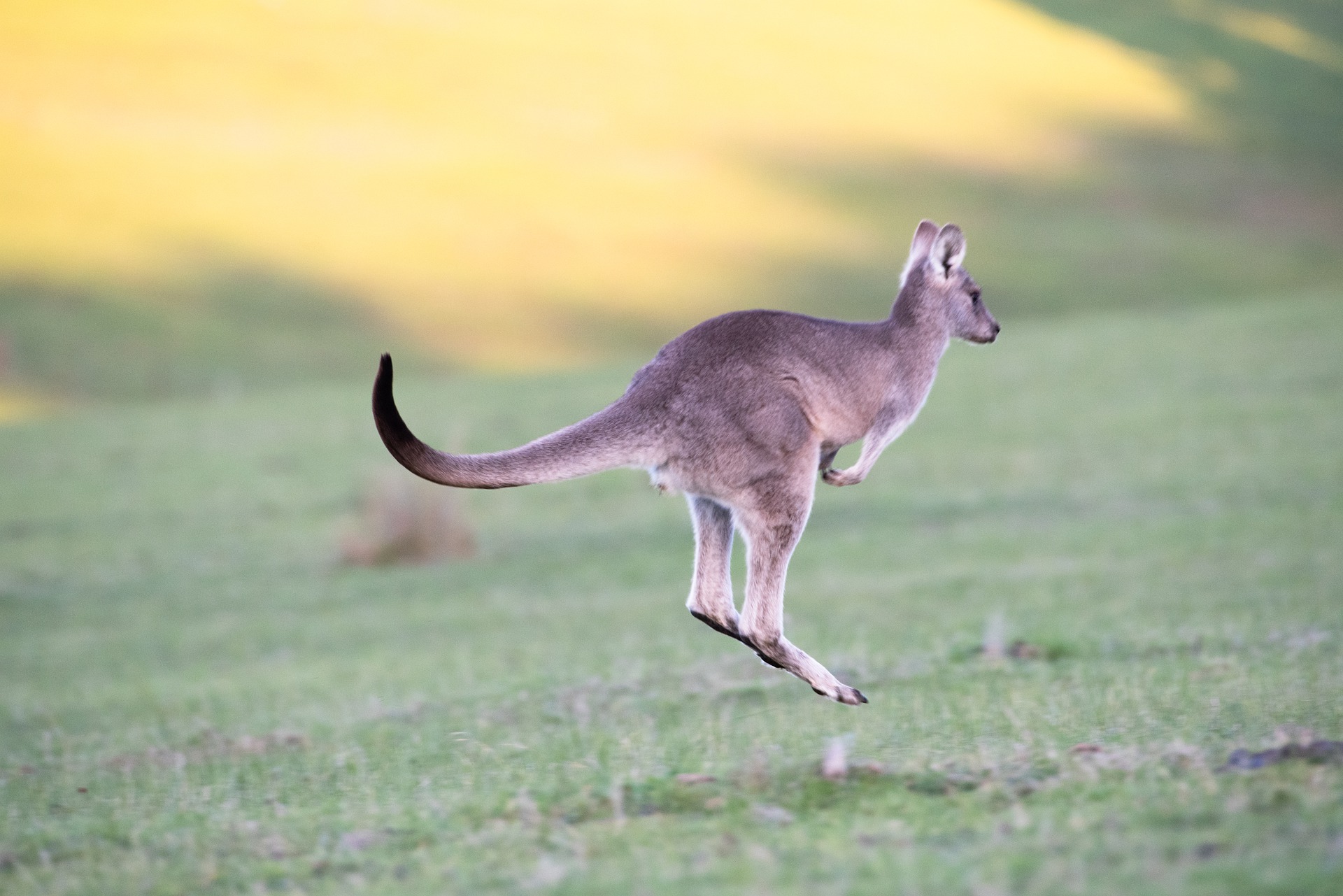
Dr Biggs pointed out that these systems are already being used for trade in the kangaroo meat.
“It makes sense to see how the Critical Control Points system, which has been adopted by FAO, WHO and the International Organisation for Animal Health, can be adapted to the wildlife trade more broadly.”
“There is no need to reinvent the wheel – or think bans are the only option.”

