Habitat loss can leave a delayed mark on wildlife

Publicly released:
International
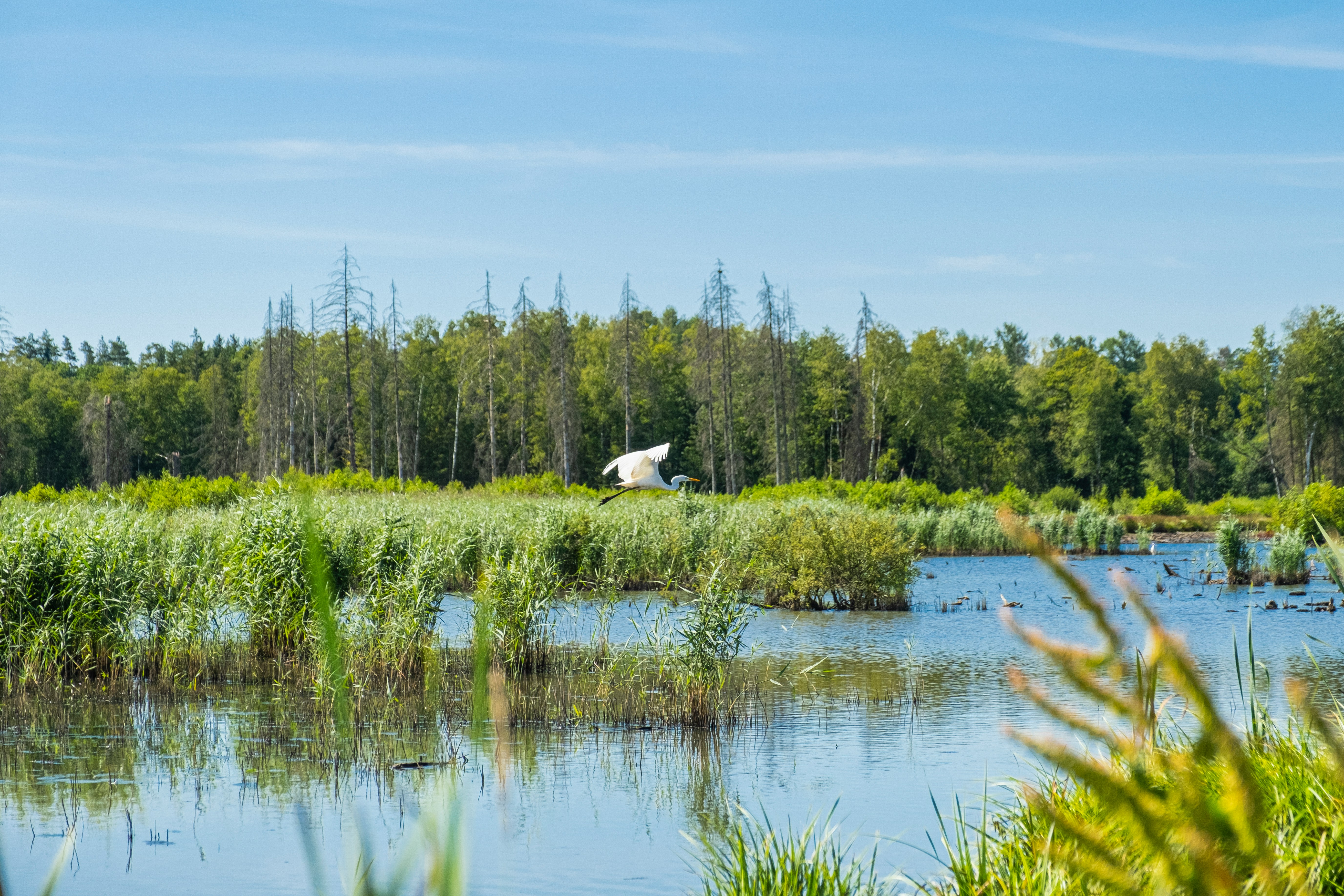
Photo by Coralie Meurice on Unsplash

The effects of environmental changes on wildlife can take years to become fully apparent, a new international paper finds. In a review of 127 studies looking at how wildlife responds over time to habitat loss, fragmentation, land-use change and other environmental pressures, the authors found that while some species were able to persist, others face delayed extinction. Most research focused on the Northern Hemisphere, with major gaps in other ecosystems and species, and no data for NZ. The authors say conservation efforts should not rely on biodiversity snapshots, and need to account for the delayed effects when deciding where and when to act.

News release

From: The Royal Society

Extinction Debt and Colonisation Credit in Conservation Science
Proceedings of the Royal Society B: Biological Sciences

Current conservation often relies on "snapshots" of nature, but biodiversity reacts to environmental change with a delay. This study reviews 127 empirical studies of extinction debt (delayed losses) and colonisation credit (delayed colonisation). The results reveal that research is biased towards Northern Hemisphere terrestrial systems, with gaps across taxa and habitats, and most studies focus on the impact of fragmentation and land-use change. We identify new pahtways to integrate delayed responses into active management, arguing that conservation must look beyond what is visible today to account for these ecological debts and credits before the window of opportunity closes.

Expert Reaction

These comments have been collated by the Science Media Centre to provide a variety of expert perspectives on this issue. Feel free to use these quotes in your stories. Views expressed are the personal opinions of the experts named. They do not represent the views of the SMC or any other organisation unless specifically stated.

Professor George Perry, Professor Environment, University of Auckland

"While every action may have an equal and opposite reaction, in ecological systems, these reactions are often delayed or lagged. For example, the flow of nutrients into water bodies such as lakes may continue for a long time (for centuries) after their excess application to the land has ceased. In the context of species response to change, these legacy effects come in two forms: extinction debts and colonisation credits. Extinction debts refer to the delayed loss of species after a perturbation, such as habitat loss, and colonisation credits to the lag in the return of species after an intervention, such as habitat restoration. In other words, extinction debt is the species we are still to lose, and colonisation credit is the species we are still to gain.
"Rylance et al. review the growing literature on these lags, describing strong biases towards the Northern Hemisphere (which is pervasive across much of ecology), towards forest ecosystems, and towards habitat loss. They describe a disconnect between the theoretical understanding of these lag effects and the conservation tools required to address them. Lagged responses to conservation interventions pose significant challenges to conservation and mean that interventions need to take a long-term view. Such a long-term view may challenge the often short-term, reactive responses to conservation crises, but also, as Rylance et al. state, "provide critical windows of opportunity" that conservation scientists need to be more aware of."
Last updated:  02 Sep 2026 7:34am
Contact information
Contact details are only visible to registered journalists.
Declared conflicts of interest No conflict of interest

Attachments

Note: Not all attachments are visible to the general public. Research URLs will go live after the embargo ends.

Research The Royal Society, Web page
Journal/
conference:
Royal Society B: Biological Sciences
Research:Paper
Organisation/s: University of Leeds - UK
Funder: No funding has been received for this article.
Media Contact/s
Contact details are only visible to registered journalists.