 Sign In



Attachments
Note: Not all attachments are visible to the general public. Research URLs will go live after the embargo ends.

 International
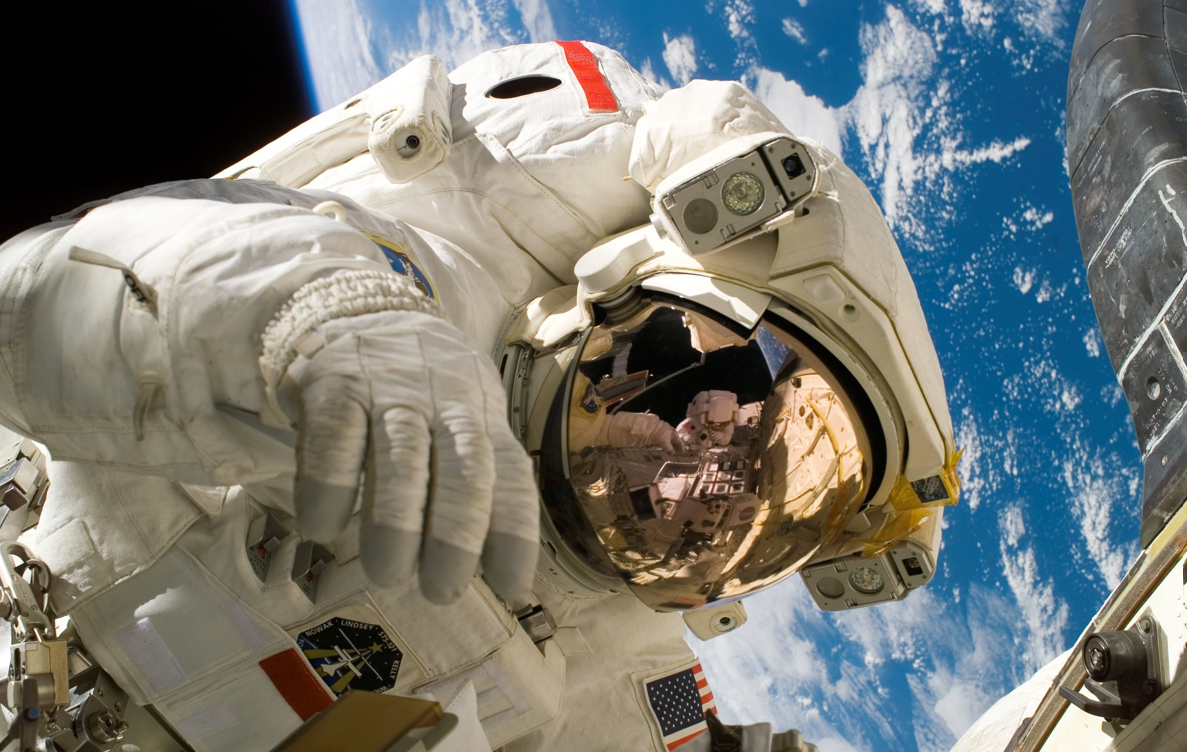
US scientists used data from the 'Lifetime Surveillance of Astronaut Health' program and measurements of vision and eye health before and after spaceflights to figure out which astronauts are most at risk of spaceflight-associated neuro-ocular syndrome (SANS). SANS includes changes in long- or short-sightedness, the loss of the eye's round shape at the back, the development of wrinkles or lines at the very back of the eye, and optic disc edema - when the spot at the back of the eye where the optic nerve connects swells up. Crunching the numbers, the researchers found body mass index (BMI) is the strongest predictor of whether an astronaut will experience SANS, with those carrying more weight at greater risk. This may be because weightlessness changes the pressure in the eye, and these effects are more pronounced among people who are heavier, the experts say.
Note: Not all attachments are visible to the general public. Research URLs will go live after the embargo ends.

