 Sign In



Attachments
Note: Not all attachments are visible to the general public. Research URLs will go live after the embargo ends.

 International
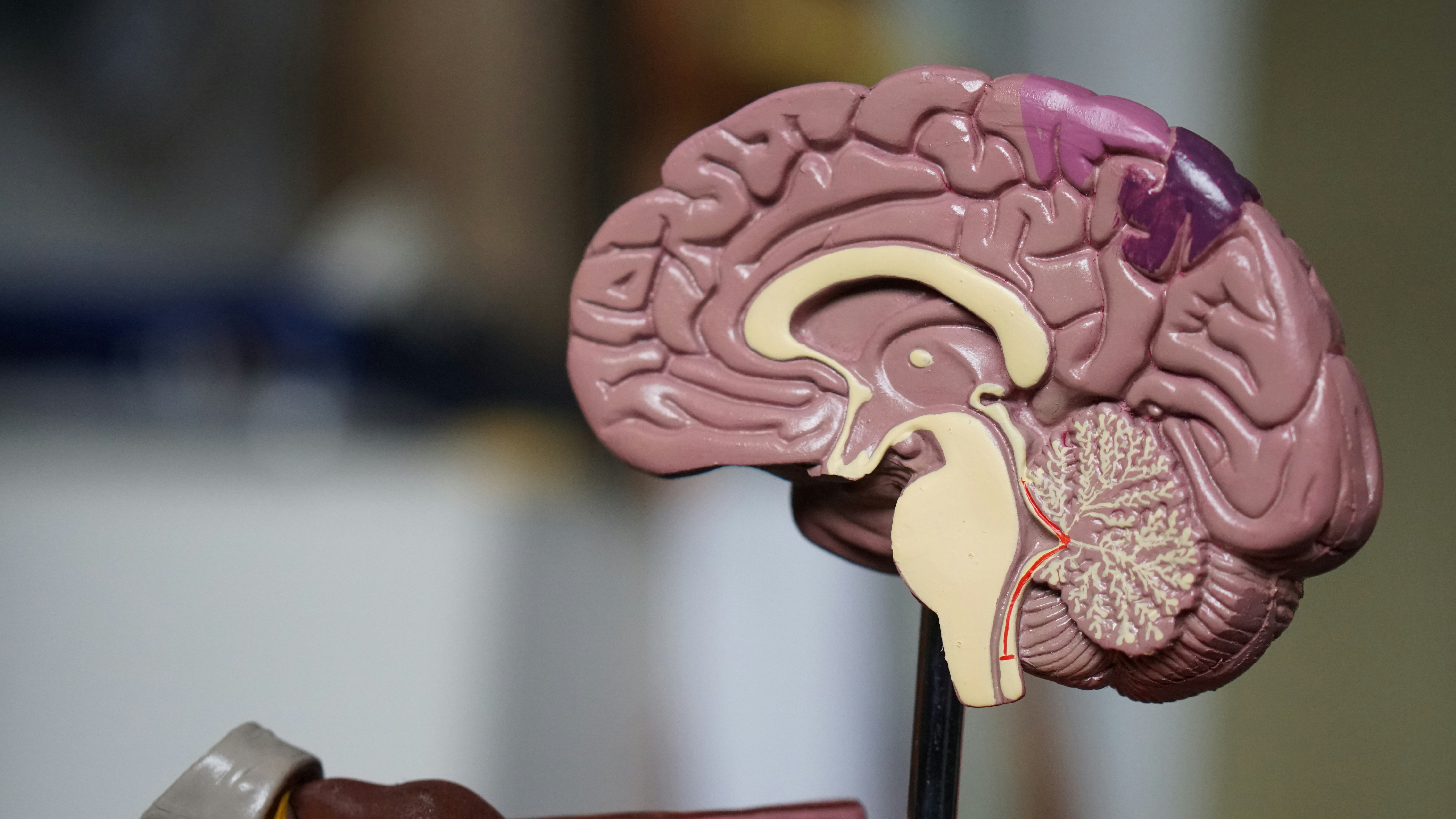
An international study looking at brain samples has detected microplastics and nanoplastics in almost all of them, but the researchers say there is still plenty of work to do to properly understand how they're getting in, and what impact they're having. The researchers collected brain samples from 113 brain tumour patients alongside 35 post-mortem samples from donors without brain tumours. Analysing the samples, they say they detected microplastics or nanoplastics in 99.4% of the diseased samples and 100% of the healthy samples. Higher concentrations of nanoplastics were found around tumours, the researchers say, which could suggest that cancer compromises the blood-brain barrier, making it easier for microplastics to get through. The researchers say current methods for detecting microplastics in the brain are showing inconsistent results, and there is a need for improved technology to better track microplastics in the body, with evidence still unclear on how they might impact human health.
Note: Not all attachments are visible to the general public. Research URLs will go live after the embargo ends.

