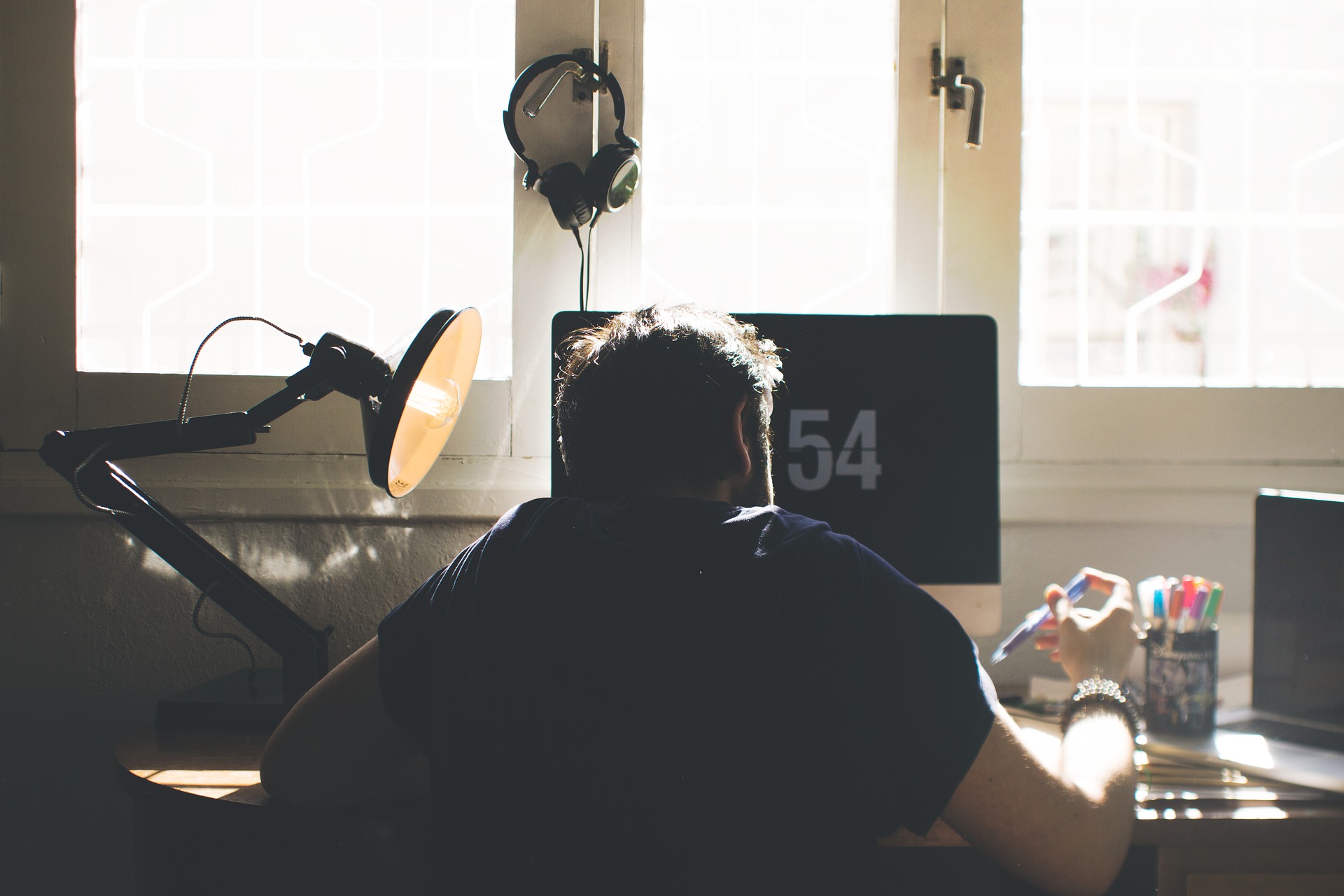
WFH during COVID-19? The longer you sit the more likely your work will be sh... not great

Publicly released:
International

Are you sitting more since you started working from home? Your job performance might be suffering, according to Japanese research. The study found that people who had to sit for long periods of time during the COVID-19 pandemic say that their job performance got worse. In a survey-based study of 14,648 workers in Japan, 15 per cent of workers said that pandemic-related changes in the work environment worsened their work performance. The study found that although telework both improved and worsened performance, sitting for long periods of time was associated only with worsened performance.

Media release

From: Wiley-Blackwell

Prolonged sitting linked to impaired work performance during the COVID-19 pandemic

In a study published in the Journal of Occupational Health, workers who had to sit for long periods of time during the COVID-19 pandemic reported worsened job performance.

In the survey-based study of 14,648 workers in Japan, 15% of workers said that pandemic-related changes in the work environment worsened their work performance, 4% said it improved their work performance, and 81% said it caused no change. Although telework both improved and worsened performance, sitting for long periods of time was associated only with worsened performance.

“The COVID-19 pandemic provided us a chance to reconsider the traditional working style. As our paper suggested, we should avoid a long sitting duration to maintain performance,” said lead author Kenta Wakaizumi, MD, PhD, of the Keio University School of Medicine, in Tokyo.

Attachments

Note: Not all attachments are visible to the general public. Research URLs will go live after the embargo ends.

Research Wiley-Blackwell, Web page Please link to the article in online versions of your report (the URL will go live after the embargo ends).
Journal/
conference:
Journal of Occupational Health
Research:Paper
Organisation/s: Keio University School of Medicine, Japan
Funder: This study was funded by the Japan Society for the Promotion of Science (JSPS) KAKENHI Grants (grant number: 17H03589; 19K10671; 19K10446; 18H03107; 18H03062), the JSPS Grant-in- Aid for Young Scientists (grant number: 19K19439), Research Support Program to Apply the Wisdom of the University to tackle COVID-19 Related Emergency Problems, University of Tsukuba, Kao Research Council for the Study of Healthcare Science (grant number: C-213105), and a Health Labour Sciences Research Grant (grant number: 19FA1005; 19FG2001).
Media Contact/s
Contact details are only visible to registered journalists.