 Sign In



 International
News release
From:
Benin Bronzes are made of German brass
Chemical analysis traces trade of metal from Rhineland to West Africa
The renowned Benin Bronzes are composed of metal sourced from Germany, according to a study published April 5, 2023 in the open-access journal PLOS ONE by Tobias Skowronek of the Technische Hochschule Georg Agricola, Germany, and colleagues.
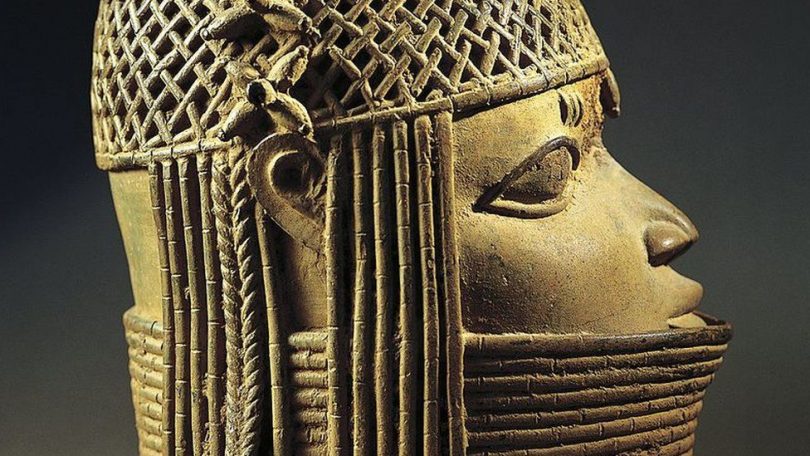
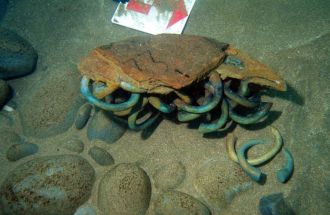
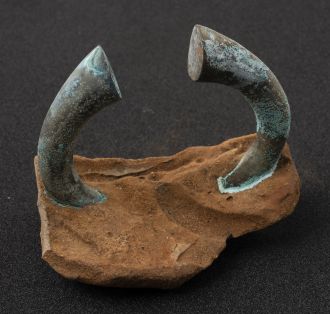
The Benin Bronzes collectively refers to thousands of African artworks in the form of heads, plaques, figurines, and other objects produced by the Edo people of Nigeria between the 16th and 19th Century AD. It is commonly thought that the metal in these sculptures was sourced from small brass rings called “manillas” which were used as currency in European trade in West Africa, but this has been difficult to confirm. The artifacts have also been the subject of controversy in light of the ongoing repatriation discussions between Nigerian officials and many museums holding the Benin Bronzes.
In this study, researchers performed chemical analysis on 67 manillas recovered from five Atlantic shipwrecks and three land sites in Europe and Africa dating between the 16th and 19th Century, specifically identifying lead isotope signatures and trace element compositions of the metal. They found a strong similarity between the metal composition of the Benin Bronzes and that of the manillas used in Portuguese trade prior to the 18th Century, suggesting these manillas were a major source of metal for the sculptures.
Furthermore, the composition of those manillas is similar to ores from the German Rhineland, suggesting that Germany was the principle source of metal for production of pre-18th Century manillas and, ultimately, the Benin Bronzes. The consistency in metal composition of the Bronzes suggests that African metalsmiths were very selective about what metal they would use.
The authors note that analysis of other German-produced metal wares from this time might shed further light on the details of early Atlantic trade. They also note that Portuguese manillas were likely not the only source of metal for the Benin Bronzes, thus there are more questions to be answered about the production of the famous sculptures.
Tobias Skowronek adds: “The Benin Bronzes are the most famous ancient works of art in all West Africa. Where their brass came from has long been a mystery. Finally, we can prove the totally unexpected: the brass used for the Benin masterpieces, long thought to come from Britain or Flanders, was mined in western Germany. The Rhineland manillas were then shipped more than 6,300 kilometers to Benin. This is the first time a scientific link has been made.”
Multimedia

Attachments
Note: Not all attachments are visible to the general public. Research URLs will go live after the embargo ends.


