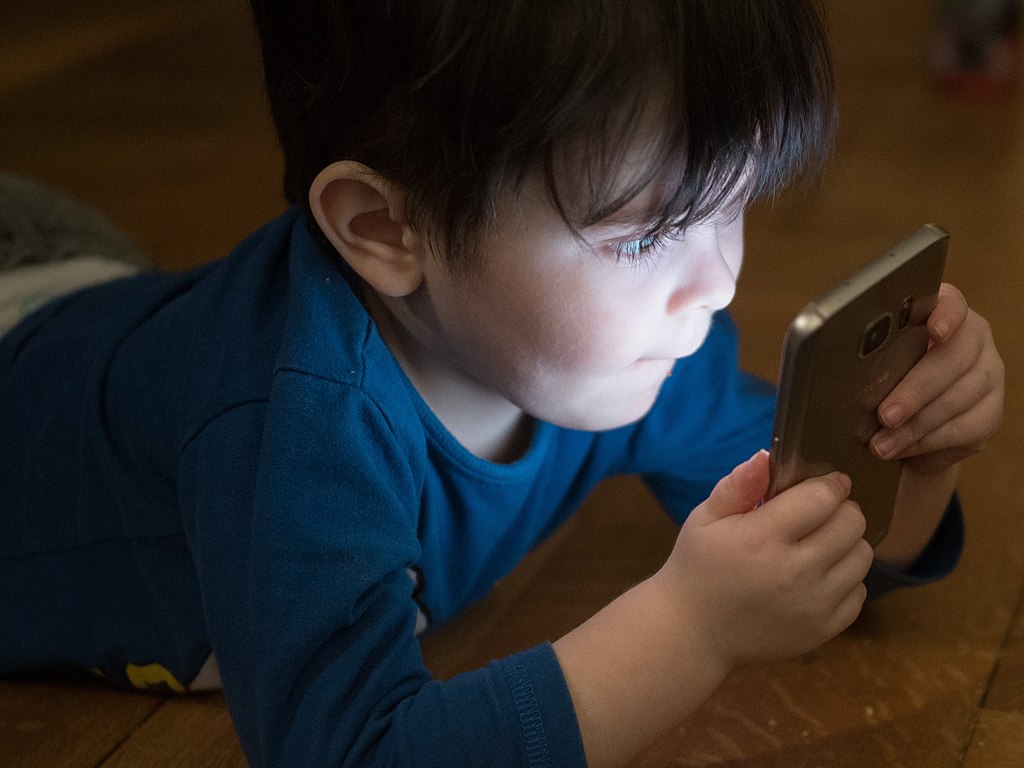
Using mobiles to calm kids may stop them learning to regulate their emotions

Publicly released:
International
CC-0
CC-0

A US study of 422 parents and 422 children aged between three and five found that frequently giving kids mobile devices to calm them down may stop them from learning normal emotion regulation strategies. The authors say the kids who were given mobiles to calm them were less able to think clearly and more likely to have emotional reactions than those who were never or only rarely calmed by mobiles. When the team followed up after three months and six months, they found the kids calmed by mobiles were no worse in their thinking skills than the others, but they were still more likely to react emotionally. The effects were strongest among boys and kids with an angry temperament.

News release

From: JAMA

Mobile Device Use for Calming, Emotional Reactivity, Executive Functioning in Young Children

About The Study: The findings of this study that included 422 parents and 422 children suggest that the frequent use of mobile devices for calming young children may displace their opportunities for learning emotion-regulation strategies over time; therefore, pediatric healthcare professionals may wish to encourage alternate calming approaches. 

Attachments

Note: Not all attachments are visible to the general public. Research URLs will go live after the embargo ends.

Research JAMA, Web page The URL will go live after the embargo ends
Journal/
conference:
JAMA Pediatrics
Research:Paper
Organisation/s: University of Michigan, USA
Funder: This research was funded by grant 1R21HD094051 from the Eunice Kennedy Shriver National Institute of Child Health and Human Development, awarded to Drs Radesky (principal investigator), Miller (coinvestigator), and Kaciroti (coinvestigator). REDCap and recruitment support was provided by the Michigan Institute for Clinical & Health Research (Clinical and Translational Science Award: grant number UL1TR002240).
Media Contact/s
Contact details are only visible to registered journalists.