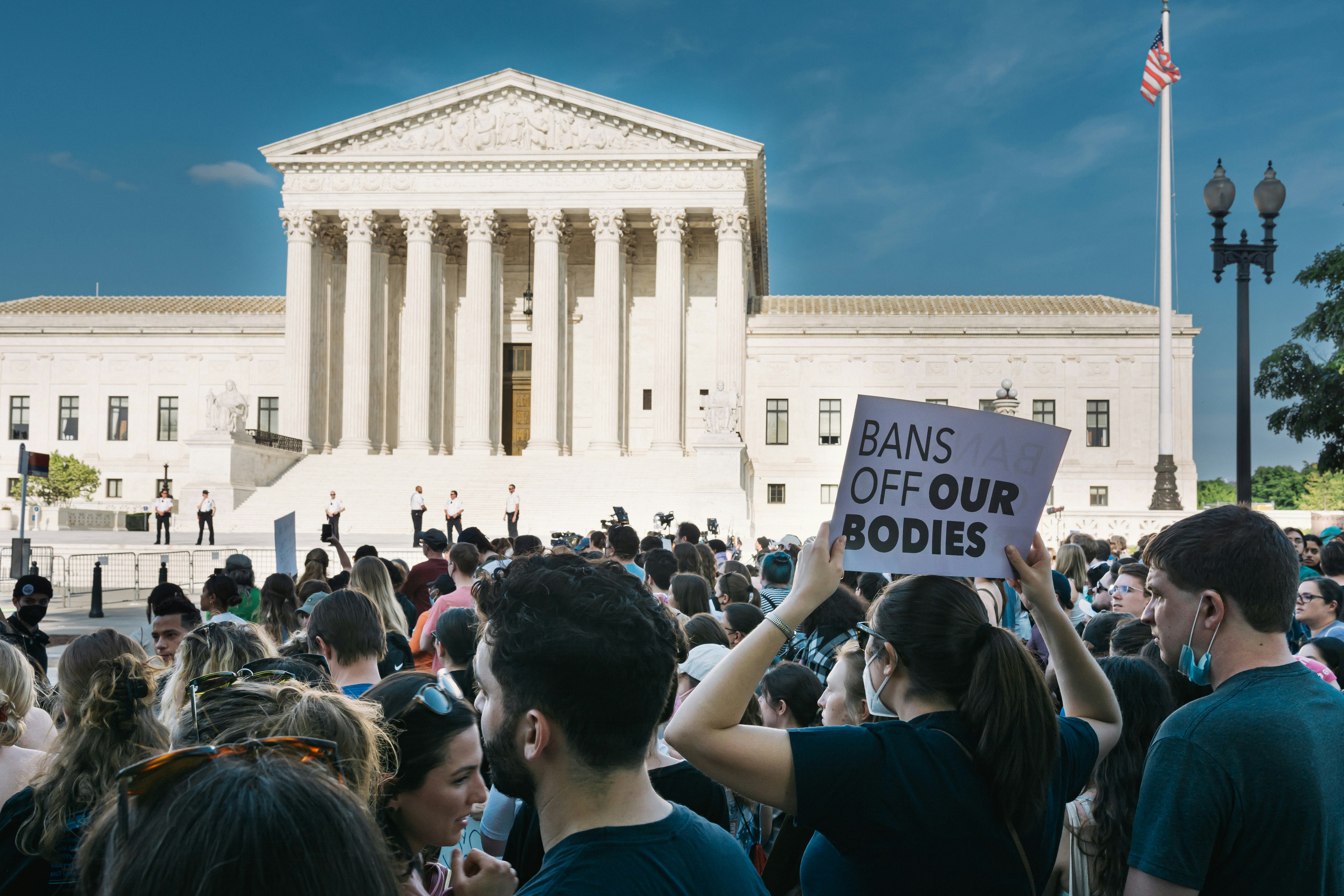
US abortion bans affected much more than just abortions

Publicly released:
International
CC-0
CC-0

US scientists say abortion bans in the country have had downstream effects on medical care that reach far beyond abortion itself. The team interviewed 40 doctors in nine states with total abortion bans, and say six major themes emerged. These were: (1) delays in care and deviations from standard practice for early pregnancy loss, ectopic pregnancy, molar pregnancy, preterm prelabour rupture of membranes, and maternal illnesses; (2) ambiguity and fear among doctors; (3) loss of patient autonomy and shared decision-making; (4) erosion of trust in the patient-doctor relationship; (5) placement of dotors into new 'gatekeeping' roles; and (6) increased health care system burdens. The bans have served to shift clinical decision-making away from patient-centred care and professional judgment, and towards mitigating legal risks. This cannot be good for patient safety, equity, and medical ethics, they warn.

News release

From: JAMA

Abortion Bans and Pregnancy-Related Care Across Physician Specialties

About The Study: In this qualitative study of the consequences of abortion bans across multiple medical specialties, abortion bans were associated with disrupted clinical care far beyond what is traditionally categorized as abortion, with treatment delays that endanger patients, undermined patient autonomy and physician-patient trust, and with new gatekeeping roles for physicians. These restrictions shifted medical decision-making from clinical judgment and patient values toward legal risk mitigation, with potential long-term consequences including exacerbation of health care inequities and compromised ability to provide safe and effective care for pregnant patients.

Attachments

Note: Not all attachments are visible to the general public. Research URLs will go live after the embargo ends.

Research JAMA, Web page The URL will go live after the embargo ends
Journal/
conference:
JAMA Network Open
Research:Paper
Organisation/s: Beth Israel Deaconess Medical Center, USA
Funder: This study was supported by the William F. Milton Fund, an internal grant from Harvard University (Dr Neill).
Media Contact/s
Contact details are only visible to registered journalists.