 Sign In



 New Zealand
News release
From:
Note: Professor Shane Cronin is currently in Tonga, and could have poor phone reception.
"We studied how to monitor eruptions at isolated submarine volcanoes using the sounds they make in the ocean. From this we discovered a possible way to warn for volcanic-induced tsunami.
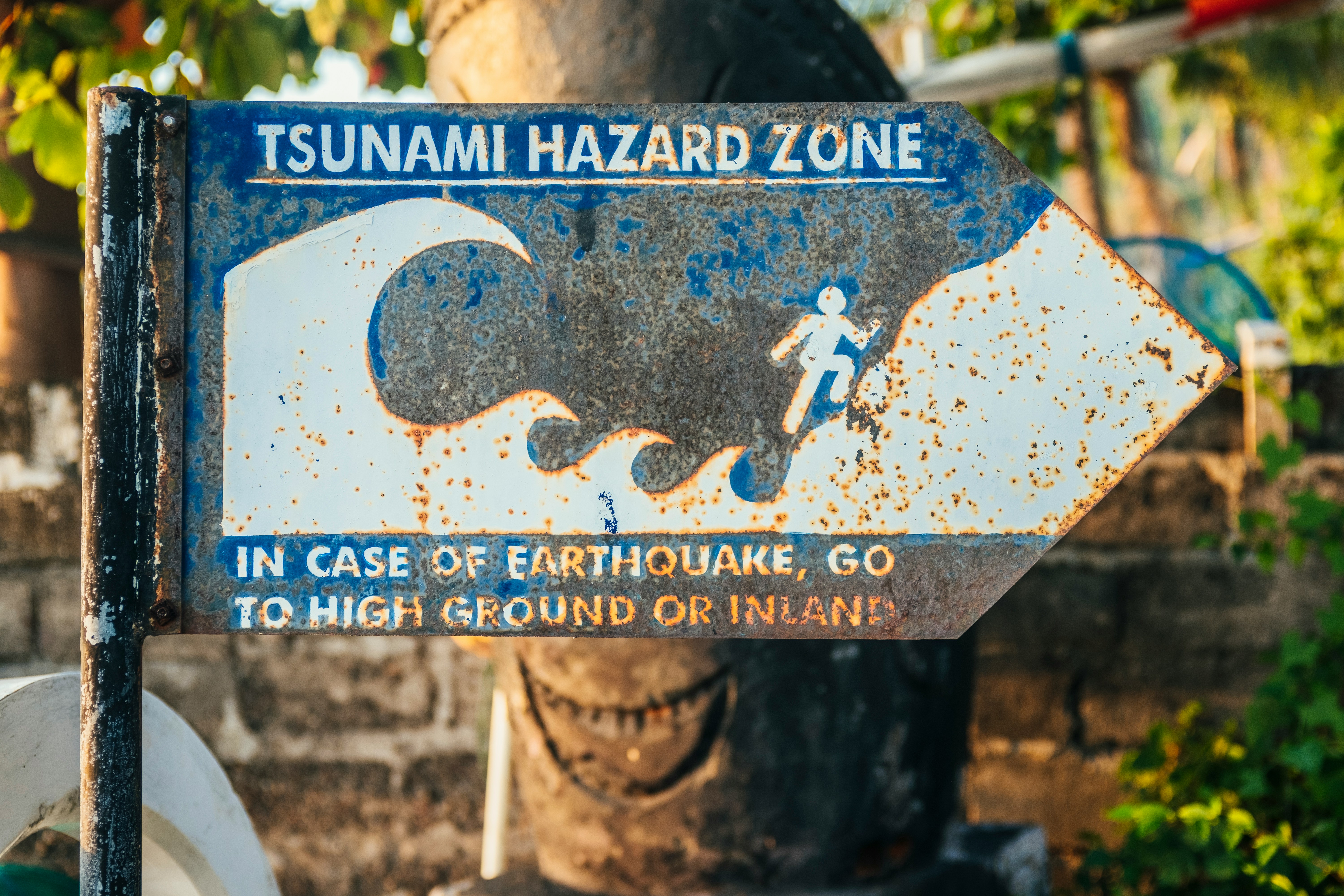
"Large eruptions of submarine volcanoes may create large and destructive tsunami – but it is difficult to know exactly what causes them and when they might occur.
We “listened to” the massive 2022 Hunga Volcano eruption in the Kingdom of Tonga using records of seismographs located around the Pacific Ocean hundreds to thousands of kilometres away from Hunga.
"While these stations recorded only muted normal seismic signals, by “tuning” to the right frequencies, we discovered a much stronger signal that represented sound travelling through the ocean.
"In particular, we noticed a massive sound signal that that extended in all directions from Hunga, easily reaching the Chatham Islands, 2600 km away. This loud underwater noise occurred around 90 minutes after the eruption had begun and about 45 minutes after the peak in eruption energy. It thus wasn’t generated by the eruption itself, but by the volcano collapsing in on itself to form a caldera.
"The caldera collapse generated the largest tsunami in Tonga during the Hunga eruption, killing three people and destroying all the resorts on the main populated island of Tongatapu as well as many villages near the coastline.
"By using these underwater sounds we have a potential chance to identify and warn for future volcanic tsunami caused by caldera collapse or submarine landslide. The key feature of the sound waves is that they travel at 1.5 km per second, which is over 7 times faster than tsunamis."

