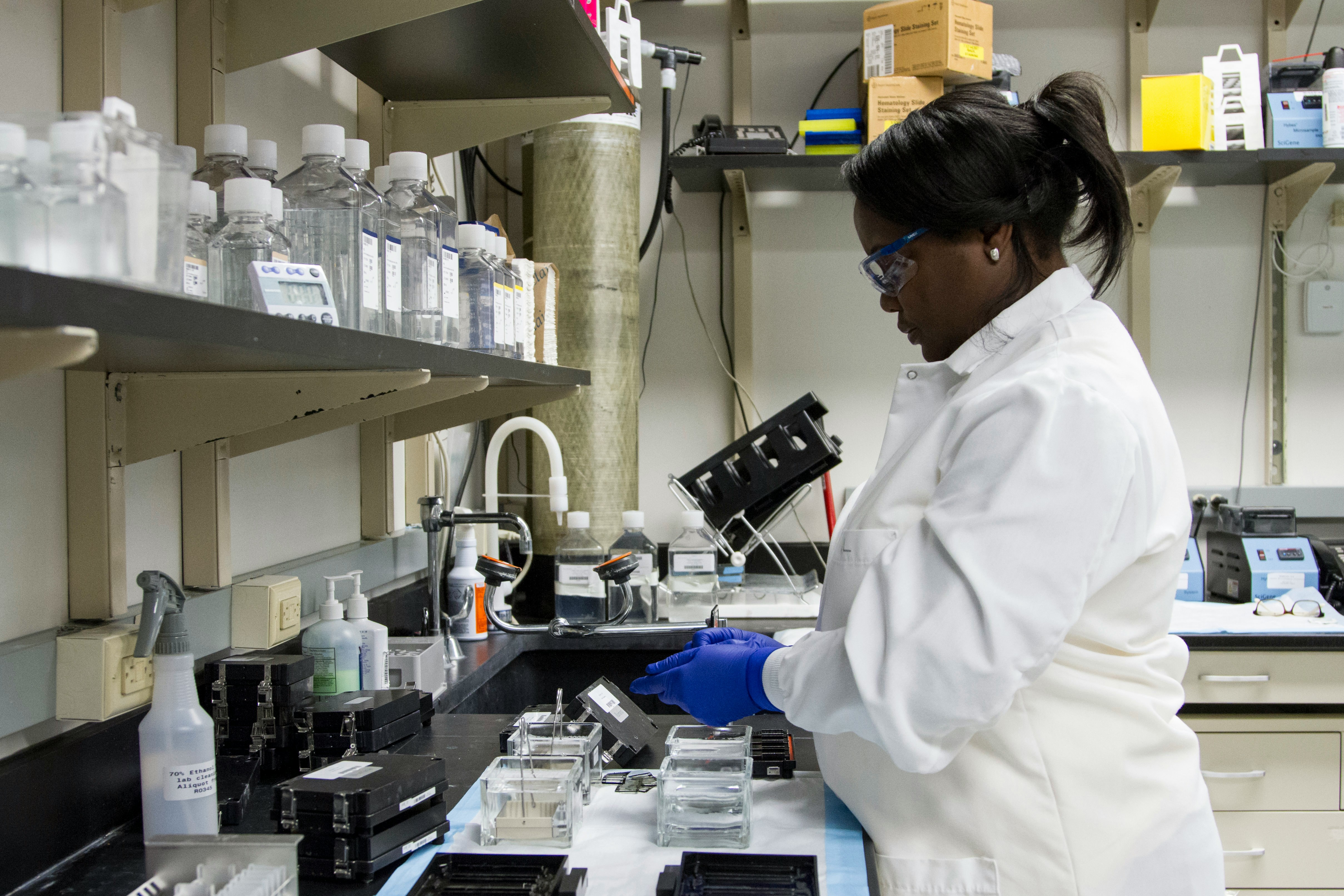
Underrepresentation of women in STEM has far-reaching consequences

Publicly released:
International
Photo by National Cancer Institute on Unsplash

The lower numbers of women in STEM careers worldwide has consequences beyond equity, argues an UK professor in a new paper. The author explains only Central Asia has equal numbers of male and female scientists, while only about 1 in 3 scientists in Europe and North America are women. She says toxic cultures, pay gaps, and stereotypes that discourage girls from pursuing science all likely play a part. The author explained this underrepresentation means problems affecting women may get overlooked. For example, the absence of women’s voices in STEM may contribute to bias in AI tools and underfunding of research on women’s health issues.

News release

From: The Royal Society

Education, Diversity and Progress

Around the world, many girls are denied even the most basic of educations. Yet all the evidence shows that education has good outcomes both for the individual and society. In countries where access to education is not an issue, there are still disparities in numbers in many of the STEM disciplines. This paper explores the consequences of this absence of women in areas such as AI and femtech.

Attachments

Note: Not all attachments are visible to the general public. Research URLs will go live after the embargo ends.

Research The Royal Society, Web page URL will go live after embargo ends.
Journal/
conference:
Royal Society Open Science
Research:Paper
Organisation/s: University of Cambridge, UK
Funder: No funding has been received for this article.
Media Contact/s
Contact details are only visible to registered journalists.