 Sign In



Attachments
Note: Not all attachments are visible to the general public. Research URLs will go live after the embargo ends.

 Australia; New Zealand; International; VIC
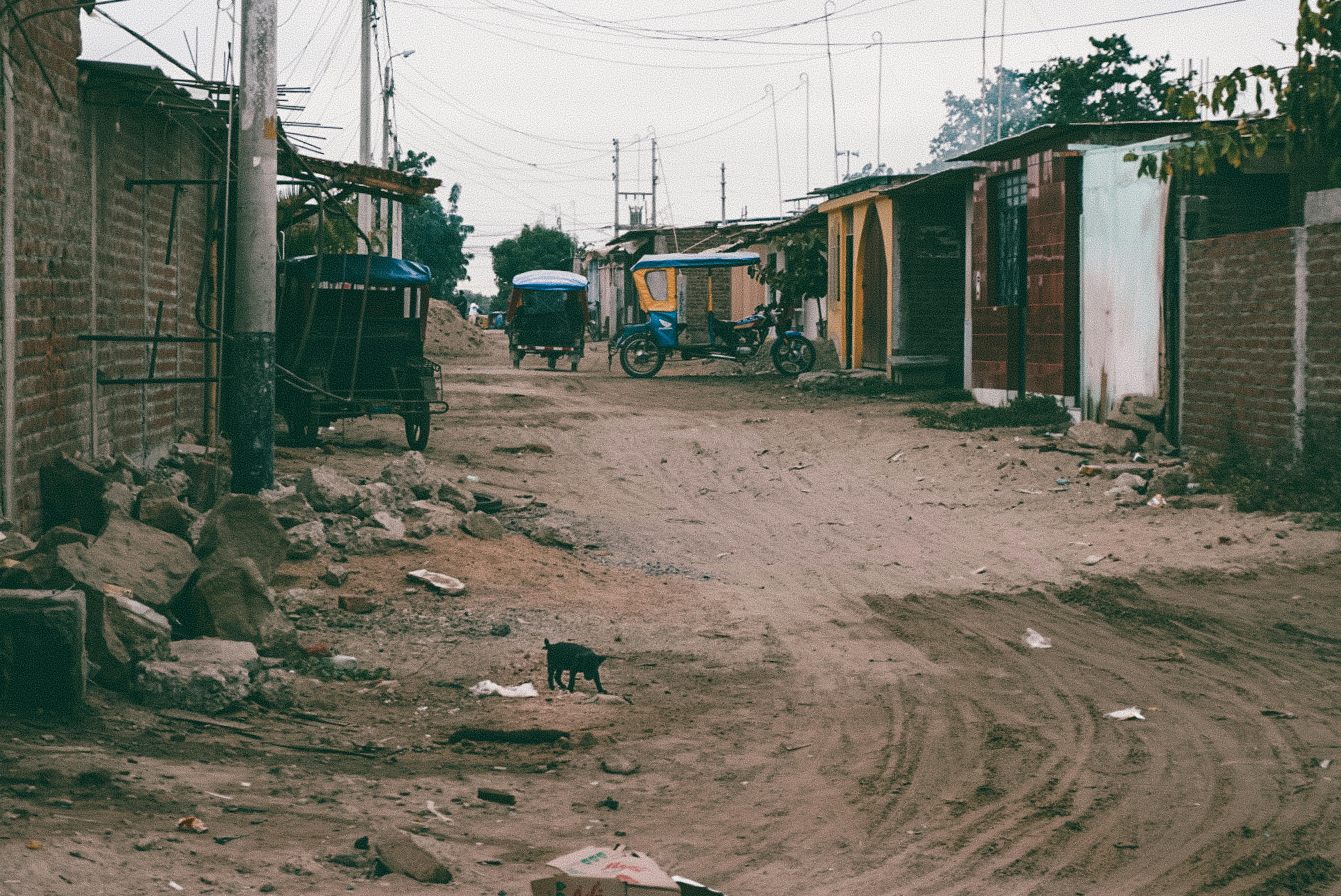
Humid heat that passes the theoretical limit of human survival is already being recorded in some areas of the world, and it is set to become frequent in the areas that are least prepared to handle it, according to Australian and international researchers. In a perspective piece, the researchers discuss how over a billion people globally are currently estimated to live in urban informal settlements - areas that fall outside formal planning and regulations and often lack reliable access to services including electricity, water and sanitation. The researchers say the number of people in these areas could as much as triple over the next 30 years, and many of these settlements are located in the areas most likely to experience unbearable humid heat under climate change. With houses unlikely to have air conditioning or good insulation and the risk of limited water access, the researchers say it is important to better understand the experiences of people in these areas when it gets hot to begin addressing a major growing threat to human life.
Note: Not all attachments are visible to the general public. Research URLs will go live after the embargo ends.

