Turn all the lights up! Special lights on aircraft could prevent bird-aircraft collisions

Publicly released:
International
Image by Ted Erski from Pixabay

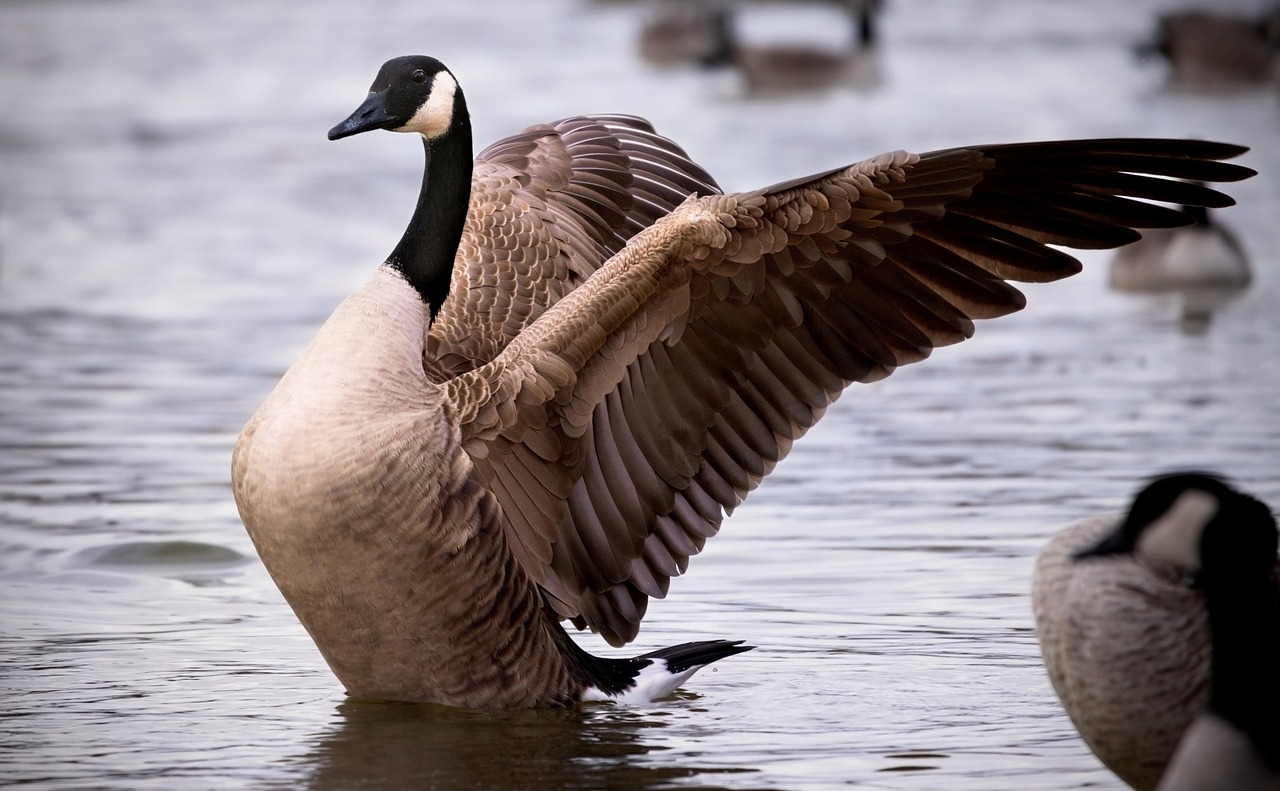
Tuning aircraft lights to the eyes of birds could help reduce the risk of collisions, according to international researchers. The team found that Canada geese, which are often involved in bird-aircraft collisions, were able to detect and escape from drones at greater distances when the drone was fitted with a bright blue light specifically tuned to the birds' eyes. The researchers suggest that species-specific lighting technology could help mitigate bird-aircraft collisions and may also be useful in preventing collisions with wind turbines, solar facilities, and buildings.

News release

From: The Royal Society

Light tuned to the avian eye elicits early detection and escape from an approaching aircraft

Royal Society Open Science

Bird-aircraft collisions can lead to human and bird mortality and cause substantial financial damage. One proposed solution to mitigate collisions is to equip aircraft with lights highly visible to the avian visual system. Herein, we conducted an experiment where we approached Canada geese, a species regularly involved in damaging collisions, with a drone equipped with a light onboard salient to the visual physiology of Canada geese. Approaches with the light on led to longer detection and escape distances, irrespective of changes in drone altitude. Our findings demonstrate the utility of developing species-specific lighting technology to not only mitigate bird-aircraft collisions, but also in preventing bird-collisions with wind turbines, solar facilities, and buildings.

Journal/
conference:
Royal Society Open Science
Research:Paper
Organisation/s: Purdue University, USA
Funder: This work was funded via the Cooperative Agreement with the U.S. Department of Agriculture, Animal and Plant Health Inspection Service, Wildlife Services (WS), National Wildlife Research Center (FAIN: AP22WSNWRC00C006), and based on funding received by WS via the Interagency Agreement with the U.S. Federal Aviation Administration (FAA Interagency No. 692M15-19-T-00017). Findings reported herein do not necessarily reflect the policy of AthAe For the USD
Media Contact/s
Contact details are only visible to registered journalists.