Treatment of NZ heart-rhythm patients varies by sex and ethnicity

Publicly released:
New Zealand
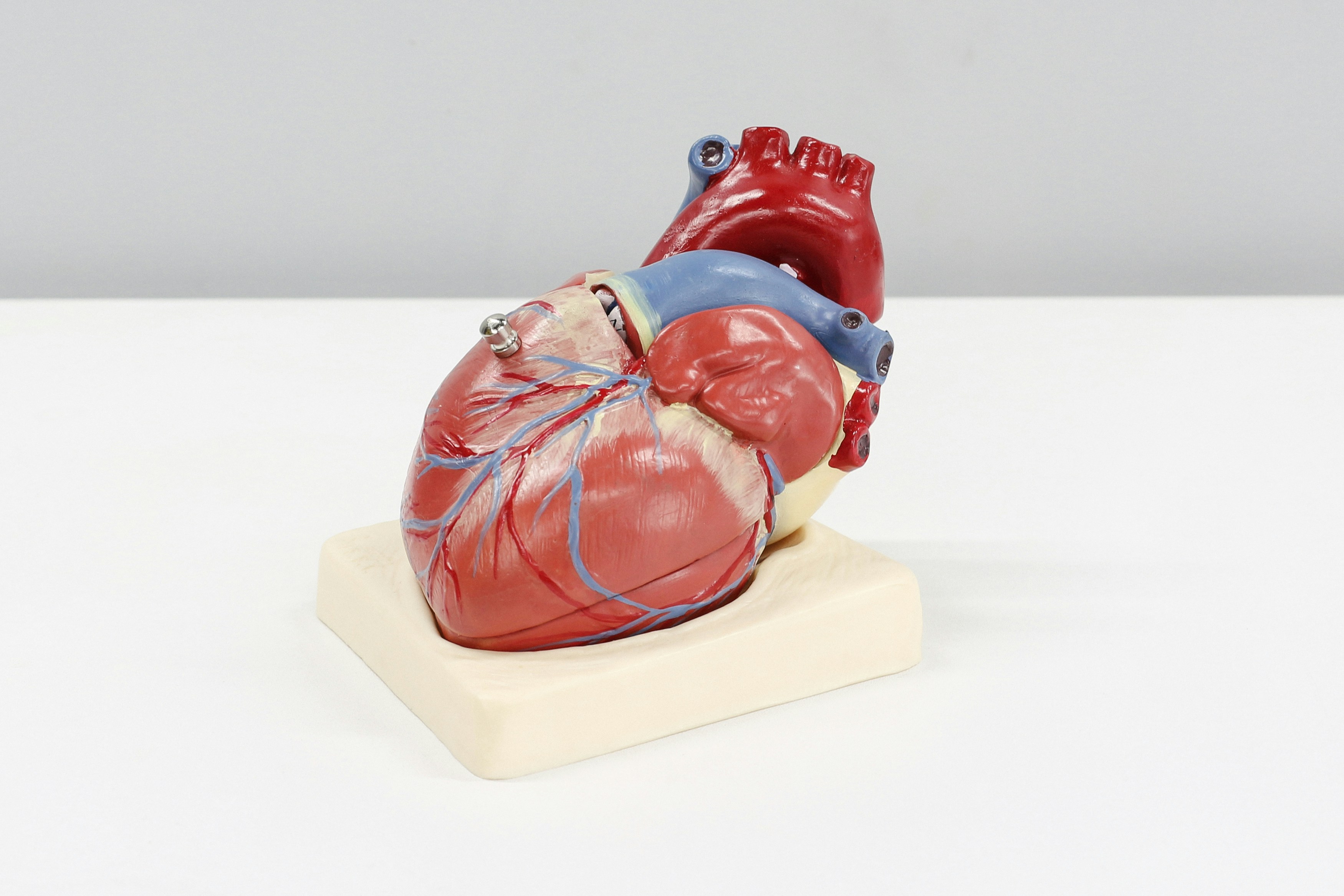
Photo by Ali Hajiluyi on Unsplash

White men with common heart-rhythm problems are roughly twice as likely as women, and men of other ethnicities, to get treatment to bring their heart rhythm back to normal, an NZ study shows. Researchers looked at nearly 2000 Auckland-based patients with atrial fibrillation or atrial flutter to see which of them received the electric shock or heat/cold treatments which have been shown to improve survival. Like in other countries, the researchers said that these treatments seemed to be ‘selectively applied’ between sexes and ethnicities in NZ, even after accounting for other factors, and that this might be due to inequitable care and access.

News release

From: New Zealand Medical Journal (NZMJ)

Variation in the use of electrical cardioversion and catheter ablation for atrial fibrillation/flutter according to sex and ethnicity in Aotearoa New Zealand

This study looked at how patients with atrial fibrillation or atrial flutter (common heart-rhythm problems that increase the risk of stroke), are treated in routine clinical practice. We found that patients were more likely to receive procedures to restore a normal heart rhythm if they were younger, male and had fewer other health conditions. We also found that Māori, Pacific peoples and other non-European groups were less likely to receive these procedures compared with European patients, even after accounting for differences in health. Among those who did receive treatment, there were no differences in the type of procedure used between groups. These findings suggest that differences in access to care may influence how patients are treated and highlight the need to better understand and address potential inequities.

Journal/
conference:
New Zealand Medical Journal
Organisation/s: AUT University, Auckland City Hospital, Middlemore Hospital
Funder: KMM received a Health Research Council of New Zealand grant as part of his doctoral studies for this research. The other authors did not receive any financial support for the research, authorship, and/or publication of this article.
Media Contact/s
Contact details are only visible to registered journalists.