 Sign In



 International
News release
From:
Female patients with traumatic brain injury less likely to be admitted to trauma centres
Female patients with traumatic brain injury (TBI) are 26% less likely to be admitted to a specialized trauma centre than males, according to a study on data from Ontario published in CMAJ (Canadian Medical Association Journal). This difference persisted even after the researchers accounted for factors such as age, severity of injury, other health conditions, and socioeconomic circumstances.
Traumatic brain injuries, often from falls, are the leading cause of trauma-related death and disability globally.
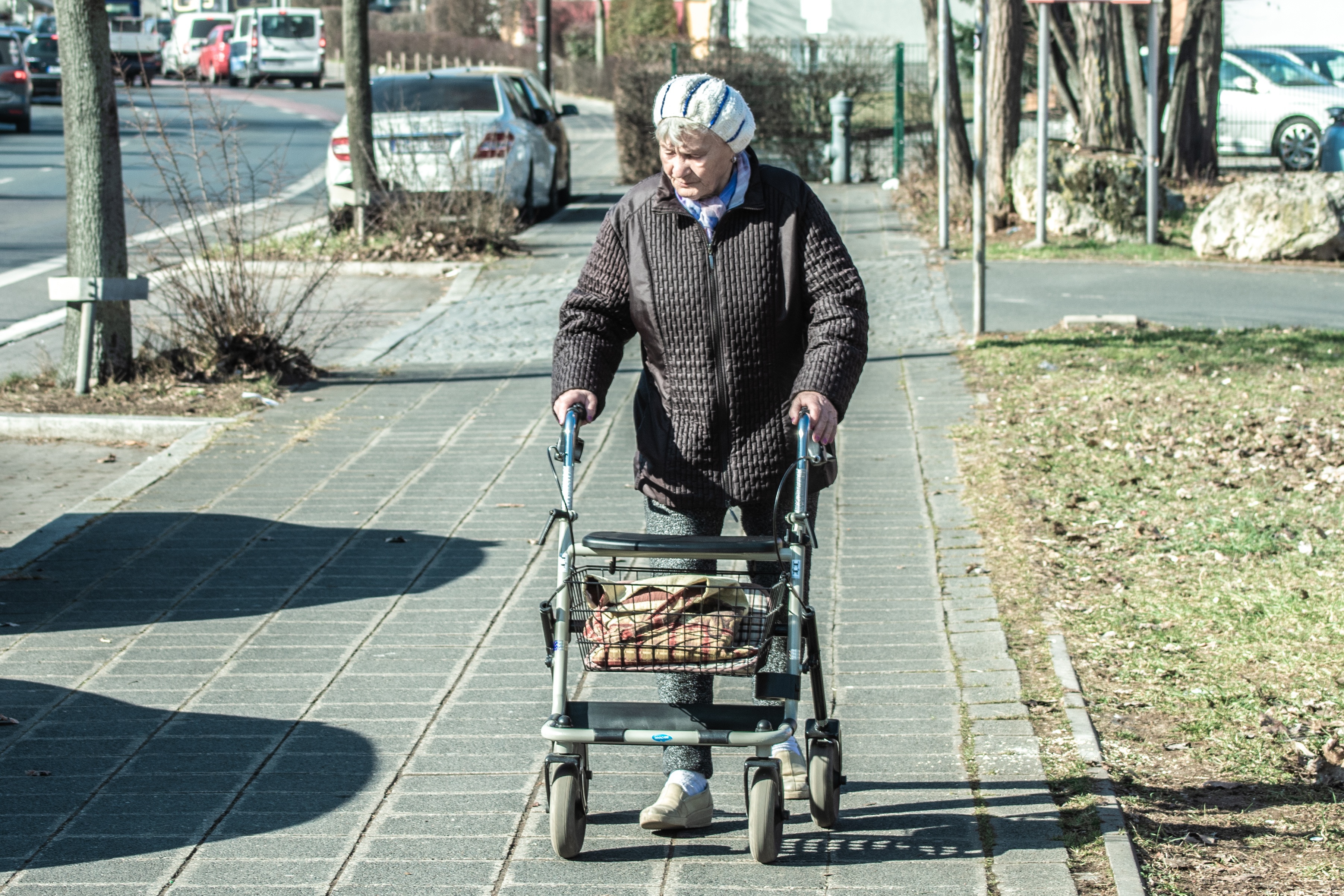
In this study based on ICES data of 55 606 patients admitted to hospital for TBI in Ontario between April 2009 and March 2020, 39% (21 719) were female. From this total, 18 650 patients were admitted to a specialized trauma centre, with 26% (5666) of females and 38% (12 984) of males admitted. Female patients were much older (median age 78 years) than males (median age 67 years) and were more likely to have dementia and hypertension. By contrast, male patients had higher rates of severe head trauma (33%) than females (25%).
Several factors may contribute to these variations in admission rates.
“First, injuries in female patients are more often associated with lower-energy mechanisms, such as ground-level falls, that may attract less attention and may lead to lower prehospital priority,” writes Dr. Natalia Angeloni, a critical care physician at Sunnybrook Health Sciences Centre and PhD student at the University of Toronto, Toronto, Ontario, with coauthors. “Second, unconscious (implicit) sex-related bias may contribute to differential recognition of severity of injury.”
As well, smaller numbers of female patients with TBI in research studies may contribute to a narrow understanding of the way trauma presents in females.
The authors suggest more research is needed to understand sex-based discrepancies in trauma care.
“In Ontario, triage performance is suboptimal, with high rates of both overtriage and undertriage, suggesting variability in decision-making, even when standardized guidelines are in place,” say the authors. “Understanding how this variability interacts with sex and gender is critical. The role, if any, of conscious and unconscious bias in clinical decision-making in care of patients with TBI should be explored, as has been done for other clinical conditions; results should guide targeted interventions to reduce the disparities we have identified.”
“Differences in admission to trauma centres by sex among adults with traumatic brain injury: a population-based cohort study” is published June 15, 2026.
Attachments
Note: Not all attachments are visible to the general public. Research URLs will go live after the embargo ends.


