 Sign In



Attachments
Note: Not all attachments are visible to the general public. Research URLs will go live after the embargo ends.

 International
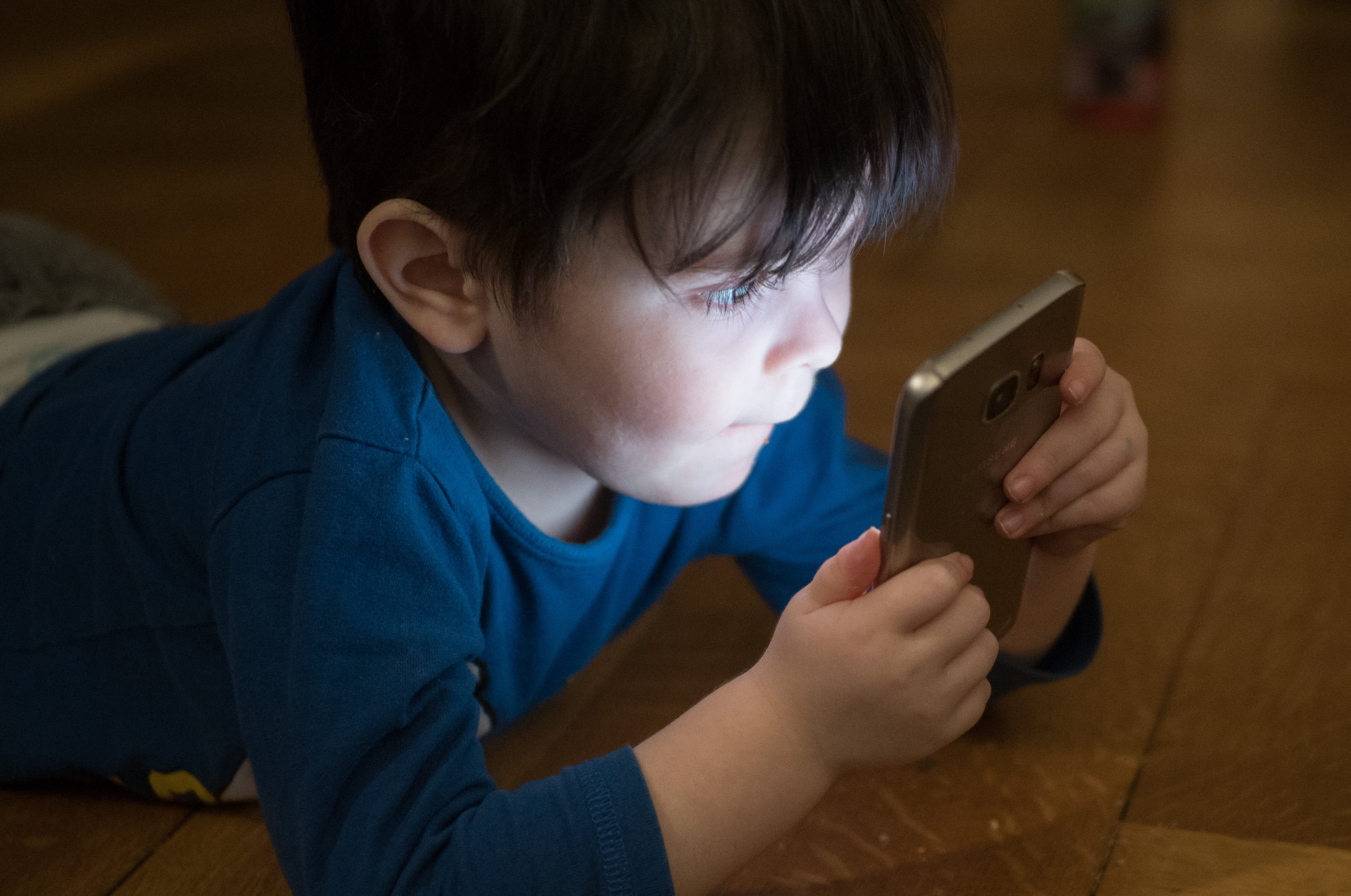
Two hours or more of screen time per day may contribute to an increased risk of cognitive and behavioural problems at age six to seven in extremely premature children, according to US scientists. They looked at 414 kids who were born extremely prematurely, and found screen time of two hours or more per day was linked to an increased risk of these issues, even when other factors, such as socioeconomic status, were taken into account. Although this type of study cannot show that excess screen time actually caused the differences in thinking and behaviour the scientists observed, they suggest parents of extremely premature kids should be made aware of the potential risks of too much screen time.
Note: Not all attachments are visible to the general public. Research URLs will go live after the embargo ends.

