 Sign In



 International
News release
From:
ADHD on the brain
Human imaging study uses a large sample size and a new analytical approach to thoroughly examine the relationship between ADHD and the brain.
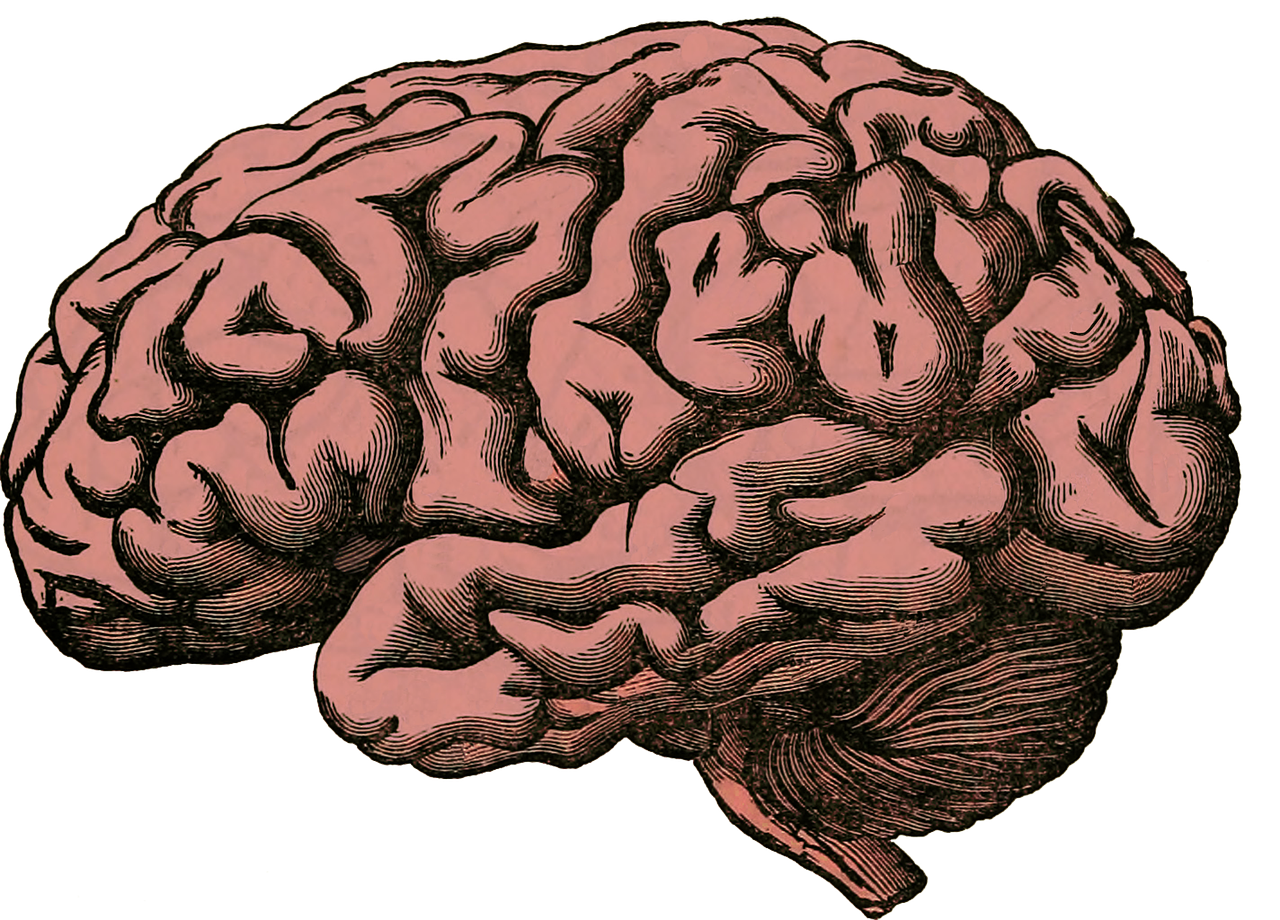
The way the neurons in your brain communicate with each other reveals a lot about how your brain functions and is representative of many of your behaviors. Aspects of neuron communication, or connectivity, can be observed by imaging the brain. Scientists have long been imaging the brains of those with neurological disorders to examine how brain structure and connectivity compare to those that do not have these disorders, and to determine if these attributes can predict neurological disorder onset. Human imaging studies related to attention-deficit/hyperactivity disorder (ADHD) are hindered by small experimental groups as well as inconsistent methods and results, which make it hard to draw conclusions. In this study, researchers addressed these issues. Michael Mooney and colleagues from Oregon Health and Science University developed a new way of analyzing imaging data covering broader areas of the brain than ever before and used it to examine imaging data from over 6,000 children. They found brain-wide connectivity patterns representative of patients with ADHD symptomology. Not only do their findings advance our understanding of ADHD-associated connectivity across the brain, but they may also inform imaging studies for other neurological disease states.
Attachments
Note: Not all attachments are visible to the general public. Research URLs will go live after the embargo ends.


