 Sign In



 International
News release
From:
Biology: Tropical butterfly species lives nearly three times as long as their relatives
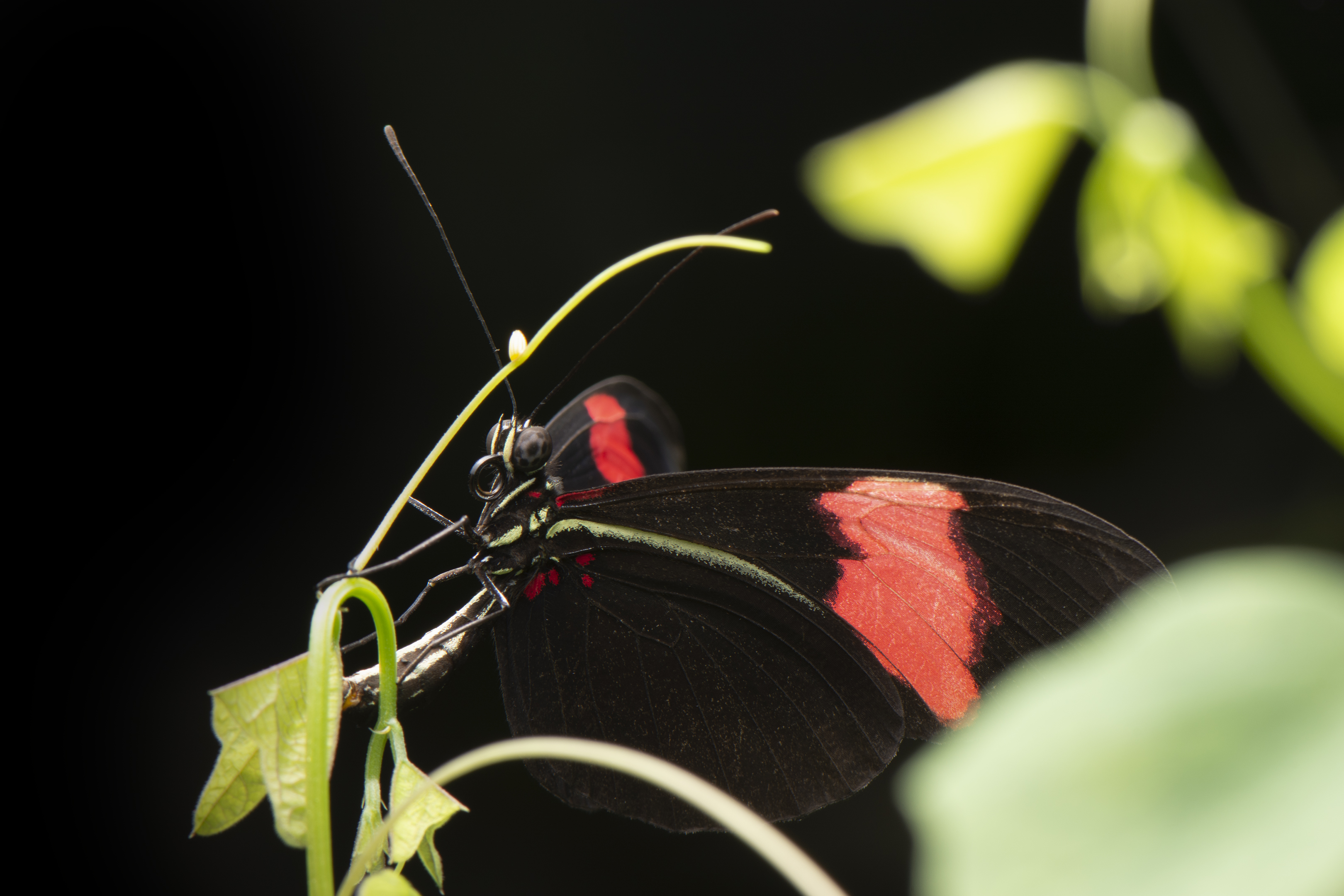
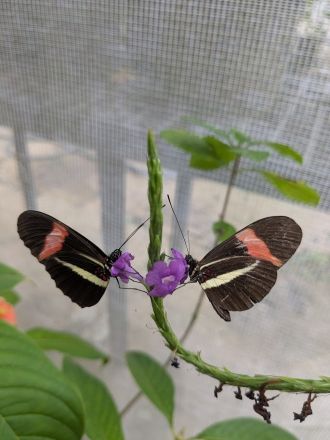
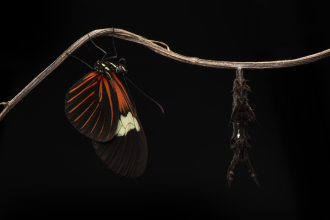
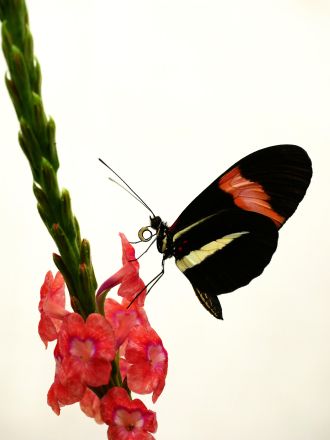
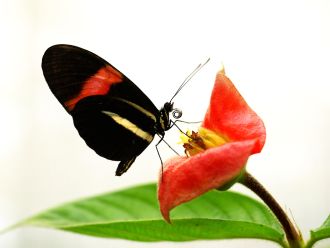
Butterflies in the Heliconius genus have evolved lifespans three times longer than their close relatives, with some living up to nearly one year, according to findings published in Nature Communications. They therefore represent some of the longest-living butterflies reported to date and could potentially represent a new model to study extended longevity.
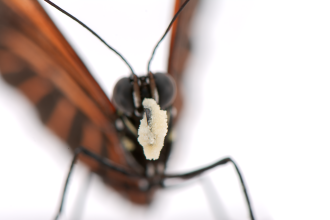
Butterflies in the Heliconius genus have some of the longest adult lifespans documented in butterflies, with some individuals observed to live for at least six months in the wild. This is substantially longer than their close relatives in the broader Heliconiini tribe, who have a lifespan of roughly six weeks. It has not been clear what contributes to their unique longevity, although it is thought that the retention of pollen-feeding behaviour in adulthood could play a role.
Jessica Foley and colleagues combined data from butterfly houses, mark‑release‑recapture studies, and controlled insectary experiments to compare lifespan and ageing across the Heliconiini. A 25-fold variation in maximum life span was observed across the Heliconiini tribe, ranging from 14 days in Dione juno to 348 days in Heliconius hewitsoni (one of the longest-lived butterflies recorded), with a mean average lifespan of roughly 177 days. Overall, Heliconius showed prolonged median and maximum lifespans, reduced baseline mortality, and slower rates of ageing compared with non‑pollen‑feeding relatives. The authors then investigated the effect of diet on longevity using a representative pollen-feeding species (Heliconius hecale) and non-pollen-feeding species (Dryas iulia). H. hecale individuals were shown to maintain body mass and muscle function for longer and an absence of the age‑related physiological decline observed in D. iulia. However, H. hecale was shown to retain an overall longevity advantage over D. iulia even without access to dietary pollen, suggesting that both nutritional and evolved factors underpin its extended lifespan.
The findings highlight Heliconius butterflies as a potential model for exploring how ecological shifts — such as the evolution of adult pollen‑feeding — may contribute to longer life. However, future work is needed to address limitations and refine understanding of how these butterflies achieve extended lifespans and delayed ageing.
Multimedia

Attachments
Note: Not all attachments are visible to the general public. Research URLs will go live after the embargo ends.


