 Sign In



 International
News release
From:
A third dose of COVID-19 vaccine increased antibody levels in organ transplant recipients with a suboptimal response following standard 2-dose vaccination
Study is the first to report on response to a third vaccine dose
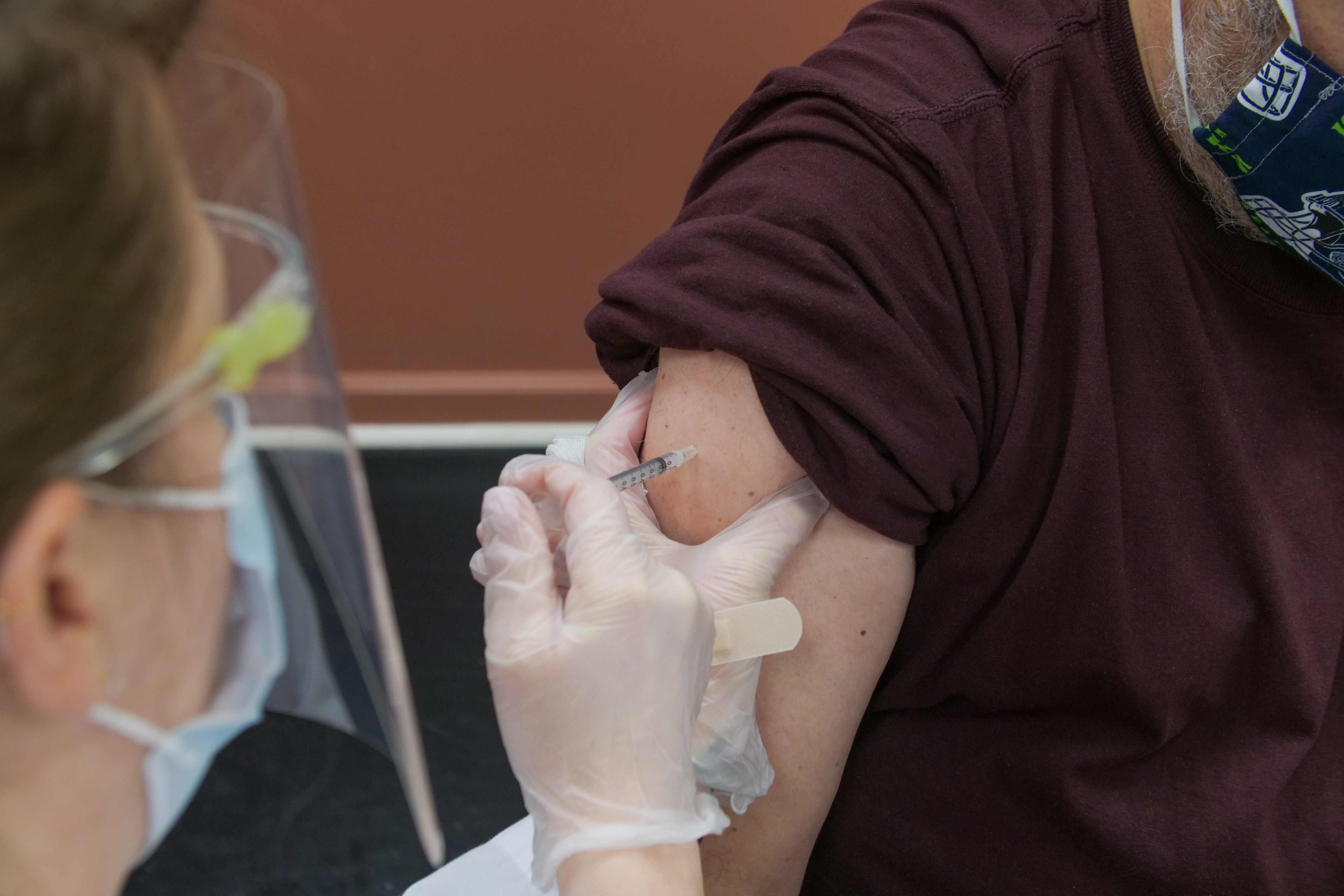
A case series published in Annals of Internal Medicine found that a third dose of vaccine increased antibody levels in organ transplant recipients who had suboptimal response to standard vaccination. These findings suggest that clinical trials are warranted to determine whether booster doses should be incorporated into clinical practice for transplant patients, just as they have been for hepatitis B and influenza vaccinations. This is the first study to report on response to a third vaccine dose.
The antibody response after 2 doses of an mRNA vaccine against the SARS-CoV-2 virus is excellent in the general population, yet the antibody responses in transplant recipients may be markedly attenuated. In addition, reports of COVID-19 breakthrough infections in vaccinated transplant recipients have prompted interest in administering additional doses of vaccine.
Researchers from Johns Hopkins University School of Medicine studied 30 organ transplant recipients who received a third dose of COVID-19 vaccine to describe antibody responses and vaccine reactions after the booster. They found that a third of the patients who had negative antibody levels and all patients who had low levels of antibody before the booster increased their antibody levels after the third dose of vaccine. Self-reported reactions to the booster were relatively minor, including injection site reactions, fever, chills, headache, myalgia, and diarrhea. The authors could not say for sure whether one case of mild rejection was related to the vaccine, but conclude that the benefits of vaccination likely outweigh the cons. Also, this study was examined only antibody levels and future studies are needed to show if those antibody levels were associated with lower infection rates in those who received a third vaccine dose.
Attachments
Note: Not all attachments are visible to the general public. Research URLs will go live after the embargo ends.


