 Sign In



 International
News release
From:
Synchrotron data reveal nautiloid-characters in Pohlsepia mazonensis, refuting a Palaeozoic origin for octobrachians
A 300-million-year-old fossil once hailed as the world's oldest octopus—even featured in the Guinness Book of Records—has been dramatically reclassified. Using advanced synchrotron imaging to look inside the fossil, researchers discovered that Pohlsepia mazonensis is actually related to modern Nautilus, not octopuses. The organism had decayed significantly before fossilization, obscuring its true identity for decades. The finding resolves a long-standing puzzle in octopus evolution and reveals the oldest preserved nautiloid soft tissue ever found.
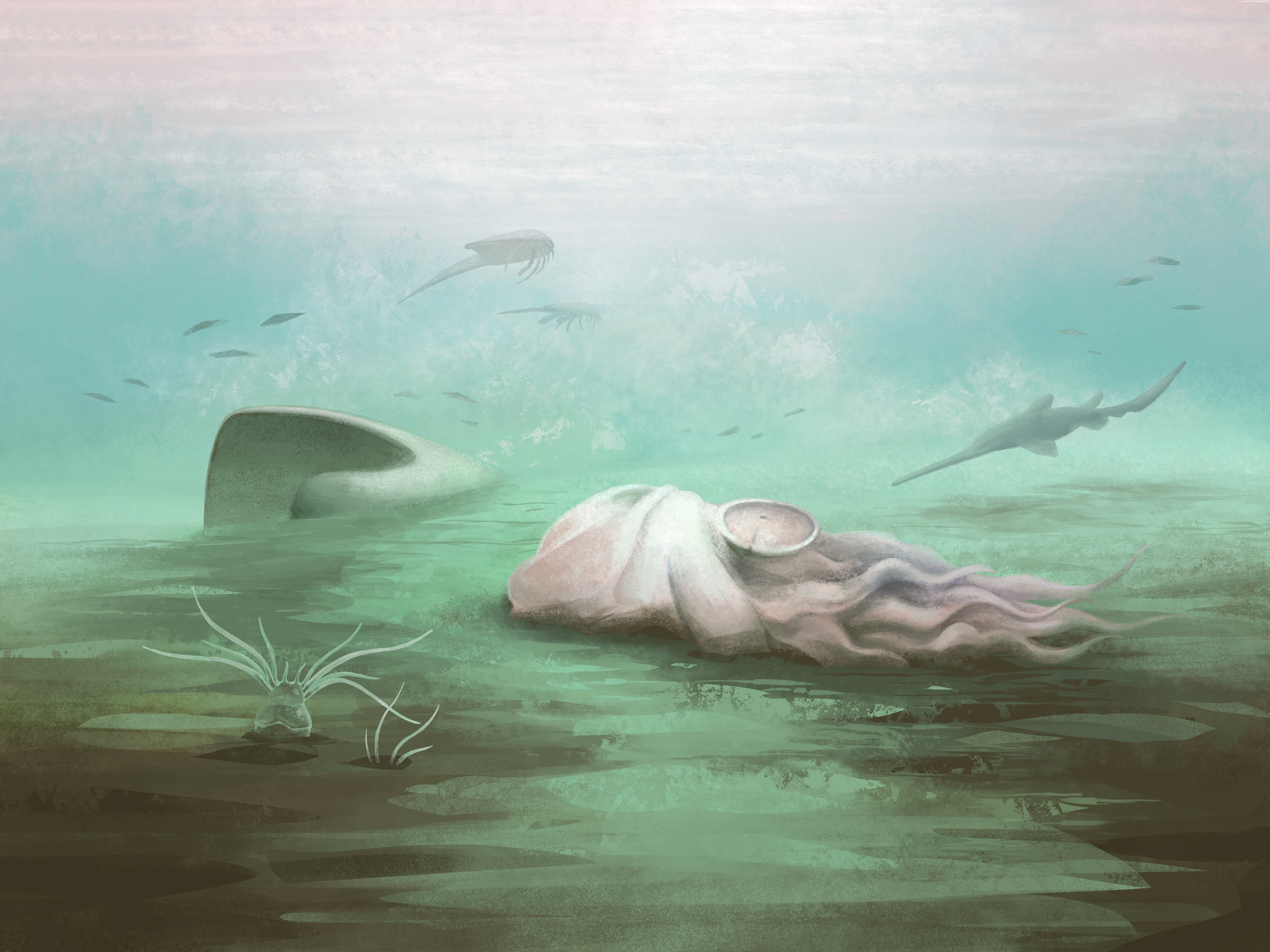
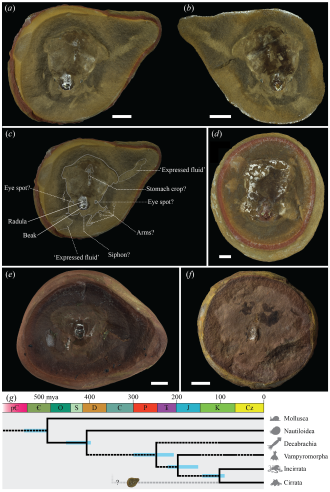
Noctopus - The 300-million-year-old fossil featured in the Guinness Book of Records as the world's oldest octopus has been dramatically reclassified. Using synchrotron imaging to produce 3D images of the fossil, researchers found a previously undetected radula – the toothed tongue found in most molluscs. The shape of the radula suggests the fossil belongs to the shelled nautiloids. The finding resolves a long-standing puzzle in octopus evolution and reveals the oldest preserved nautiloid soft tissue ever found.*Noctopus - The 300-million-year-old fossil featured in the Guinness Book of Records as the world's oldest octopus has been dramatically reclassified. Using synchrotron imaging to produce 3D images of the fossil, researchers found a previously undetected radula – the toothed tongue found in most molluscs. The shape of the radula suggests the fossil belongs to the shelled nautiloids. The finding resolves a long-standing puzzle in octopus evolution and reveals the oldest preserved nautiloid soft tissue ever found.
Multimedia


Attachments
Note: Not all attachments are visible to the general public. Research URLs will go live after the embargo ends.


