The standard sports concussion tool should be adapted for Aboriginal and Torres Strait Islander people

Publicly released:
Australia; QLD; WA
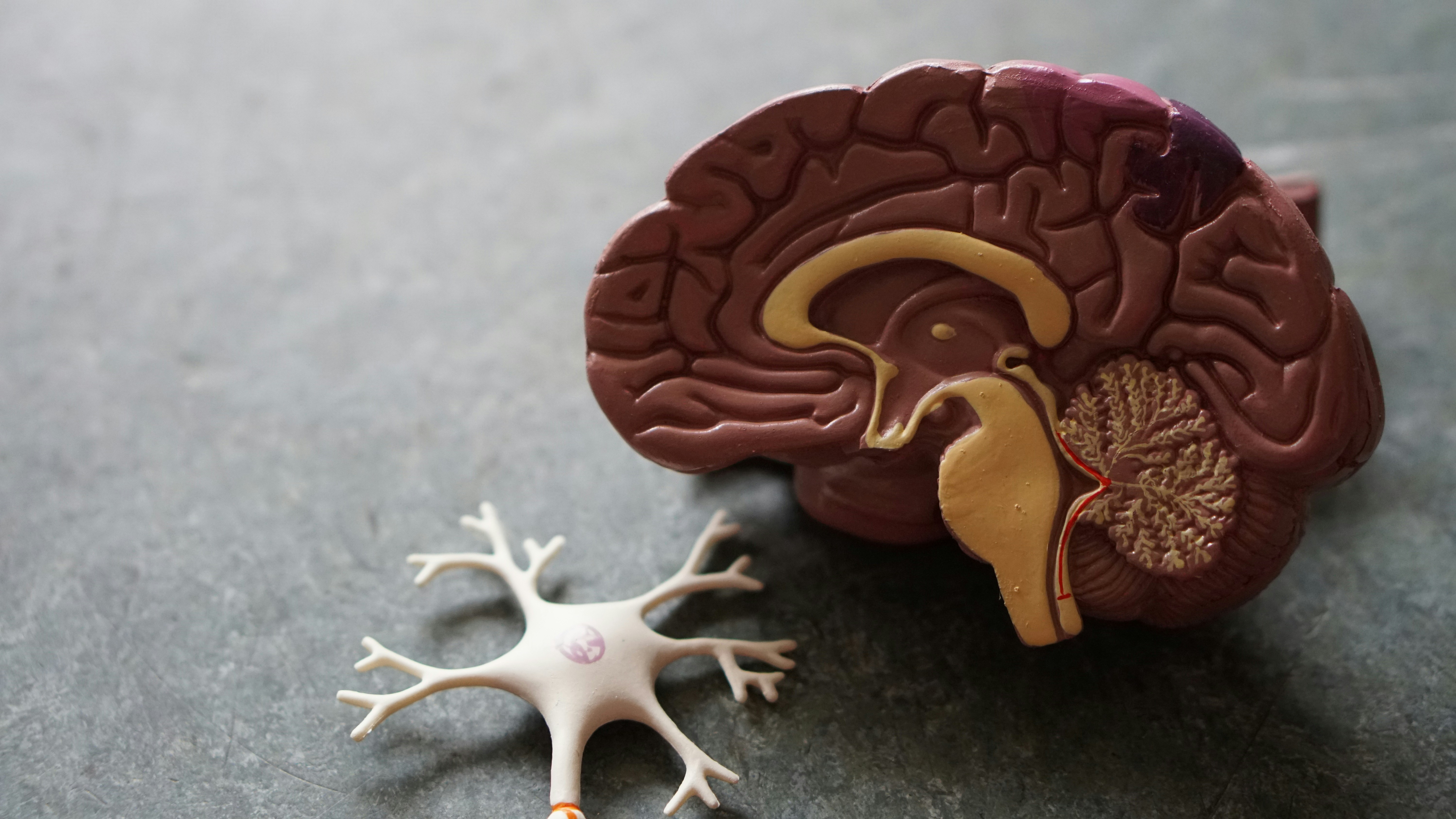
Photo by Robina Weermeijer on Unsplash

A standard tool, used across sports to assess concussion, uses medical jargon, inconsistent terms, and relies on written instructions, raising concerns about the tool’s cultural suitability for Aboriginal and Torres Strait Islander peoples, according to Australian research. Through semi-structured yarns, community members in Perth highlighted the use of outdated or culturally irrelevant words such as ‘wagon’ and ‘penny’, alongside potentially offensive terms such as 'monkey', in the screening tool used to assess cognition (SCAT5). They also highlighted challenges with medical terminology, reliance on written instructions and the importance of clear explanations and trust-building in clinical encounters. The authors say that, although the more updated version (SCAT6) introduces some improvements, the findings highlight the need to adapt concussion assessment tools for use with Aboriginal and Torres Strait Islander populations.

Attachments

Note: Not all attachments are visible to the general public. Research URLs will go live after the embargo ends.

Research CSIRO Publishing, Web page Please link to the article in online versions of your report (the URL will go live after the embargo ends).
Journal/
conference:
Brain Impairment
Research:Paper
Organisation/s: Curtin University, Griffith University
Funder: This work was supported by the Curtin Medical School, Curtin University, under the internal faculty seed-funding scheme, ‘Internal Curtin Medical School Research Funding Round 2021’, awarded to Dr Gill Cowen
Media Contact/s
Contact details are only visible to registered journalists.