The reviews are in: no good evidence of health risks from radio waves

Publicly released:
Australia; New Zealand
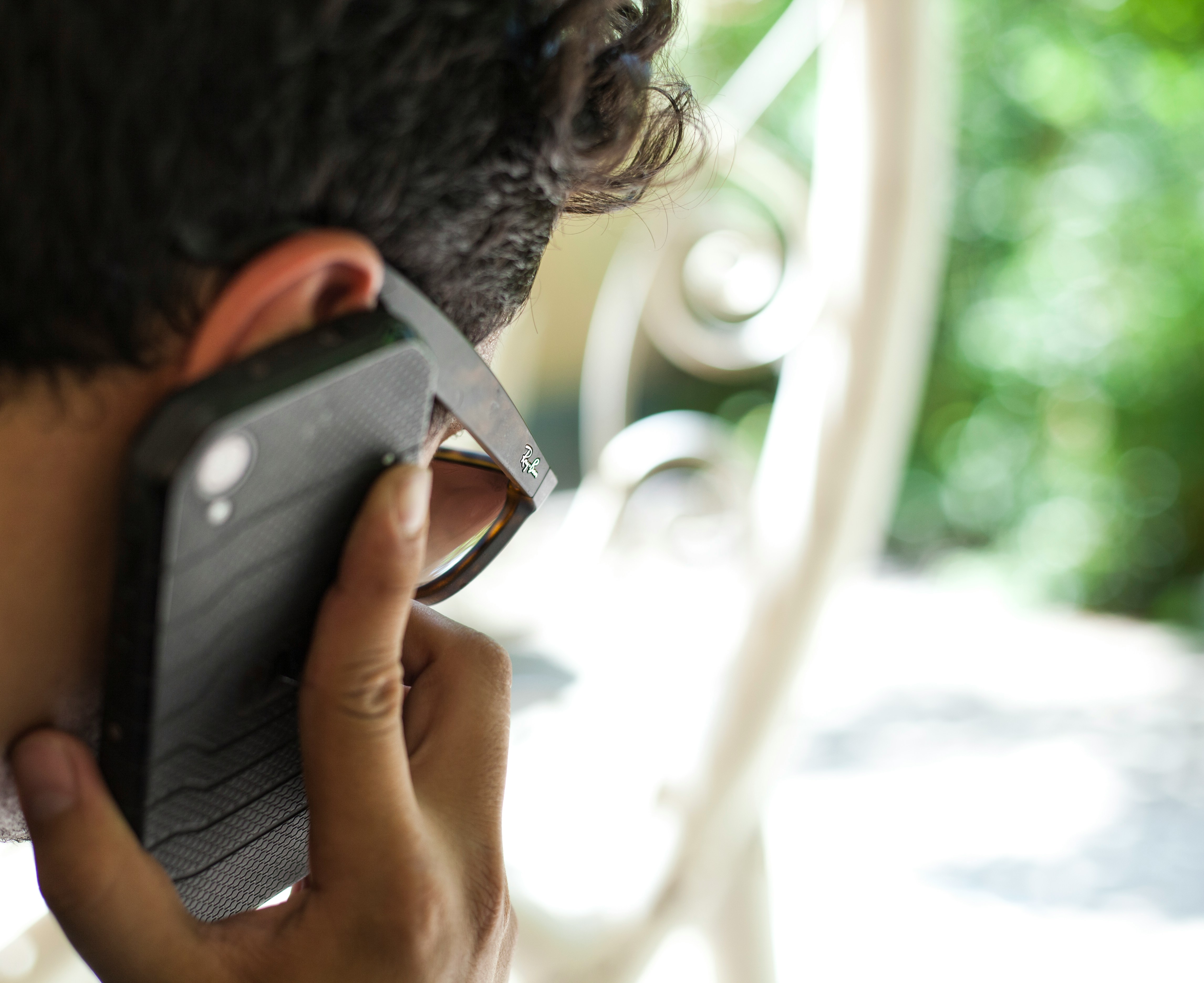
Photo by Shoeib Abolhassani on Unsplash

For years, people have worried about health risks from electromagnetic fields used for communication, like cellphones or radio and TV broadcasting. A new NZMJ article looks at evidence from 13 big reviews of relevant research - including experiments on volunteers and studies on brain cancer - sponsored by the World Health Organisation. The reviews found no links to health except in animal studies, which may not be relevant to humans, or human studies with very low confidence. However, they did find information was too limited on some topics to allow firm conclusions, and the study authors note that no science can "prove" the absence of any risk.

News release

From: Pasifika Medical Association Group

Radiofrequencies are the range of electromagnetic fields used for communications, such as mobile phones and radio and television broadcasting. There have been health concerns for many years, especially about whether the use of mobile phones would increase the risk of brain cancer. The World Health Organization has sponsored 13 extensive reviews of all the scientific studies on health effects. The studies of people show no good evidence of health risks—for example, no increases in cancer. However, many of the studies are limited, making it difficult to confirm the absence of risk. Some animal experimental studies show increases in certain types of cancer in rats, and some effects on pregnancy outcomes and fertility; however, as no effects have been shown in humans these results may not apply to people. These reviews will be used in recommending any changes in safety standards.

Journal/
conference:
New Zealand Medical Journal
Organisation/s: University of Auckland, Australian Radiation Protection and Nuclear Safety Agency (ARPANSA)
Funder: This work was in part supported by Health New Zealand – Te Whatu Ora. They were not involved in the preparation or publication of this paper.
Media Contact/s
Contact details are only visible to registered journalists.