 Sign In



 Australia; QLD
News release
From:
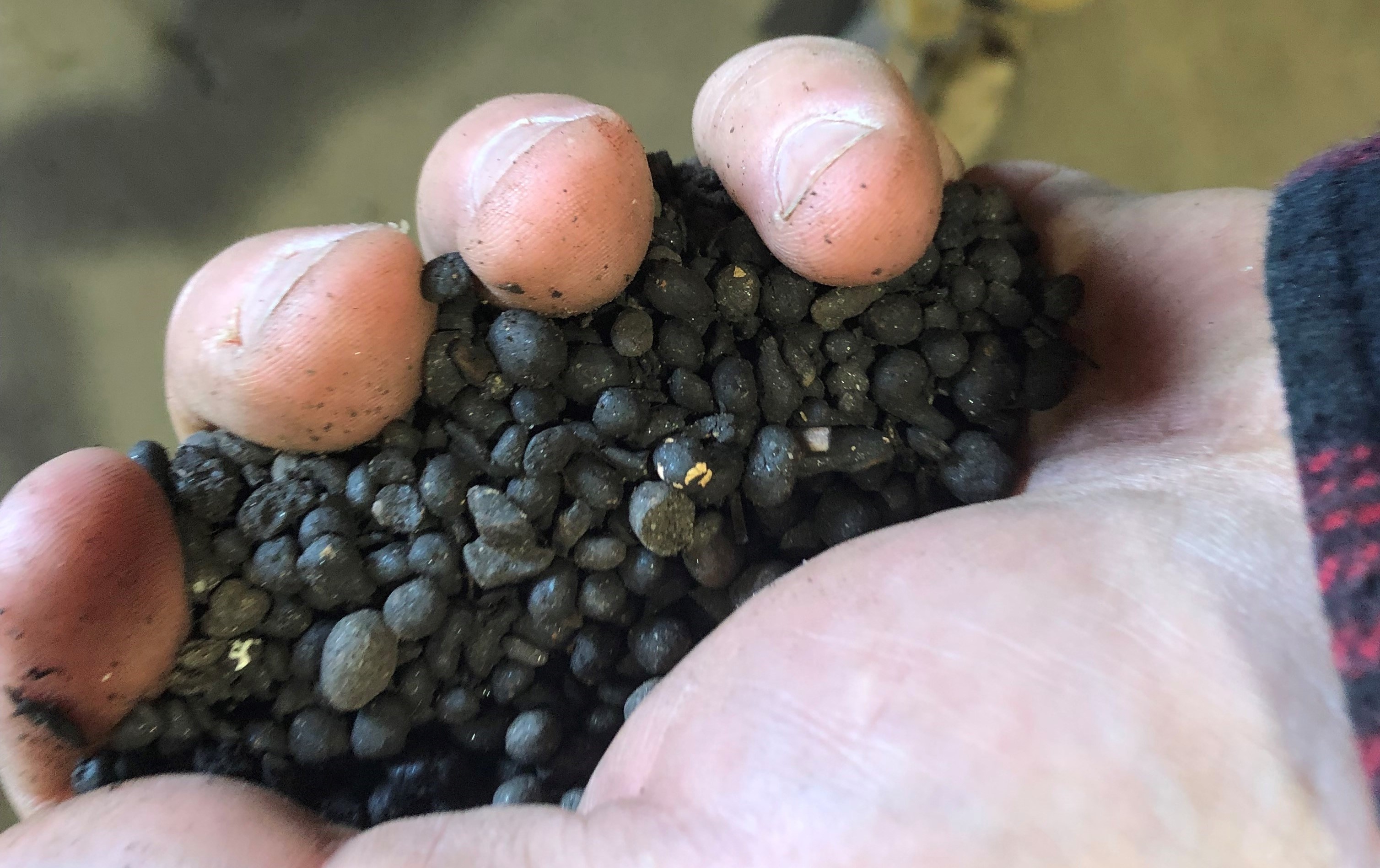
A new way of using compost could boost global crop production and deliver huge benefits to the planet, according to a study co-led by The University of Queensland.
Professor Susanne Schmidt from UQ’s School of Agriculture and Food Sciences said adopting a Precision Compost Strategy (PCS) in large-scale agriculture could improve crop yield, soil health and divert biowaste from landfill where it generates harmful greenhouse gases.
“Instead of relying just on mineral fertilisers, PCS involves supplementing the right type of compost with nutrients to match the needs of soils and crops,” Professor Schmidt said.
“Soils that have become compacted and acidic are then aerated and neutralised.
“The result is they can retain more water, facilitate root growth and nourish the organisms that keep soils and crops healthy.”
Professor Schmidt said soil plays a crucial role in ensuring global food security.
“But currently 30 per cent of the world’s agricultural soil is classified as degraded, with projections that this could rise to 90 per cent by 2050,” she said.
“Our research estimates PCS could boost the annual global production of major cereal crops by 96 million tonnes, or 4 per cent of current production.
“This has flow-on effects for consumers by addressing food shortages and price hikes.”
The study found applying PCS to large-scale agriculture could also help mitigate climate change.
“In Australia alone, more than 7 million tonnes of biowaste ends up in landfill every year where it generates huge amounts of avoidable greenhouse gases and other undesirable effects,” Professor Schmidt said.
“If we repurpose it, we can restore crucial carbon in cropland topsoil.
“There are cost benefits too - diverting just 15,000 tonnes of biowaste could save a local council as much as $2-3 million a year.”
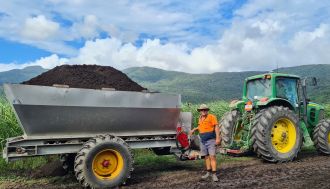
Far North Queensland sugarcane farmer Tony Rossi said his family's company V. Rossi & Sons had been using precision compost for seven years with great success.
“We’ve been able to almost halve our fertiliser use which is so much better for the environment, and our crop yield is the same,” Mr Rossi said.
More than 2,000 examples of compost use in the agricultural sector across the globe were analysed as part of the PCS study.
The research was supported by Fight Food Waste CRC and has been published in Nature Food.
Multimedia

Attachments
Note: Not all attachments are visible to the general public. Research URLs will go live after the embargo ends.


