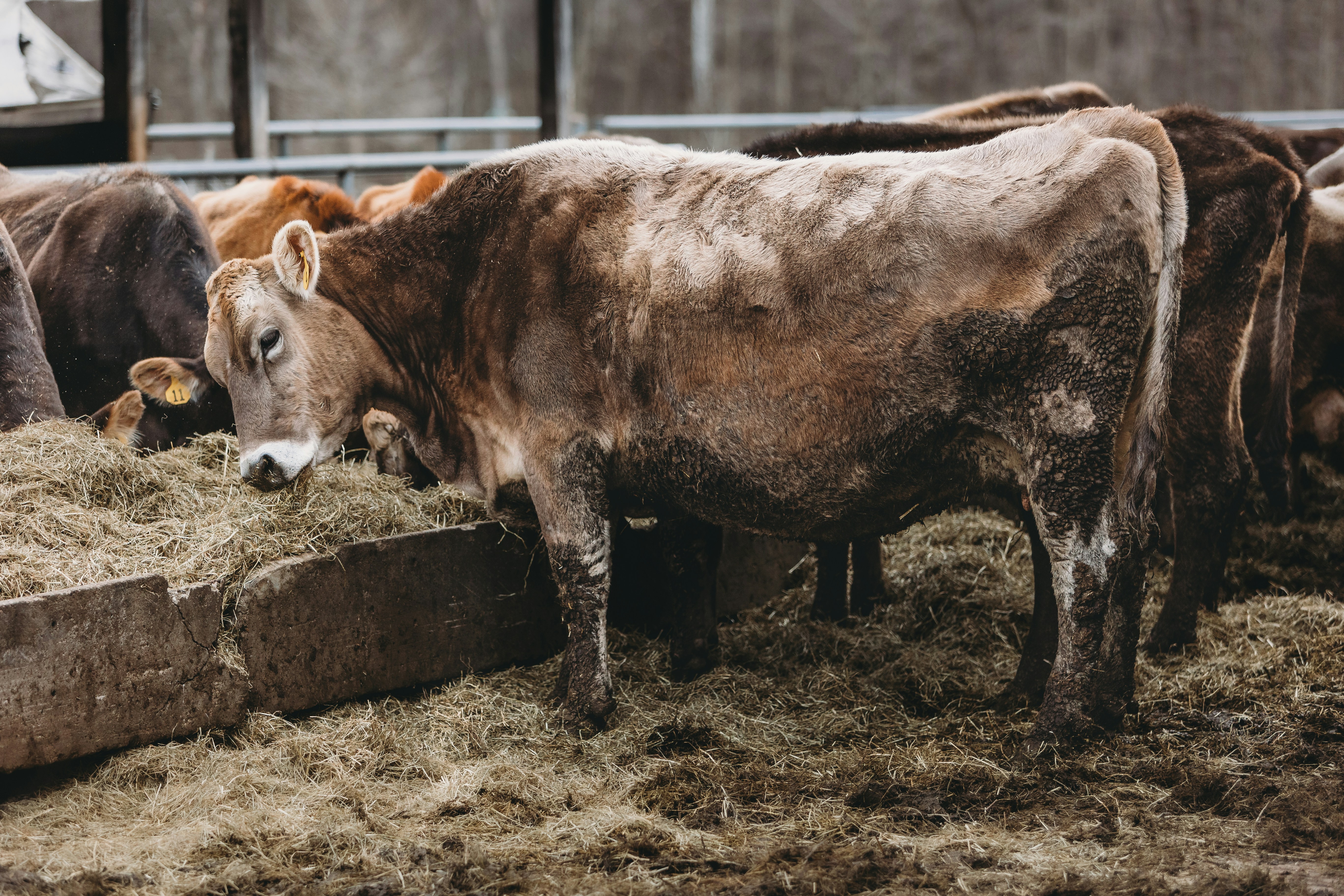
Tackling the extra environmental impact of cows and sheep during winter

Publicly released:
New Zealand
Photo by Steven Van Elk on Unsplash

Cows and sheep can have particularly high impacts on the environment during the winter, but there are ways to reduce these negative effects, says a DairyNZ-funded review. Livestock are often kept in smaller areas during winter to make sure they have enough food, the researchers explain. As they pee and poo in that concentrated area, their hooves compress the soil and this combines with increased rainfall to mean more nitrogen leeches into rivers and gets emitted as a greenhouse gas. However, the researchers recommend a whole-system approach that considers soil types, slopes, dietary nitrogen intake and planting of ‘catch crops’ to help the land recover after winter grazing.

Journal/
conference:
New Zealand Journal of Agricultural Research
Research:Paper
Organisation/s: Bioeconomy Science Institute
Funder: This work was supported by DairyNZ (Grant 2024-7688).
Media Contact/s
Contact details are only visible to registered journalists.