 Sign In



 International
News release
From:
Want to lose weight? Try eating the same meals on repeat
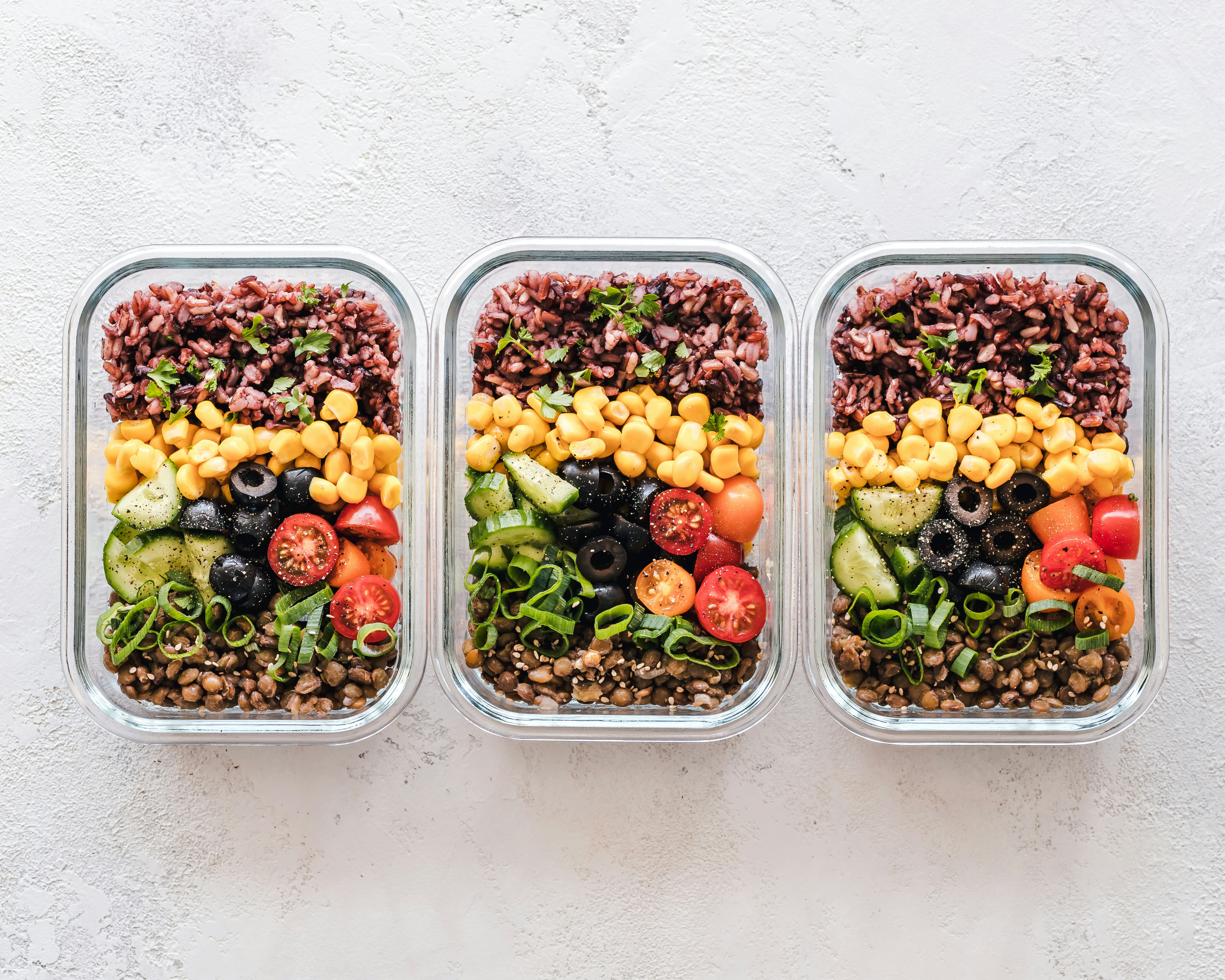
Sticking to the same meals and eating a consistent number of calories each day may help people lose more weight, according to research published by the American Psychological Association.
The study, published in the journal Health Psychology, found that adults who followed more routine eating patterns, such as repeating the same meals and keeping calorie intake steady over time, lost more weight during a 12-week behavioral weight loss program than those who ate a more varied diet.
“Maintaining a healthy diet in today’s food environment requires constant effort and self-control,” said lead author Charlotte Hagerman, PhD, of the Oregon Research Institute. “Creating routines around eating may reduce that burden and make healthy choices feel more automatic.”
Researchers analyzed detailed, real-time food logs from 112 overweight or obese adults who were enrolled in a structured behavioral weight loss program. Participants were asked to track everything they ate each day using a mobile app, along with daily weigh-ins using a wireless scale. To ensure the data reflected consistent habits, researchers focused on the first 12 weeks of the program — a period when participants are typically most engaged and accurate in tracking their food intake.
The researchers then measured how “routinized” each person’s diet was in two ways. First, they looked at caloric stability, or how much a person’s daily calorie intake fluctuated from day to day and between weekdays and weekends. Second, they examined dietary repetition, tracking how often participants logged the same meals and snacks over time, rather than constantly choosing new foods.
In the end, those who repeated many of the same foods rather than eating a wide variety lost an average of 5.9% of their body weight, compared with 4.3% among those whose diets were more varied. The study also found that greater day-to-day calorie consistency was linked to better results. For every 100-calorie increase in daily fluctuation, weight loss decreased by about 0.6% over the study period.
The findings suggest that simplifying food choices, such as creating a rotation of go-to meals and maintaining a steady calorie intake, may help people build sustainable habits in a challenging food environment. However, the researchers caution that the study shows a correlation, not cause and effect, and that factors like motivation or self-discipline may also play a role.
The authors also acknowledge that previous research has linked dietary variety with better health status. However, these studies have mostly focused on dietary variety within healthy food groups, like fruits and vegetables. “If we lived in a healthier food environment, we might encourage people to have as much variety in their diet as possible,” Hagerman said. “However, our modern food environment is too problematic. Instead, people may do best with a more repetitive diet that helps them consistently make healthier choices, even if they might sacrifice some nutritional variety.”
One unexpected finding of the study was that participants who logged higher calorie totals on weekends compared with weekdays also lost more weight. Hagerman said this most likely reflects stronger tracking habits rather than higher food intake, since people often are not as consistent with their tracking on weekends.
Still, says Hagerman, the takeaway is straightforward: when it comes to weight loss, consistency may matter more than variety.
Attachments
Note: Not all attachments are visible to the general public. Research URLs will go live after the embargo ends.


