 Sign In



 International
News release
From:
A heritable “brake” for stopping cocaine use in rats
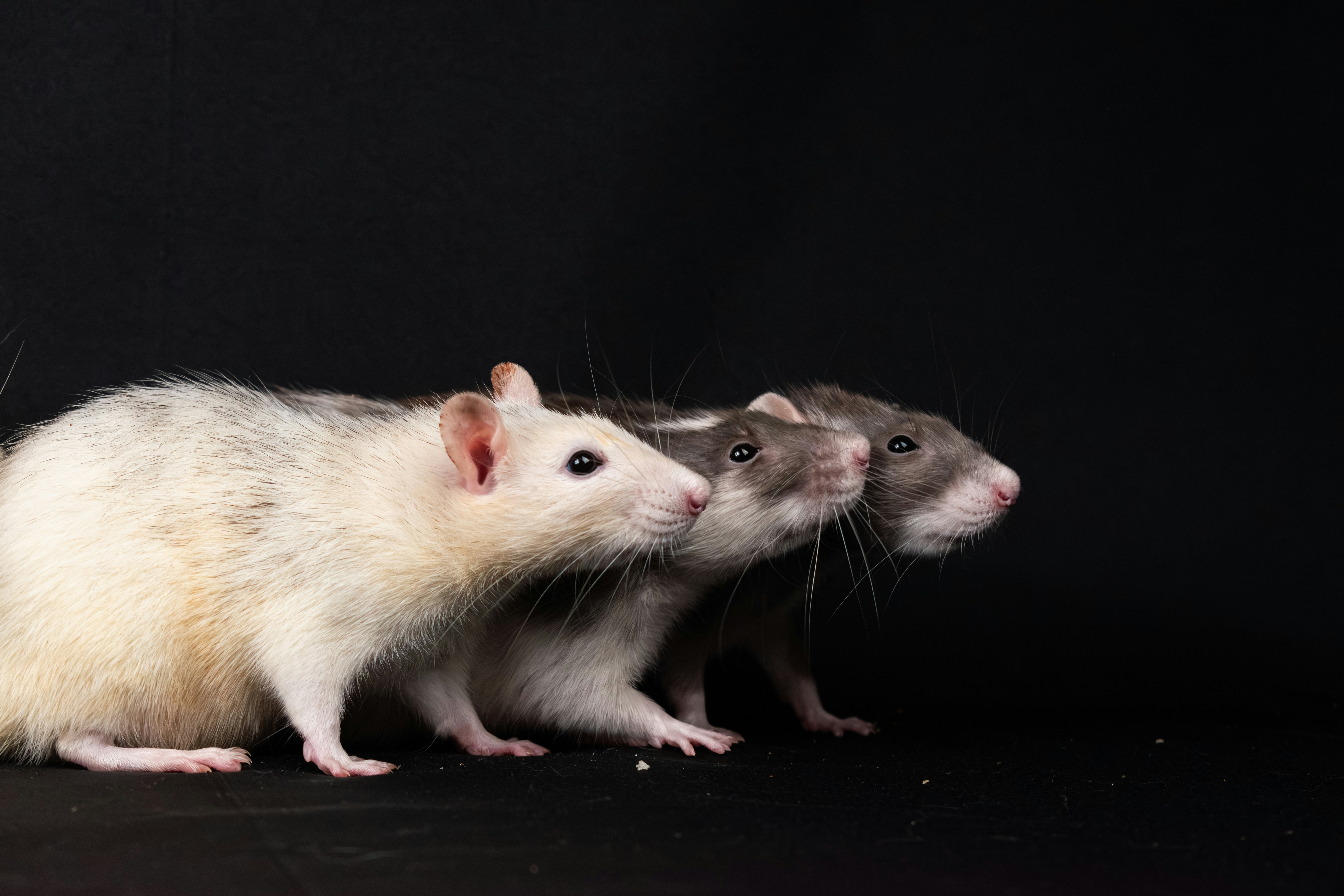
How strongly rats experience the negative effects of cocaine, which makes them more avoidant of the drug, varies depending on their genetic strain.
Cocaine produces strong euphoric effects, but many users experience unpleasant effects after the rewarding aspects of the drug wear off, which serve as a “brake” for continued use. Research suggests that those who go on to misuse cocaine may not have as sensitive of a natural brake on their use of the drug. Is there a genetic cause for this variability? Informed by previous work suggesting that this brake is activated to different degrees by cocaine in different rats, Thomas Jhou, from the University of Maryland Baltimore, led a study exploring the genetic heritability of this trait in rats.
The researchers first discovered that standard rats had different responses to cocaine’s negative effects. The offspring of the rats that were most and least responsive to cocaine’s unpleasantness also had similarly high and low levels of such responses. Testing several other genetically distinct rat strains revealed that some strains were innately avoidant of cocaine, while others were much less so, and still others were in between.
The researchers next wondered whether the heritability of this “brake” brain pathway was specific to cocaine use. Elaborates Jhou, “We wondered if maybe the cocaine-avoidant animals were more avoidant generally—think of these rats as the ‘Eeyores’ of the bunch.” But this was not the case—avoidance of cocaine did not correlate with avoidance of other negative stimuli.
According to the researchers, this work suggests that different heritable factors may affect brain pathways for unpleasant cocaine experiences and the heritable factors that guide general avoidance behavior. Says Jhou, “Addiction is frequently thought of as a ‘reward-related disease,’ with the idea being that ‘this drug is so rewarding, I can’t resist it and will pursue it despite the consequences.’ But we’ve started thinking about it differently. Some individuals may feel consequences that others don’t at all, or to a lesser degree! And this is what we are starting to see.”
Attachments
Note: Not all attachments are visible to the general public. Research URLs will go live after the embargo ends.


