 Sign In



 International
News release
From:
Mutations across the genome add up to blood cancer risk in three popular dog breeds
Genomic study finds cancer-linked variants in Bernese mountain dogs, Rottweilers and retrievers
Six genetic variants add up to determine the risk of several blood cancers in pre-disposed dog breeds, according to a study by Benoît Hédan at the University of Rennes and colleagues, publishing April 8th in the open-access journal PLOS Genetics. The results confirm a known tumour-suppressor gene as a risk factor for histiocytic sarcoma — a rare and aggressive blood cancer that affects both dogs and humans — as well as identifying four new genetic loci associated with the disease.
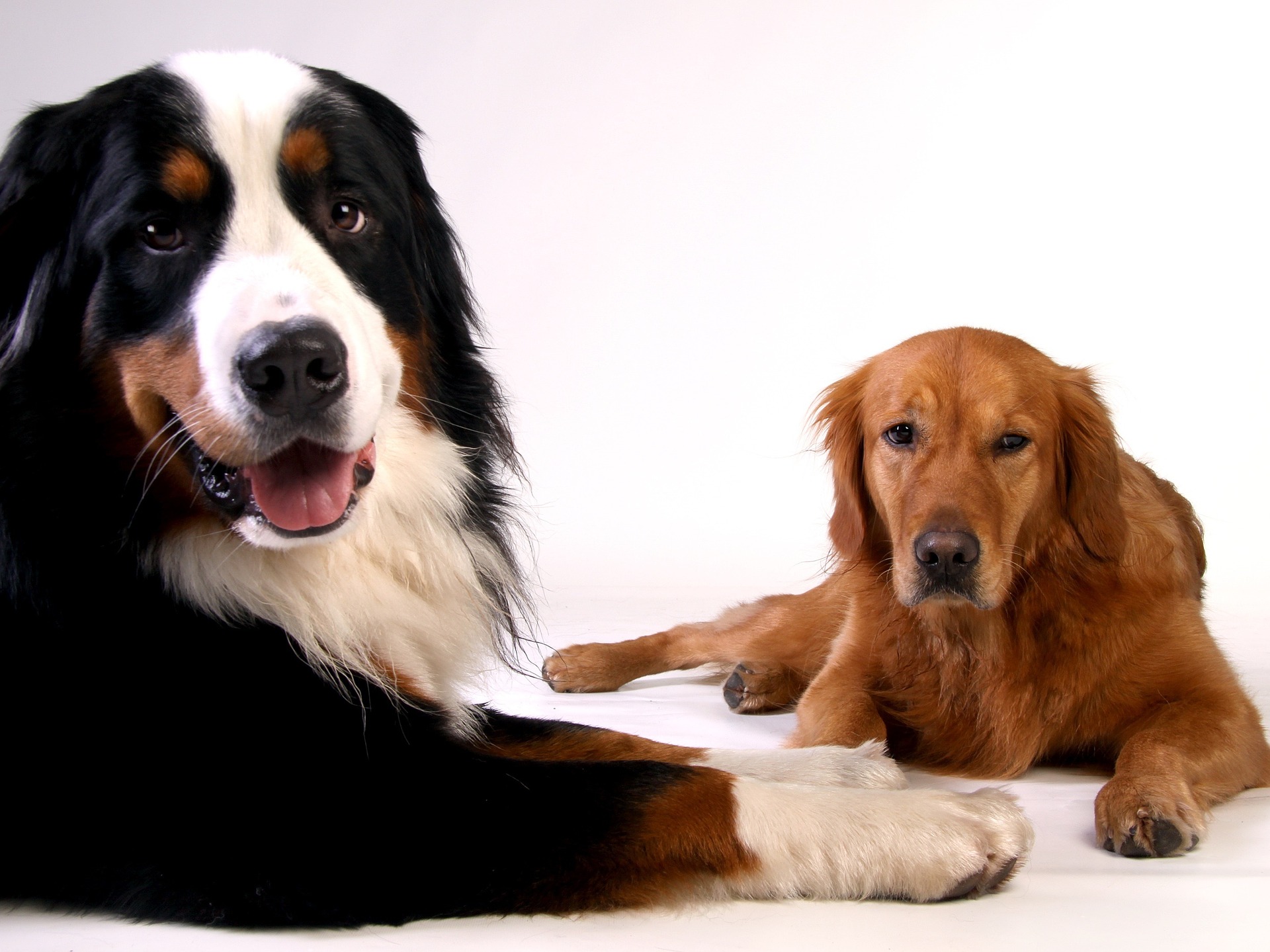
The researchers sequenced genomic DNA extracted from blood samples from Bernese mountain dogs, Rottweilers, flat-coated retrievers, and golden retrievers, including 172 dogs diagnosed with histiocytic sarcoma (HS), and 128 unaffected dogs. A genome-wide associate analysis identified five chromosomal regions that cumulatively increased the risk of HS in the three breeds. Each of these regulatory regions accounted for 5-15% of cases, which may indirectly influence cancer risk. Dogs carrying five or more of these mutations had a very high risk of developing blood cancer during their lifetime. An expanded analysis including sequences from dogs diagnosed with two other blood cancers found that three of the five chromosomal regions associated with HS had multi-cancer effects, increasing the risk of lymphomas, osteosarcomas in Rottweilers, and mast cell tumors in Bernese mountain dogs and retrievers.
Previous studies have used domestic dogs as a model to study the genetics of rare human cancers, but this is the largest multi-breed study of HS conducted to date. The authors hope the results can help inform our understanding of human HS, a cancer for which there are few diagnostic tools and limited clinical options. For example, several of the variants identified in the present study have previously been linked to cancer predisposition, immune system function or allergies in humans.
“This study took advantage of dog breed predispositions to decipher the genetic bases of histiocytic sarcoma, a rare human cancer,” the authors conclude. “We showed that the risk to develop this cancer results from the accumulation of genetic alterations from several chromosomal regions linked to immune system function and to different cancers predisposition, providing relevant candidate genes for the corresponding human cancers.”
#####
Attachments
Note: Not all attachments are visible to the general public. Research URLs will go live after the embargo ends.


