Sick bumblebees seek out medicinal nectar

Publicly released:
International
Photo by Dmitry Grigoriev on Unsplash

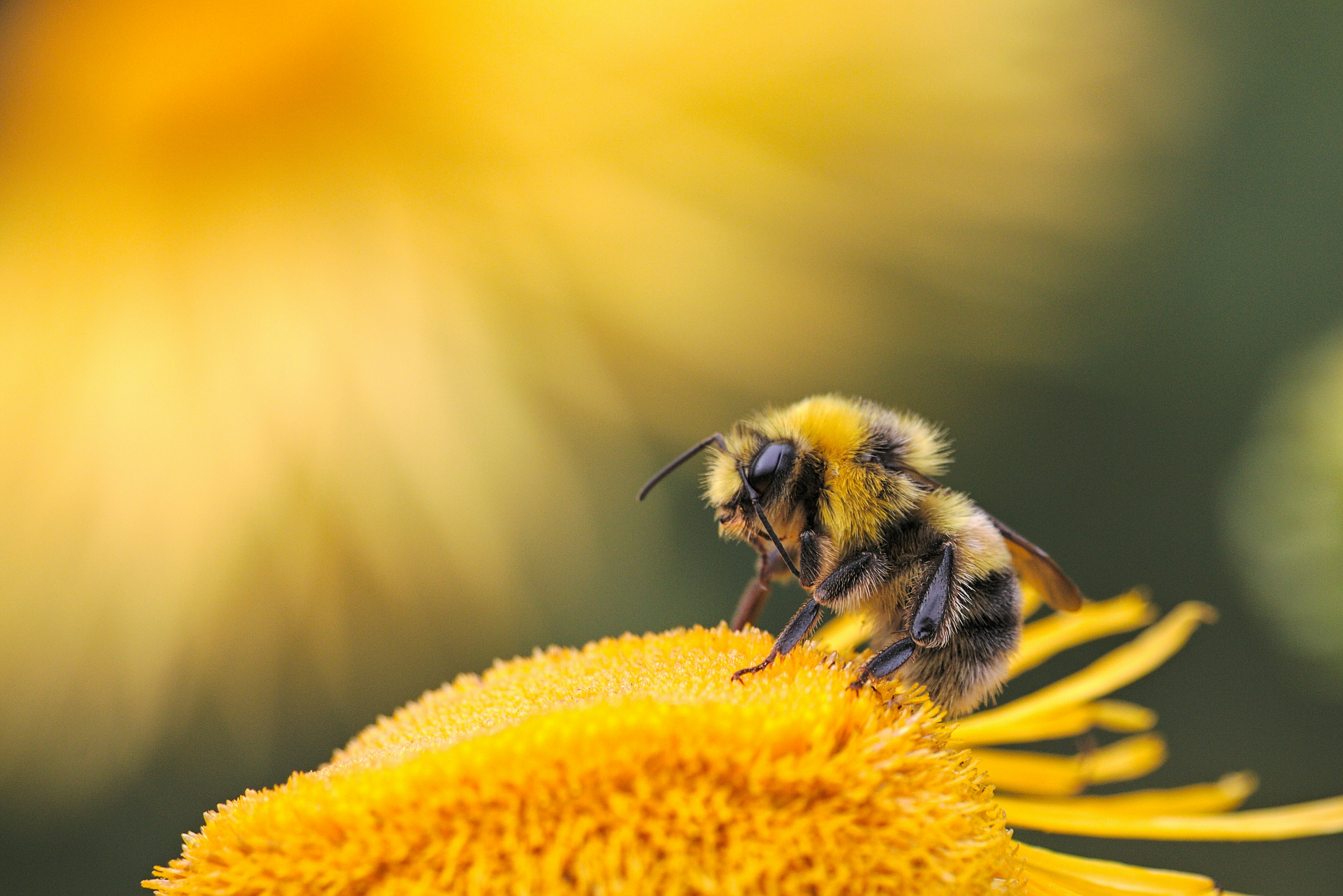
Bumblebees may be self-medicating to protect their colony, a new research shows. Using robotic flowers, researchers offered fungus-exposed bumblebee colonies a natural compound that fights germs, and found they were over 3 times more likely to drink from the nectar containing the medicine than healthy bees. However, colonies exposed to a bacterial infection showed no such behaviour. The researchers say the findings are consistent with a phenomenon called social-medication, when self-medication is done to benefit the group.

News release

From: The Royal Society

Hints of self-medication? Pathogen exposure-dependent foraging decisions of bumblebees
Royal Society Open Science

Sick chimpanzees eat bitter leaves. City birds line their nests with cigarette butts to fight off mites. Animals can medicate themselves. But can a bumblebee? Using robotic flowers, researchers offered bees nectar spiked with quercetin, a natural plant compound that fights germs. Colonies hit by a fungal brood disease drank more of it and fed for longer, while healthy bees and those with a gut infection showed no such behaviour. The type of infection, it seems, shapes how bees forage, hinting that even these tiny pollinators may know how to treat themselves when an illness strikes.

Multimedia
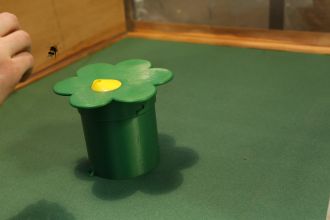
Image 2
Image 2
Slowmo
Journal/
conference:
Royal Society Open Science
Research:Paper
Organisation/s:
Funder: This project was supported by Fonds Wetenschappelijk Onderzoek (grant nos. 11L2425N and 12A0720N).
Media Contact/s
Contact details are only visible to registered journalists.