 Sign In



 International
News release
From:
Using Shakespeare to Answer Psychological Questions: Complexity and Mental Representability of Character Networks
Theater plays are a cultural product that can be used to learn about the capacity of human cognition. We argue that Kolmogorov complexity may be suited to operationalize how demanding it is to follow the narrative. In this registered report, we analyzed character networks from Shakespeare’s plays and 3,174 plays from the Drama Corpora Project. In Study 1, we analyzed the complexities of Shakespeare's plays to explore an approximate limit of complexity of character networks that humans can mentally represent. In Study 2, we found that the complexities of Shakespeare’s plays lie at the upper end of the complexity distribution across all plays. Study 3 revealed that the complexity of character networks is highly correlated with the number of speaking characters, which is often used as a proxy for mental representability. Study 4 showed that researcher degrees of freedom affected absolute complexity estimates. The order of complexities across character networks, however, remained robust. Despite the findings, we caution against hasty inferences from cultural products to general cognitive limits across different types of social networks and highlight the importance of extra-network factors.
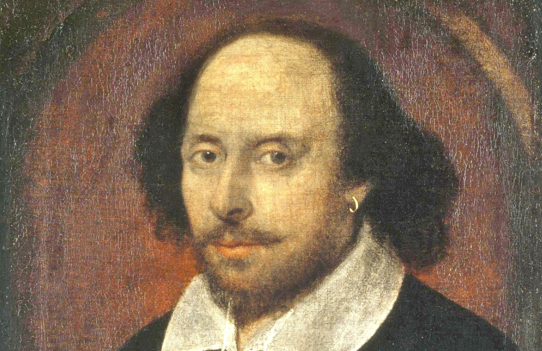
Bard to follow - Shakespeare’s plays are more complicated than most other European plays, with Anthony and Cleopatra being the trickiest to follow, researchers suggest. These findings come from a study analysing over 3000 European plays written between 472 BC – 2017 AC, where researchers determine complexity based on relationship networks between characters. They suggest that by quantifying how demanding it is to follow the narrative, theatre can be used to study the capacity of human cognition.
Attachments
Note: Not all attachments are visible to the general public. Research URLs will go live after the embargo ends.


