Scrapping the hep B vaccine at birth is likely to come at a cost for the US

Publicly released:
International
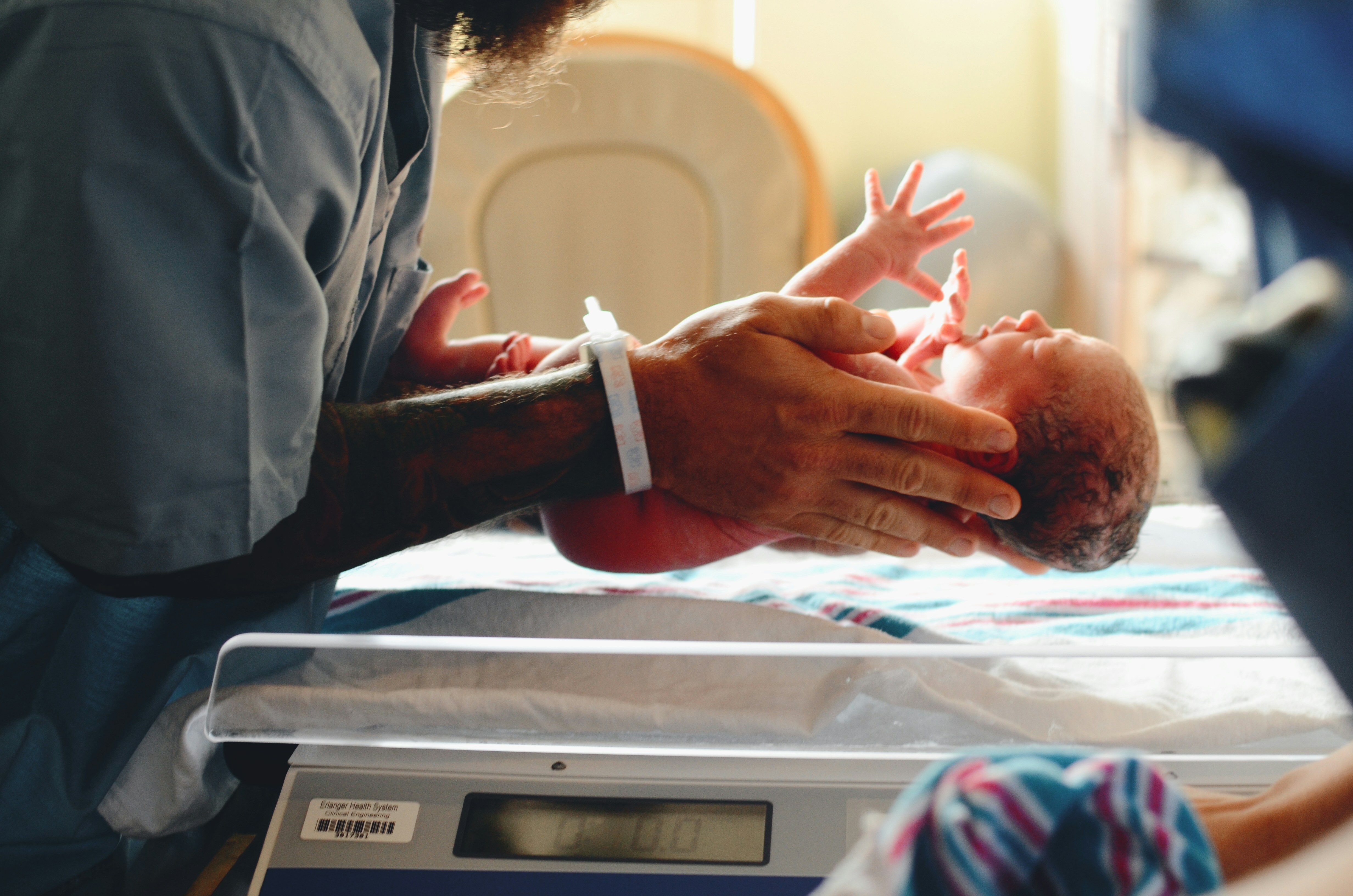
Photo by Christian Bowen on Unsplash

In December 2025, the US vaccine advisory panel, whose current members were all appointed by US Health Secretary Robert F Kennedy Jr, voted to change a long-standing recommendation to give all babies a hepatitis B vaccine at birth. Now, research has found that not giving this vaccine to all babies at birth would likely increase infections. The research modelled the likely impact of the change and found that preventing those infections would require screening approximately 100,000 more women than current levels. A second economic evaluation also found that delaying the administration of the vaccine from birth to two months of age could result in extra infections among children by age 18 years, alongside additional cases of liver cancer, excess deaths, and millions of dollars in excess health care costs.

News release

From: JAMA

Impact of Removing the Universal Hepatitis B Birth-Dose Vaccination in the US
JAMA Pediatrics

About The Study: This study estimated the impact of replacing universal hepatitis B virus (HBV) birth-dose vaccination with a targeted recommendation on neonatal and subsequent chronic HBV infections in the U.S. The findings indicate that the targeted birth-dose vaccine recommendation will likely increase neonatal infections unless maternal screening rises substantially or vaccination coverage among infants of unscreened mothers exceeds current levels. As historic data show such improvements are unlikely, these findings underscore the continued importance of universal screening and vaccination as complementary safeguards.

Economic Impact of Delaying the Infant Hepatitis B Vaccination Schedule
JAMA Pediatrics

About The Study: The results of this economic evaluation quantified the potential impact of changing Advisory Committee on Immunization Practices recommendations. Even brief delays in hepatitis B vaccine initiation were associated with a substantial increase in hepatitis B virus infections, adverse health outcomes, and health care costs.

Attachments

Note: Not all attachments are visible to the general public. Research URLs will go live after the embargo ends.

Research JAMA, Web page paper 1 - Please link to the article in online versions of your report (the URL will go live after the embargo ends).
Research JAMA, Web page Paper 2 - Please link to the article in online versions of your report (the URL will go live after the embargo ends).
Editorial / Opinion JAMA, Web page Please link to the article in online versions of your report (the URL will go live after the embargo ends).
Journal/
conference:
JAMA Pediatrics
Organisation/s: Oregon Health & Science University, Boston University, Stanford University School of Medicine
Funder: Paper 1: None reported. Paper 2: Drs Lind, Singh, Epstein, and Linas are supported by the National Institute of Allergy and Infectious Diseases (Dr Lind: 1R00AI177945-01, Dr Singh: 5T32AI052074-20, r Epstein and Linas: P30AI042853]. Drs Epstein and Linas are additionally supported by the National Institutes of Health, National Institute on Drug Abuse (1K01DA052821 and P30DA040500), and a Boston University Chobanian and Avedisian School of Medicine Department of Medicine Career Investment Award (to Dr Epstein).
Media Contact/s
Contact details are only visible to registered journalists.