 Sign In



 International
News release
From:
Public health: Using non-prescription medication sales for disease surveillance
Sales data for non-prescription medications could be used to improve predictions of respiratory disease mortality rates, reports an analysis of over two billion transactions in England published in Nature Communications. The findings suggest that non-prescription medication sales may be a useful indicator of population health that could improve disease surveillance and support healthcare planning.
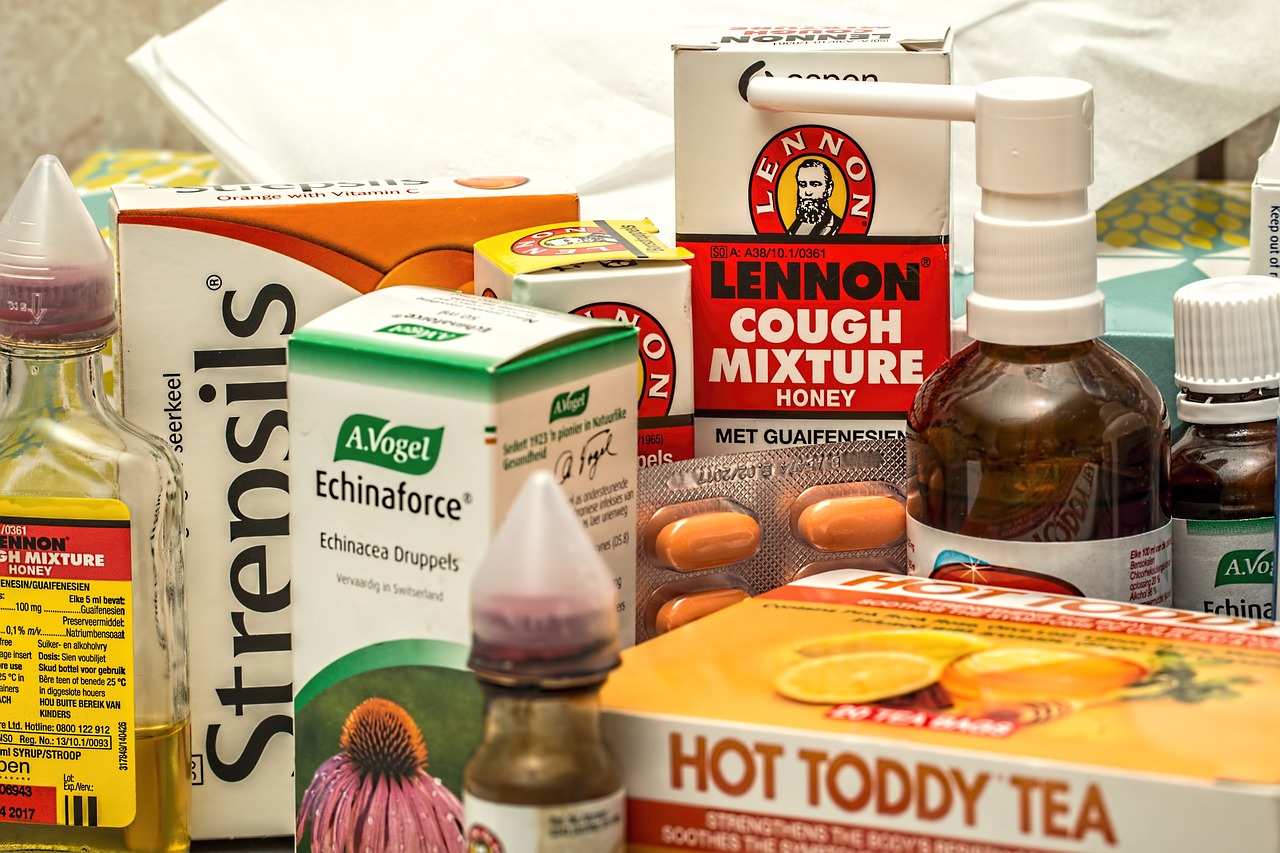
The COVID-19 pandemic highlighted the importance of producing accurate forecasts of respiratory infections. A challenge for generating these predictions is that many people with mild symptoms do not visit a doctor, and their illnesses are therefore not captured in health systems. However, people with mild illnesses may still purchase non-prescription medications for their symptoms, so patterns in sales data could indicate changes in disease rates that are otherwise hard to measure.
Elizabeth Dolan and colleagues used data on sales of non-prescription medications (such as cough or throat medications and decongestants) to predict weekly deaths from respiratory diseases (such as influenza and bronchitis) between 2016 and 2020. The sales data were obtained from transactions and loyalty cards of a UK high street retailer. All data were anonymously aggregated to store-level sales volumes, before being provided to researchers who then analysed the impact of sales at lower-tier Local Authorities levels. The analysis compared the accuracy of a machine learning-based model that included sales data and other commonly used indicators of respiratory disease — such as population sociodemographics and weather data — to a model without the sales data. The findings suggest that including sales data led to more accurate predictions, particularly during periods of higher respiratory death rates.
Further studies are needed to assess the utility and feasibility of incorporating sales data into real-time disease surveillance systems. In addition to an ongoing assessment of the accuracy of the predictions, this would require evaluation of the ethical implications of providing public health authorities with access to commercial sales data.
Attachments
Note: Not all attachments are visible to the general public. Research URLs will go live after the embargo ends.


