Rooftop solar and EVs expose our energy grid's issues, but community batteries are a solution

Publicly released:
Australia; VIC
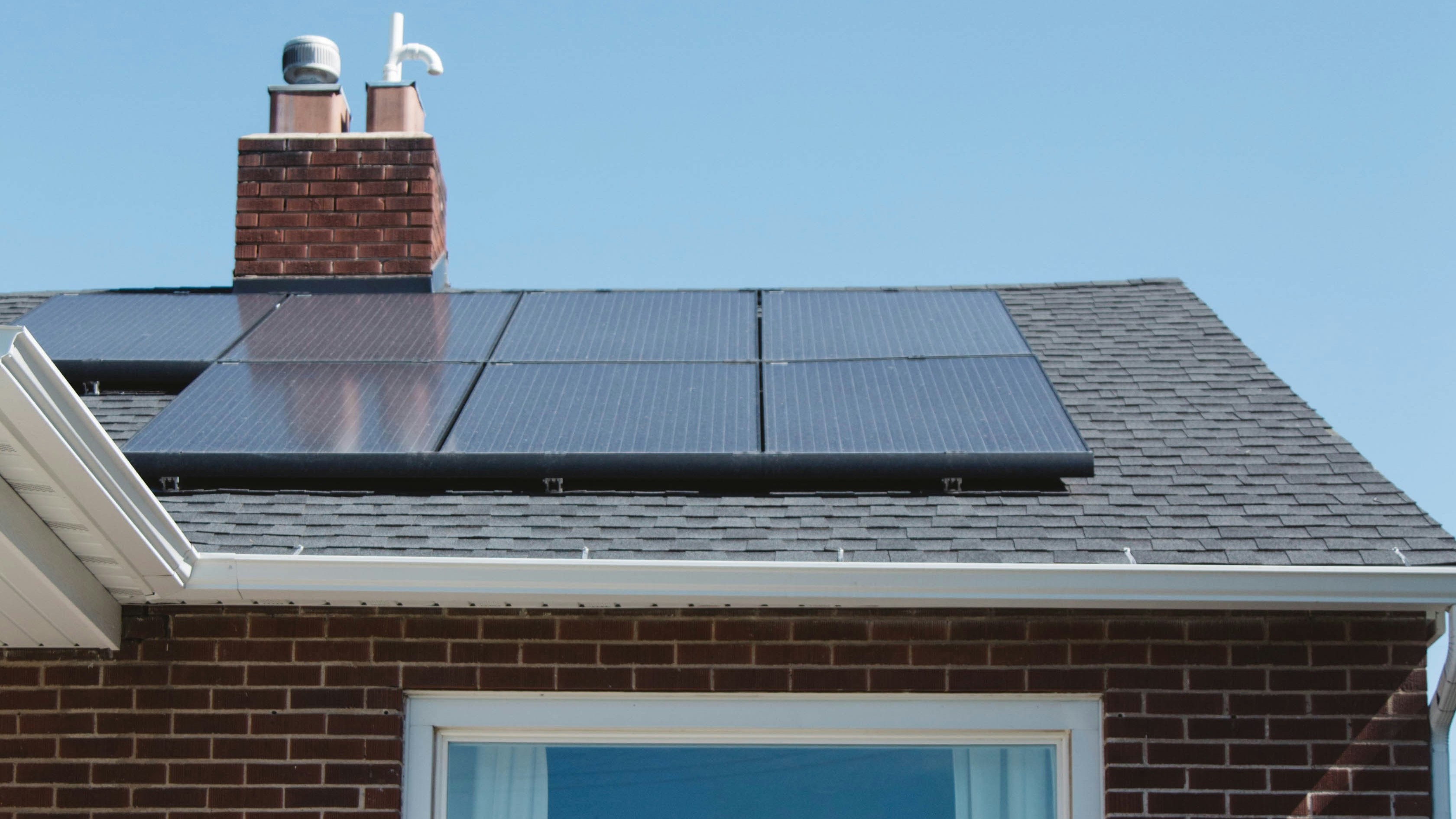
Photo by Vivint Solar on Unsplash

Solar panels and electric vehicles can cause voltage regulation challenges for the energy grid, but community-based batteries are the most viable solution for overcoming these vulnerabilities, and are more cost-effective than home batteries, according to Australian research. The study looked at the issues raised by integrating solar panels and EVs into the final stage of the electric grid that delivers power from distribution transformers to homes and other buildings - known as low-voltage distribution systems.  The study found that solar panels and electric vehicles can lead to overvoltage during the day when solar energy generation is highest, but undervoltage at night due to vehicle charging demand and no solar energy generation. They found that community-scale battery energy storage systems were the most viable solution for mitigating the technical vulnerabilities, and they were approximately 52% more cost-effective than individual household battery installations.

News release

From: Wiley

How can renewable energy be most efficiently integrated into the electric grid?
Renewable energy–based distributed energy resources (DERs) such as solar panels and electric vehicles can help reduce greenhouse gas emissions, but their integration in distribution grids introduces challenges due to the variable output of renewables and insufficient energy storage capacity. A study in IET Renewable Power Generation assessed DERs’ effects on the vulnerability of low-voltage distribution systems (the final stage of the electric grid that delivers power from distribution transformers to homes and other buildings).

Results indicated that although use of solar panels and electric vehicles lowers emissions and costs, it causes voltage regulation challenges. Overvoltage happens during the day with the increased solar energy generation, but undervoltage occurs at night due to vehicle charging demand and no solar energy generation. Use of community-scale battery energy storage systems was the most viable solution for mitigating the technical vulnerabilities imposed on distribution networks by DERs. Moreover, they were approximately 52% more cost-effective than individual household battery installations.

“Cleaner energy brings new grid challenges, making coordinated storage essential for voltage stability,” said corresponding author Khalil Gholami, PhD, of Deakin University, in Australia.

Attachments

Note: Not all attachments are visible to the general public. Research URLs will go live after the embargo ends.

Research Wiley, Web page Please link to the article in online versions of your report (the URL will go live after the embargo ends).
Journal/
conference:
IET Renewable Power Generation
Research:Paper
Organisation/s: Deakin University
Funder: This research is supported by the Deakin University Mini ARC Analog Programme 2025 (MAAP2025). Open access publishing facilitated by Deakin University, as part of the Wiley - Deakin University agreement via the Council of Australasian University Librarians.
Media Contact/s
Contact details are only visible to registered journalists.