 Sign In



 International
News release
From:
Yale researchers develop RNA-based therapy that clears SARS-CoV-2 from mice
Researchers at Yale School of Medicine have discovered that an RNA molecule that stimulates the body’s early antiviral defense system can protect mice from a range of emerging SARS-CoV-2 variants. The study, published today in the Journal of Experimental Medicine (JEM), could lead to new treatments for COVID-19 in immunocompromised patients, as well as providing an inexpensive therapeutic option for developing countries that currently lack access to vaccines.
Though approved vaccines against SARS-CoV-2 are highly effective at preventing severe disease and death during the ongoing COVID-19 pandemic, vaccine availability is extremely limited in many low-income countries, and new, vaccine-resistant strains of the virus could emerge in the future. Moreover, the vaccines’ effectiveness is already reduced in immunocompromised individuals unable to form sufficient numbers of antibodies or T cells that specifically target the viral spike protein. These individuals are susceptible to chronic, long-term SARS-CoV-2 infections.
“This is why, in addition to the use of vaccines in preventing COVID-19, efforts are required to develop efficacious therapeutics against SARS-CoV-2,” says Akiko Iwasaki, a professor at Yale School of Medicine.
The body’s first line of defense against SARS-CoV-2—before the involvement of antibodies and T cells—is thought to depend on receptor molecules such as RIG-I that recognize the virus’s genetic material and induce the production of signaling proteins known as type I interferons. These interferons, in turn, promote the production of proteins that can inhibit viral replication and stimulate the recruitment of immune cells to fight the infection.
Multiple studies have suggested that early and robust production of interferons protects against COVID-19, whereas delayed production is associated with severe disease. A clinical trial has shown that treating COVID-19 patients with purified interferon protein early during disease can reduce mortality, but manufacturing interferons is extremely expensive.
In the new JEM study, Iwasaki and colleagues suggest a cheaper alternative: treating patients with short RNA molecules that mimic SARS-CoV-2’s genetic material and activate the RIG-I receptor to stimulate production of type I interferons by the body’s own cells.
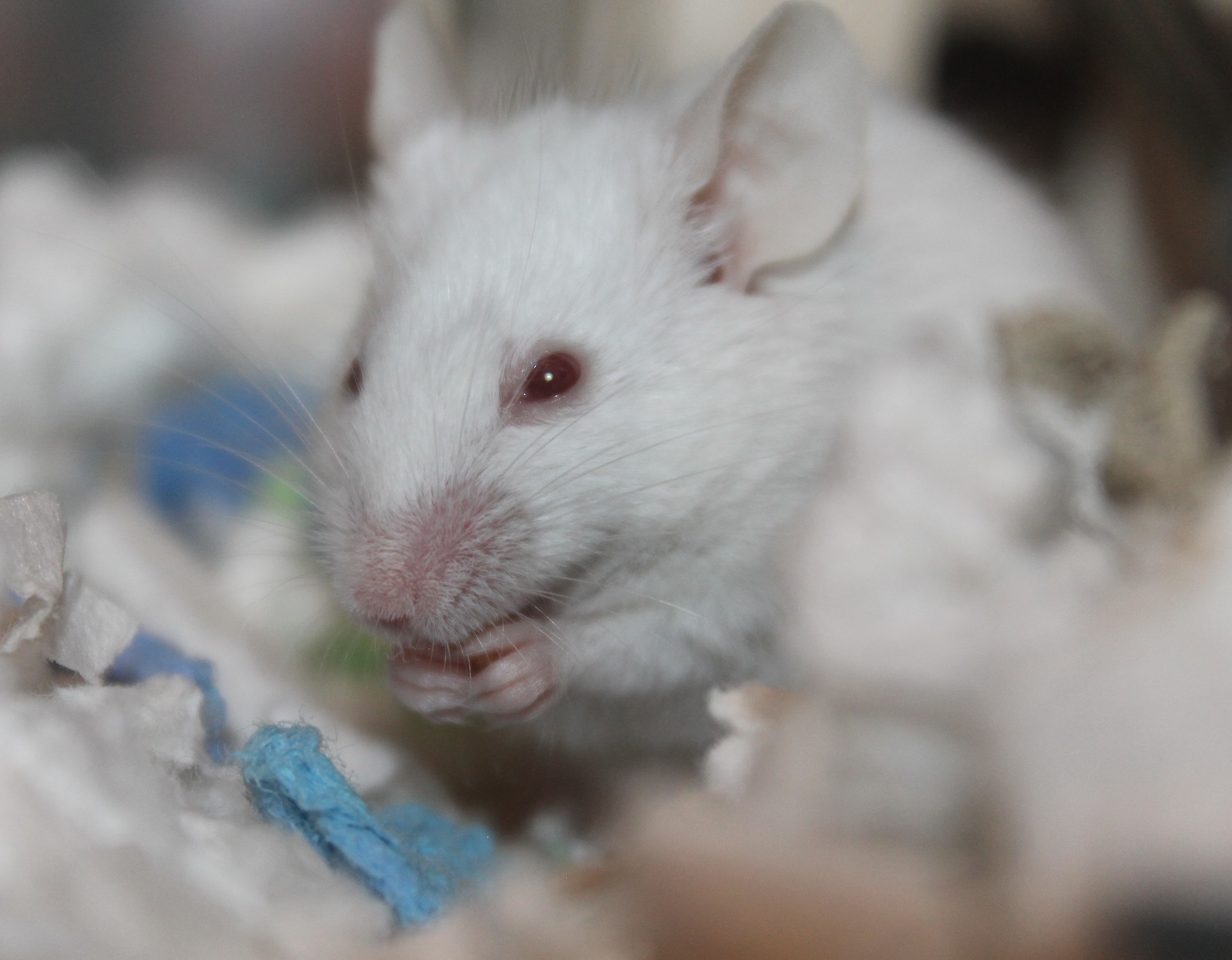
The researchers tested their approach in mice susceptible to SARS-CoV-2 infection. A single dose of an RNA molecule named SLR14 was sufficient to protect the mice from severe disease and death, particularly if the treatment was provided shortly before or soon after exposure to the virus. When administered shortly after viral infection, SLR14 was more effective than treating mice with purified interferon protein, the researchers determined.
Crucially, SLR14 protected mice from all emerging SARS-CoV-2 variants, including the delta variant responsible for the recent surge in US COVID-19 cases.
Finally, Iwasaki and colleagues tested SLR14 in immunocompromised Rag-/- mice chronically infected with SARS-CoV-2. The RNA molecule was able to completely clear the virus from these animals, even though they lack both T cells and antibody-producing B cells.
Iwasaki and colleagues point out that RNA molecules like SLR14 are relatively cheap and easy to manufacture. “SLR14 therefore holds great promise as a new class of RNA therapeutics that can be applied as antivirals against SARS-CoV-2,” Iwasaki says. “Moreover, because this RNA-based therapeutic approach is simple and versatile, our study will facilitate pandemic preparedness and response against future respiratory pathogens sensitive to type I interferons.”
Attachments
Note: Not all attachments are visible to the general public. Research URLs will go live after the embargo ends.


