 Sign In



 Australia; VIC
News release
From:
Developmental biology: Base editing reveals essential factor in human embryogenesis *SMC BRIEFING*
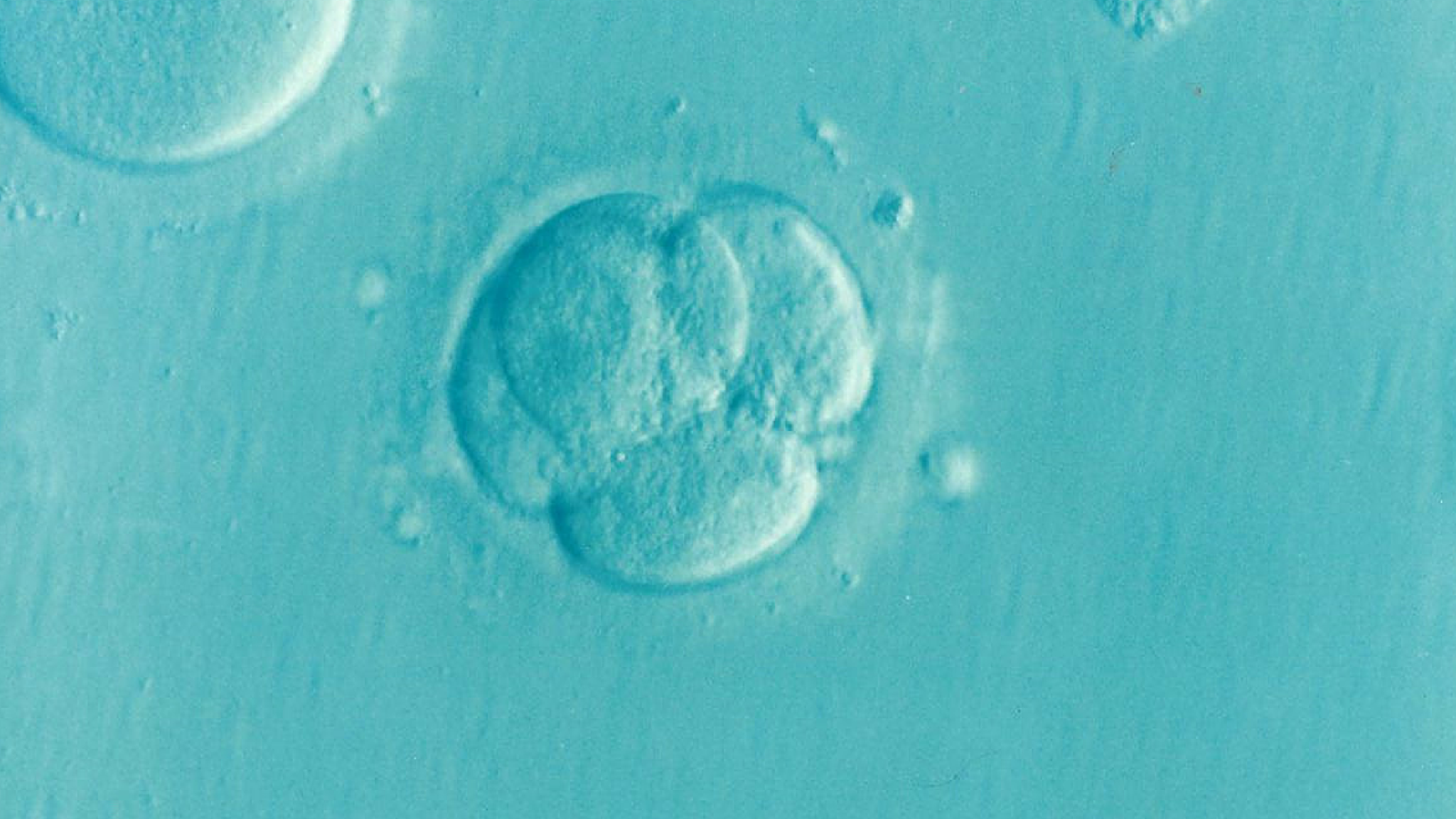
An essential role for a developmental regulator in human embryos is identified in a paper published in Nature. The functional role of a transcription factor called NANOG was identified in human embryonic stem cells and human embryos using base editing, demonstrating the importance of this technique in learning more about human development.
Mouse studies have offered insights into the transcription factors (proteins that regulate gene expression) that regulate early development, but translating these findings to human embryos has been challenging owing to ethical, technical and biological constraints. Previous mouse studies have indicated that NANOG has an important role in embryo development, contributing to the development of epiblast tissues in the mouse embryo and regulating pluripotency. However, the role of this transcription factor in human embryos has not been tested. Genome editing techniques can be used to understand developmentally important genes in the embryo, but some methods — such as nuclease-based genome-editing (for example, CRISPR/Cas9) — have been shown to cause unwanted off-target DNA changes and genome rearrangements.
To overcome previous problems, Kathy Niakan and colleagues use a modification of the CRISPR/Cas9 technique, called base editing, to study the role of a specific transcription factor. Nuclease-based genome-editing makes double-strand cuts in DNA, which allows the insertion or removal of specific sequences to study their role in certain processes, whereas base editing allows the conversion of nucleotide bases (the building blocks of DNA) while cutting only a single strand of DNA. Niakan and colleagues use adenine base editing to disrupt NANOG in human embryonic stem cells and human embryos (the embryos were not developed beyond 14 days). Loss of NANOG function prevents pluripotent epiblast cells from turning into cells with the potential to create all cells in the body, redirecting these cells towards becoming extraembryonic yolk sac or placental cells. These outcomes are different to what has been seen in mouse studies, emphasizing the importance of directly investigating human development, the authors note.
Adenine base editing is shown to be a precise and effective strategy for studying the functional role of genetic signatures in early human embryos and may overcome some of the limitations of nuclease-based genome editing, the authors conclude. They caution that clinical translation of genome editing in human embryos requires rigorous ethical inquiry and oversight as well as broad societal debate and support before it can proceed.
Attachments
Note: Not all attachments are visible to the general public. Research URLs will go live after the embargo ends.


