 Sign In



 Australia; SA
News release
From:
Prescribed burns can worsen weed infestations
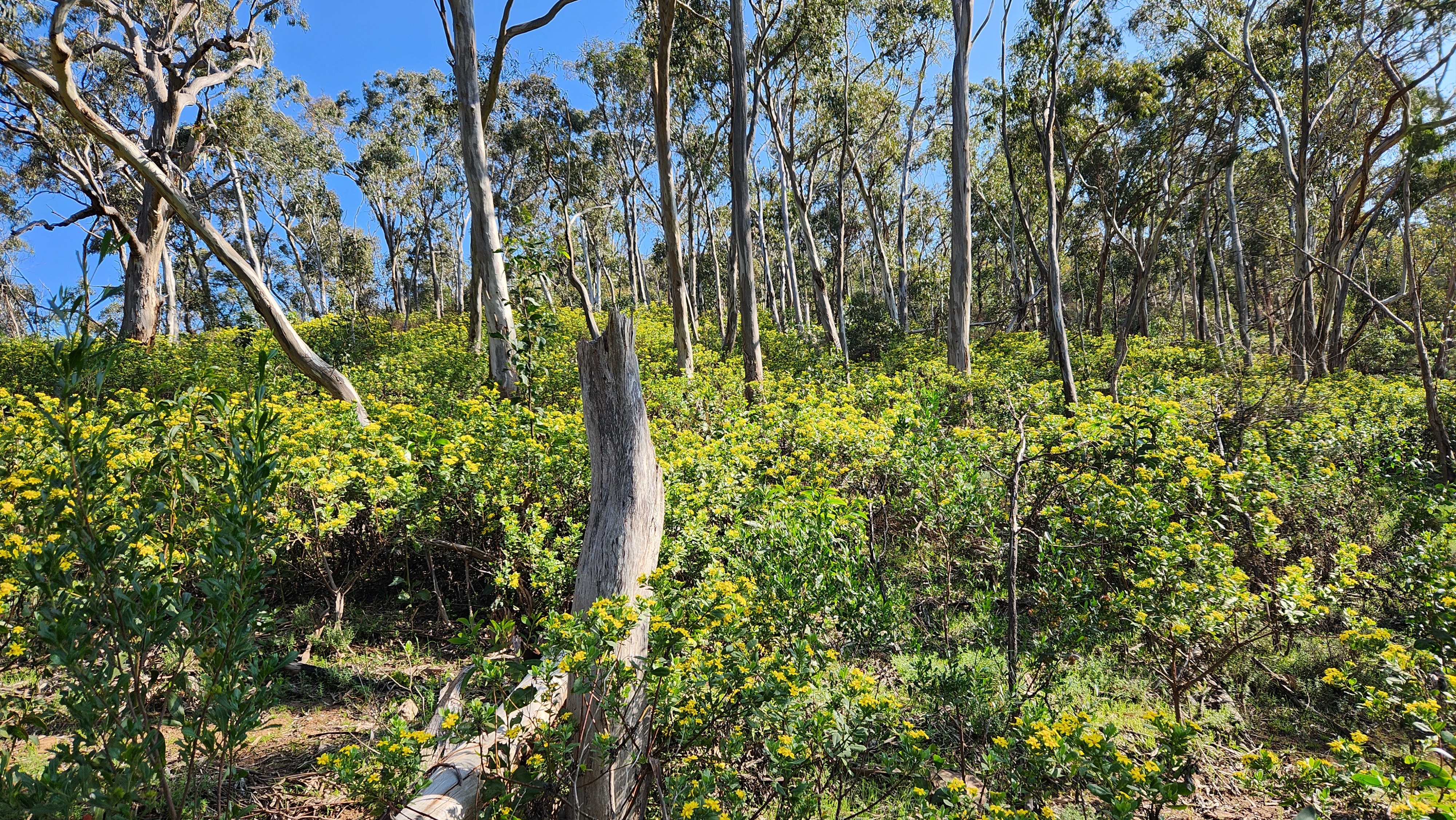
A study in the Adelaide Hills published by researchers from Adelaide University and Kangaroo Island Research Station shows a dramatic impact of a prescribed burn on boneseed infestation.
Boneseed, a Weed of National Significance, has not yet made its way to Kangaroo Island, but is spreading in the Mount Lofty Ranges.
The researchers examined the impact of a 2023 autumn prescribed burn on boneseed and native orchids at Morialta Conservation Park 16 months later.
Recent graduate Jess Klatt, first author of the study, was alarmed by the vigorous recruitment of boneseed after the burn, compared to the adjacent control area.
‘We found substantially higher densities of boneseed at the burnt site than at the unburnt site, with a large increase in seedlings following the fire’, she said.
‘This suggests prescribed fire can create conditions that favour boneseed recruitment, increasing the need for effective follow-up management.’
The authors estimated that the cost of weeding would be 17 times greater in a prescribed burnt area than in an unburnt area.
Most orchid numbers were generally lower in the burnt area, including for the fire orchid, Pyrorchis nigricans, which was significantly denser in the unburnt area. At the peak of the flowering season, none of the fire orchids was flowering.
The authors warn that orchid distribution is patchy, and that additional research is needed, but that management must be evidence-based.
‘Management cannot be based on beliefs and folklore,’ said Associate Professor Topa Petit, ‘the fire orchid, like most plants, doesn’t “need” prescribed burns.’
‘This study highlights the importance of monitoring the ecological outcomes of prescribed burns’, adds Ms Klatt.
‘Burnt areas can become more heavily invaded by weed species which will outcompete native species, including populations of threatened orchids, without adequate control.’
Although the study focused on boneseed, more fire-responsive weeds occur at Morialta Conservation Park, aggravating habitat loss for native flora and fauna.
“We recommend a pause in prescribed burning until Morialta Conservation Park has been weeded’, says Dr Petit.
‘Prescribed burning must be re-evaluated based on scientific knowledge, and scientifically valid monitoring must be conducted.’
‘A large body of research points at the dangers of prescribed burning, including increased flammability and pest invasion.’
‘In this case study, we show that boneseed infestation can become overwhelming in the Mount Lofty Ranges after fires.’
Multimedia

Attachments
Note: Not all attachments are visible to the general public. Research URLs will go live after the embargo ends.


