 Sign In



 New Zealand
News release
From:
"Community pest control is very widespread in New Zealand, but normally only targets a few pests, typically those which are larger and easier to trap (possums, stoats, and sometimes rats). Although those pests are bad for many native birds, there has been little study on whether controlling this subset of pests has unintended consequences.
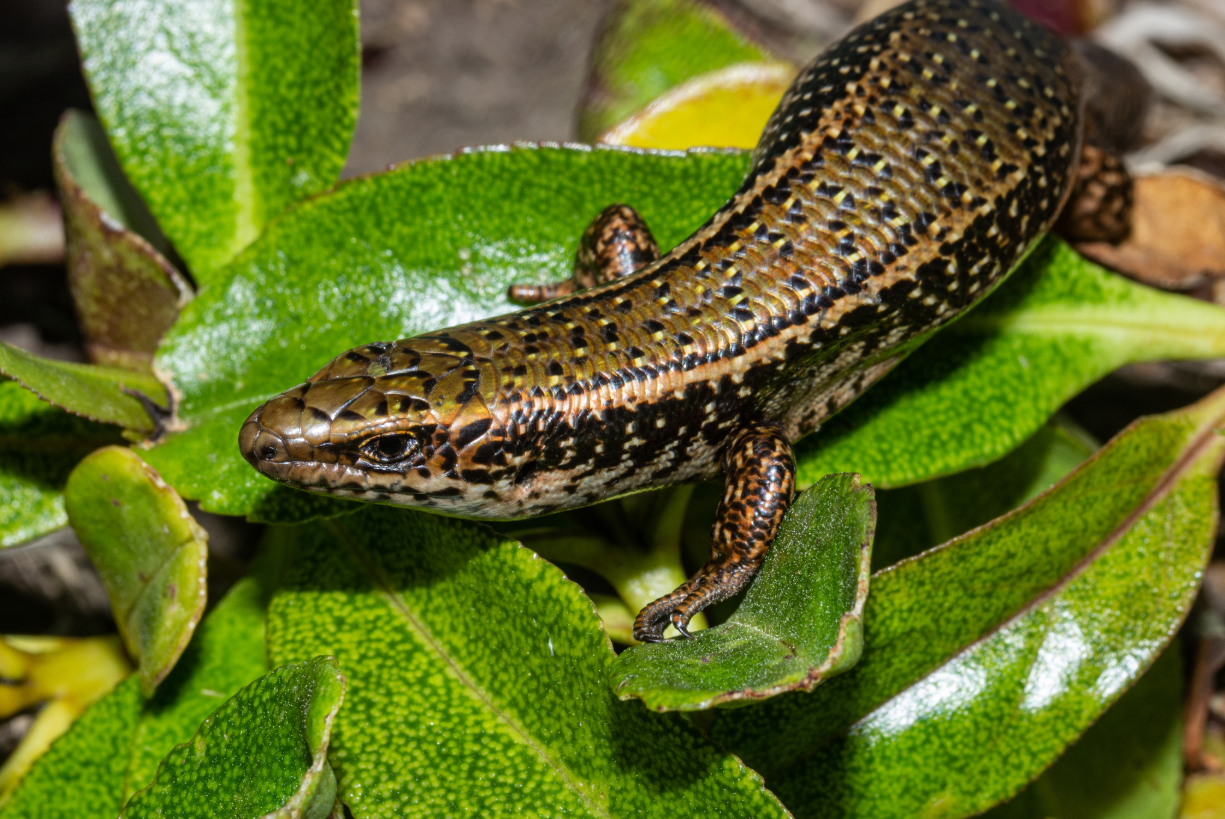
"In this ten-year study we tried to protect a grassland community of three endemic skinks with intensive predator control, which targetted stoats, weasels and mice. We found a major increase in the two smaller species skinks (McCann’s and southern grass skinks). However, the larger, endangered Canterbury spotted
skink did not increase, and if anything went down in numbers after predator control. This is probably because of an increase in smaller predators which are a particular threat to larger lizards (weasels and mice), and are harder to trap. Weasels apparently benefitted from stoat trapping, and mice are always hard to suppress to low numbers because they are so fast-breeding.
"Therefore, even very intensive predator control was insufficient to protect the most threatened skink at our study site, because of interactions among the guild of introduced predators. Pest control programmes need to carefully consider interactions among predators to avoid unwittingly harming smaller threatened
species such as lizards."

