 Sign In



 Australia; NSW; VIC
News release
From:
Powerful brain imaging has helped uncover why people with post-traumatic stress disorders (PTSD) who engage in negative self-talk may be struggling with the first line of treatment.
The discovery, published in Nature Mental Health, sheds new light as to why underlying brain mechanisms mean some therapies potentially work for some people and not others, and could guide the development of more targeted treatments for PTSD.
Associate Professor Trevor Steward, Director of the Brain and Mental Health Hub at the University of Melbourne, said people with PTSD often get stuck in negative thoughts about themselves and the world.
“Therapy helps patients challenge those thoughts through a cognitive behavioural therapy technique called cognitive restructuring, where you identify and change negative and irrational thoughts. However, until now, nobody knew what was happening in the brain when they try to do this,” he said.
“We’ve identified a specific brain circuit involved in this process, in people with PTSD, which showed that the brain's control centre was worse at regulating a deep relay hub called the thalamus.
“The weaker that connection, the more severe a person's negative beliefs.”
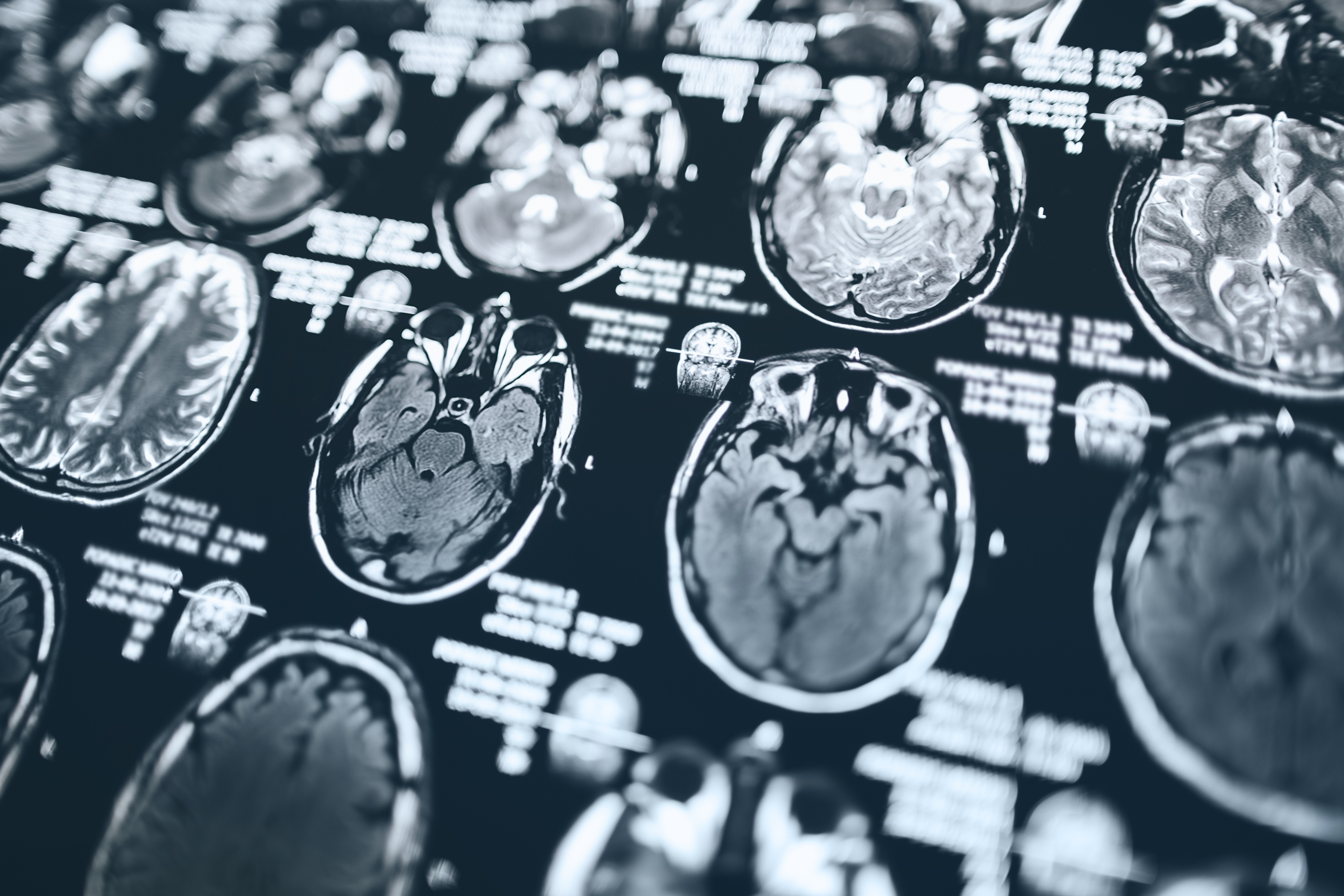
The research team used a powerful brain scan via a 7-Tesla MRI machine at the Melbourne Brain Centre, which gives sharper and higher resolution images of deep brain structures, over a standard hospital scanner.
Professor Kim Felmingham, Chair of Clinical Psychology at the University of Melbourne and a leading voice on PTSD, said it is notoriously difficult to treat.
"Talk therapy works for at least half our clients, but is less effective for others," Professor Felmingham said.
"This study helps us identify more precise mechanisms involved in cognitive behavioural therapy for PTSD, which will guide us to new ways to optimise treatments."
Participants involved in the study were either adults with PTSD or adults exposed to trauma without a diagnosis.
“Negative thoughts are common for people with PTSD,” Associate Professor Steward said.
“In this study, we were able to see which parts of the brain activate, but more importantly, we were then able to see how the regions of the brain communicate with each other in the PTSD group.
“It's a bit like the difference between knowing which instruments are playing in an orchestra versus understanding who's conducting.”

