 Sign In



 International
News release
From:
Study shows that poorer people less likely to be tested for SARS-CoV-2, and more likely to be hospitalised, enter ICU and die
Embargo: 2330H UK time Friday 9 July
*Note: this paper is being presented at the European Congress of Clinical Microbiology & Infectious Diseases (ECCMID) and is being published in The Lancet Public Health. Please credit both the congress and the journal in your stories*
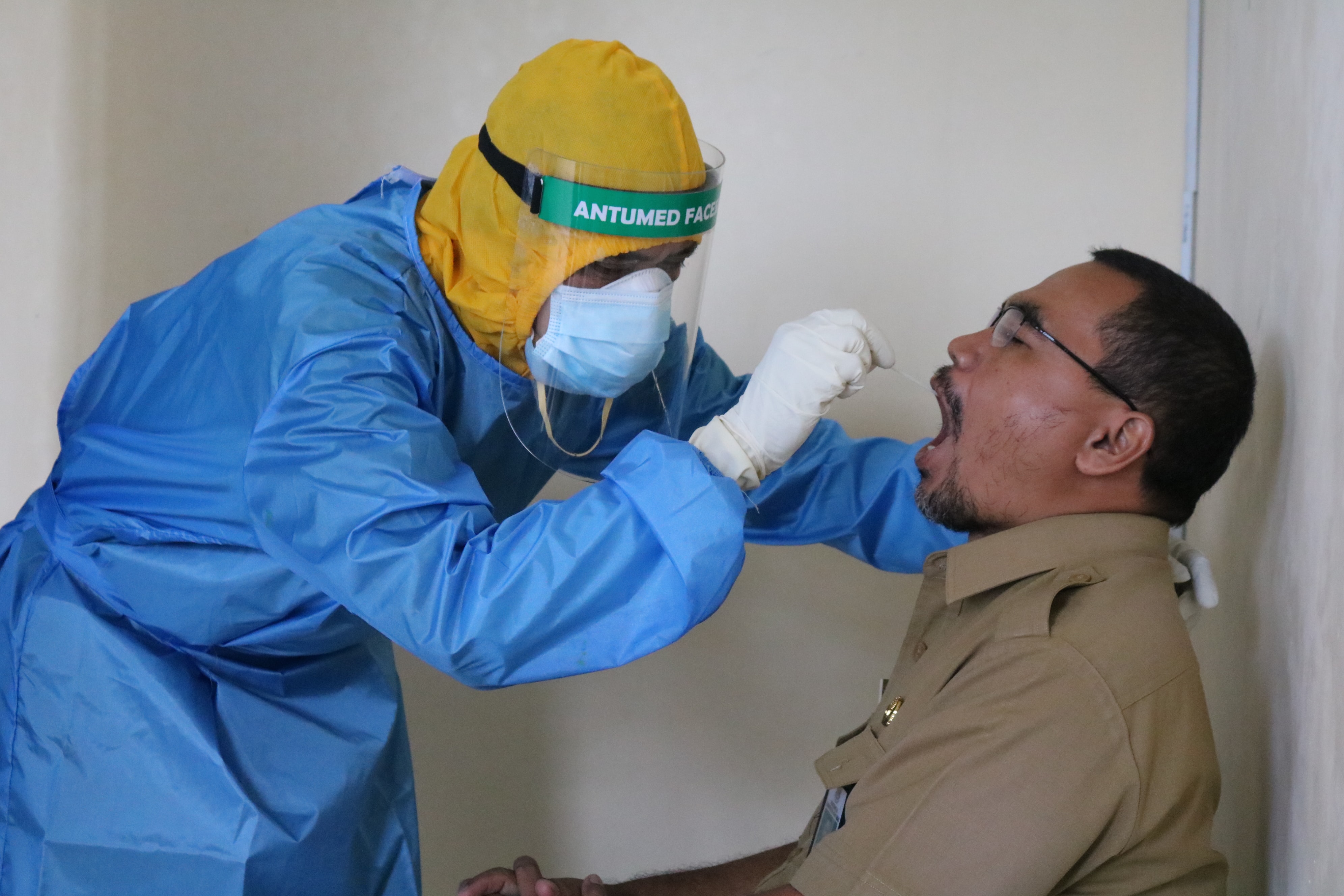
New research from Switzerland presented at this year's European Congress of Clinical Microbiology & Infectious Diseases (ECCMID), held online this year, shows that people living in poorer neighbourhoods were less likely to be tested for COVID-19 but more likely to test positive, be hospitalised, or die, compared with those in more wealthy areas. The study is by Professor Matthias Egger and Dr Julien Riou, Institute of Social and Preventive Medicine, Bern, Switzerland.
For the study, the authors analysed surveillance data reported to the Swiss Federal Office of Public Health from March 1, 2020, to April 16, 2021. They assigned a rating to each residence included in the study, using the Swiss neighbourhood index of socioeconomic position (Swiss-SEP). The index describes 1.27 million small neighbourhoods of approximately 50 households each on the basis of rent per m², education and occupation of household heads, and crowding, rating each residence from 1 (poorest) to 10 (wealthiest). Models were adjusted for sex, age, canton (administrative area), and wave of the epidemic (before or after June 8, 2020).
Analyses were based on 4,129,636 tests, 609 782 positive tests, 26143 hospitalisations, 2432 ICU admissions, 9383 deaths, and 8,221,406 residents. Comparing the highest with the lowest Swiss-SEP group and using the general population as the denominator, those in the wealthiest SEP neighbourhoods were 18% more likely to be tested for SARS-CoV-2 than those in the poorest. And, compared with the poorest neighbourhoods, those in the wealthiest neighbourhoods were 25% less likely to test positive, 32% less likely to be hospitalised, 46% less likely to be admitted to the ICU, and 14% less likely to die.
The authors also found these associations between neighbourhood SEP and outcomes were stronger in younger age groups, probably because frail people, who are over-represented in the socioeconomically disadvantaged groups, die at younger ages; therefore, the survivors at older ages are a select group of healthier people.
The authors say: "In this whole-population study of the COVID-19 epidemic in Switzerland in 2020-21, we found that people living in wealthier areas were more likely to get tested for SARS-CoV-2 but less likely to test positive and be admitted to hospital or the ICU, and less likely to die, compared with those in poorer areas."
They explain: "The higher incidence of SARS-CoV-2 infections, combined with a higher prevalence of comorbidities in poorer compared with wealthier neighbourhoods is likely to have contributed to worse outcomes, including the higher risk of hospitalisation and death. By June 2021, vaccination coverage had increased considerably, with over 40% of the Swiss population having received at least one dose of SARS-CoV-2 vaccine, and the Government is gradually easing preventive measures. It is essential to continue to monitor testing for SARS-CoV-2, access and uptake of COVID-19 vaccination, and outcomes of COVID-19. Governments and health-care systems should address this pandemic of inequality by taking measures to reduce health inequalities in their response to the SARS-CoV-2 pandemic."
The authors also highlight that this study illustrates the "inverse care law" in the unique setting of a pandemic in Switzerland, one of the world's wealthiest countries. The inverse care law was formulated 50 years ago and states that disadvantaged populations need more health care than advantaged populations but in reality receive less.
Attachments
Note: Not all attachments are visible to the general public. Research URLs will go live after the embargo ends.


