 Sign In



 New Zealand
News release
From:
Biodiversity Benefits of Large Scale Mānuka Forest Planting Proven in New Research
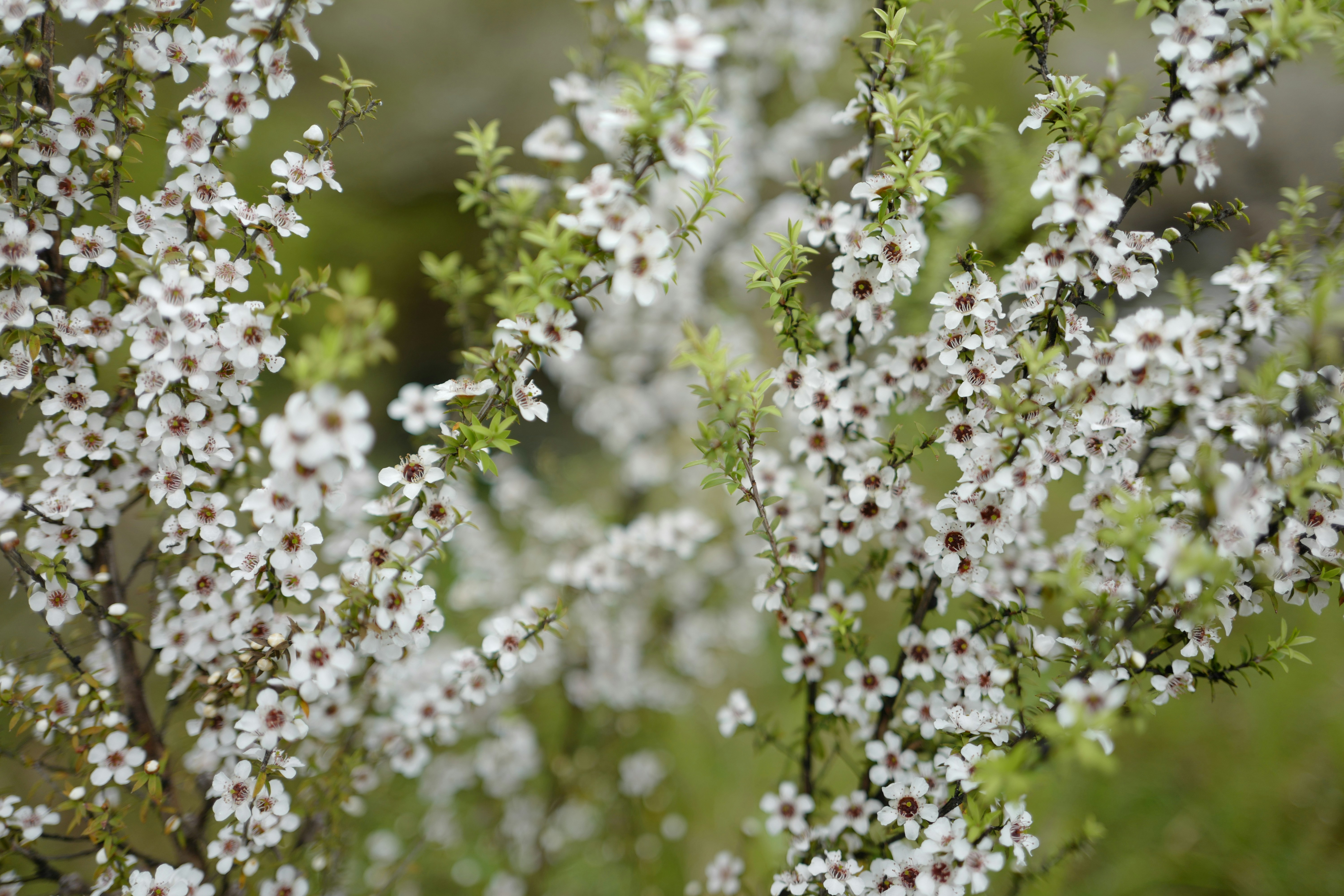
New research published today in the New Zealand Journal of Ecology shows that Mānuka forests planted to support honey production provide positive nature-related impacts. Not only does planting Mānuka trees for honey collection deliver health and financial benefits for local communities and the national economy, this research shows that the industry is also good for the environment.
A collaboration between Comvita and scientists from the Bioeconomy Science Institute (formerly Plant & Food Research), the study demonstrates that planting Mānuka forests on former high-country marginal grazing land can significantly restore biodiversity in as little as five years. It also highlights the powerful role reforestation can play in improving ecological health and acting as a long-term carbon sink to help mitigate climate change.
Comvita Chief Science Officer, Dr Jackie Evans, said the findings confirm what the Comvita team has been observing in the field.
"The science now backs what we've been seeing on the ground - Mānuka planting delivers measurable, rapid gains for native ecosystems. That's significant, because it shows protecting nature and productive land use can genuinely go hand-in-hand."
The study found that these young planted Mānuka forests quickly become thriving habitats for native wildlife, supporting birdlife, insects and even endangered long-tailed bats, at levels comparable to old regenerating native Mānuka forests.
Researchers also found freshwater streams bordered by planted Mānuka forests show markedly improved ecological health, with higher macroinvertebrate scores than waterways running through pastoral catchments.
Conducted on a central North Island property, the study compared biodiversity across four stages of land-use transition, from grazed pasture through to planted and naturally regenerating Mānuka forests. The findings identified a critical ecological tipping point between years three and five after planting, when rapid gains in biodiversity emerge.
The results demonstrate that converting marginal grazing land into planted Mānuka forest can deliver positive environmental outcomes while creating new and sustainable land-use opportunities for landowners.
Lead author of the study, Dr David Pattemore, formerly Senior Researcher at the Bioeconomy Science Institute and now Managing Director of Bushcast Limited, says the findings highlight the ecological potential of mass Mānuka reforestation.
“What surprised us most was the speed at which biodiversity returned. By year five, the Mānuka plantings were already supporting diverse and abundant insect and bird communities very similar to those found in a 30-year-old regenerating Mānuka forest.”
Coinciding with the United Nations' International Day of Forests, this research reinforces the growing importance of nature-based solutions that restore ecosystems and biodiversity, while mitigating climate change and supporting resilient rural economies.
Comvita Limited CEO, Karl Gradon, said the research is a reflection of how Comvita has always approached science and sustainability.
"Mānuka regeneration and biodiversity restoration are central to how Comvita operates. Since 2017, we have planted over 6 million Mānuka trees across New Zealand, creating more than 6,300 hectares of new Mānuka forest that is restoring biodiversity, improving water quality and to date has removed over 130,000 tonnes of carbon dioxide equivalent from the atmosphere.
“Research like this gives us confidence those efforts are delivering real environmental impact - and that the model is one others can build on.
“For the consumers who choose us, it also matters - it's independent confirmation that the choices they make have real environmental impact behind them."
The research has been published in the New Zealand Journal of Ecology and can be accessed here: https://newzealandecology.org/nzje/3627
Attachments
Note: Not all attachments are visible to the general public. Research URLs will go live after the embargo ends.


