 Sign In



 Australia; WA
News release
From:
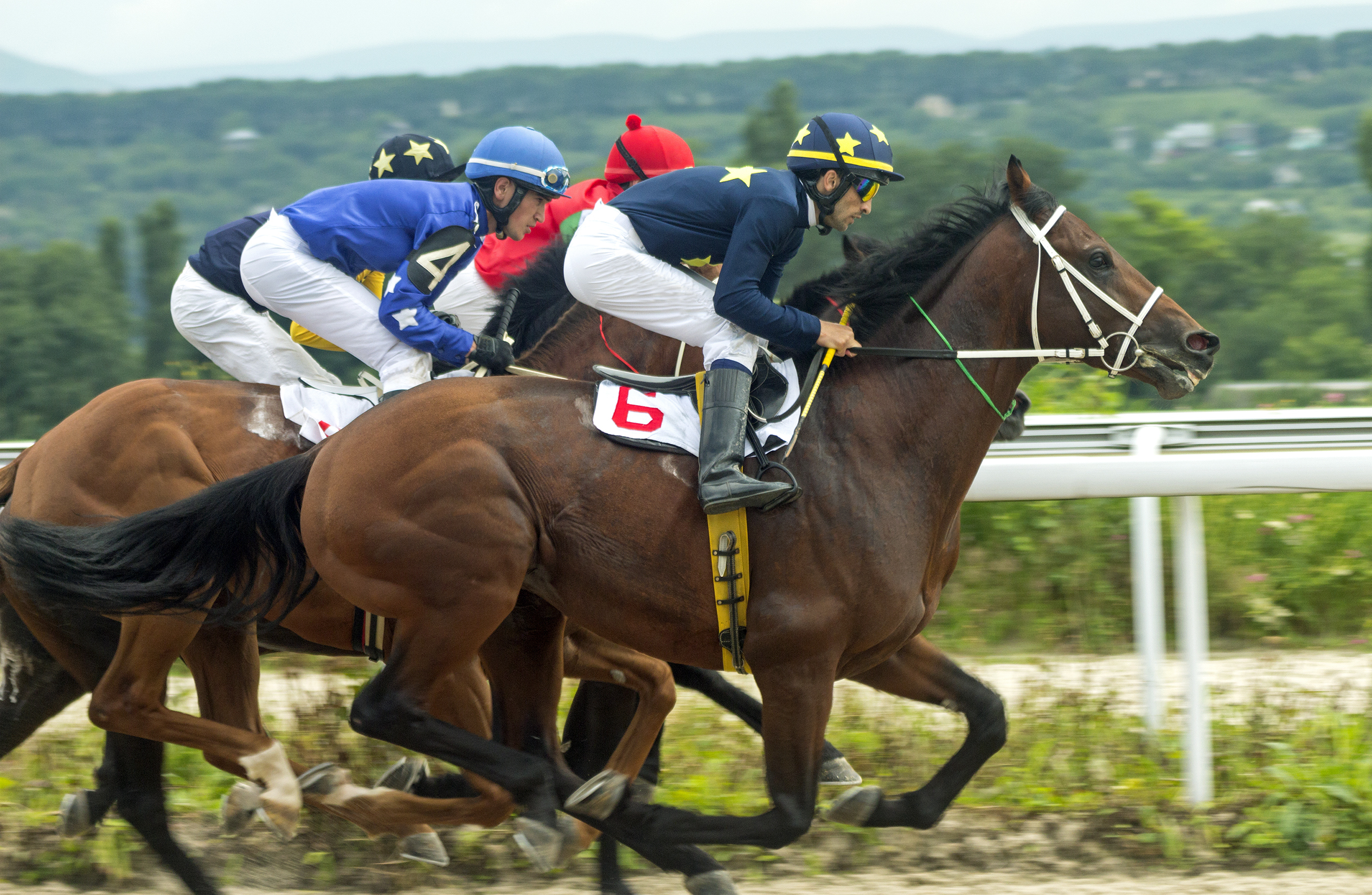
Proteomics International Laboratories Ltd (Proteomics International; ASX: PIQ), a pioneer in precision diagnostics, is pleased to announce that its majority owned subsidiary OxiDx Pty Ltd, in collaboration with The University of Western Australia, has published its latest results in the prestigious journal Animals providing critical insight into the relationship between oxidative stress and race performance.
As announced previously [ASX: 24 November], the results from the OxiDx blood test show Thoroughbred racehorses racing without oxidative stress were 76% more likely to place and 49% more likely to win (Probability (P) <0.0001). Overall, horses racing without oxidative stress accounted for 88% of top three finishers.
The newly published study which evaluated 75 racehorses across 216 races also revealed a clear cumulative effect from intense training and racing. Using the OxiDx blood test oxidative stress was detected in 24% of horses before their first race, increasing to 53% after three consecutive races. Oxidative stress levels remained elevated for at least 8 days post-race. This suggests a critical recovery window that should be observed before a horse returns to high intensity training and that a significant proportion of horses are currently racing without full recovery, with implications for both performance and welfare.
Proteomics International Managing Director Dr Richard Lipscombe said, “The publication of these groundbreaking results in such a prestigious peer-reviewed journal emphasises the quality of the data. These results demonstrate the capacity of the OxiDx test to detect subtle and cumulative physiological stress that may precede muscle injury - providing trainers and veterinarians with an objective tool to guide racing readiness, which may ultimately improve both performance outcomes and welfare standards.”
Elevated oxidative stress is a sensitive biomarker of muscle injury, a major issue in the horse racing industry with many injuries going undetected1. Approximately 85% of thoroughbreds sustain at least one injury during their two- and three-year-old racing seasons2, potentially as a result of undetected muscle injuries.
The global Thoroughbred racing industry is worth more than A$400 billion annually3, driven by high-performance demands, intense competition, and the need to safeguard valuable equine assets. Australia is a major global racing hub, with an industry valued at over A$9 billion, more racecourses than any other country, the second-largest number of racehorse starters worldwide, and the world’s richest turf race, The Everest (A$20 million prize money) 4.
Performance variability and injury remain significant commercial risks, with musculoskeletal issues responsible for around half of all lost training and racing days. As racing stables and regulators increasingly adopt sports science and precision monitoring, demand is growing for objective, data-driven tools that can detect physiological stress and optimise training decisions.
The OxiDx test offers a breakthrough solution—providing actionable biomarker insights to enhance performance, reduce injury risk, and protect high-value racing stock. Previously published results have shown the first-in-class OxiDx test can identify and assess recovery from exercise-induced muscle damage in Australian thoroughbred racehorses [ASX: 14 July], and in elite marathon runners [ASX: 31 December 2024].
The manuscript titled: "Stable Levels of Thiol-Oxidised Plasma Albumin, a Biomarker of Oxidative Stress, Is Correlated with Enhanced Performance in Australian Thoroughbred Racehorses” was published in the journal Animals and is available online [https://doi.org/10.3390/ani15243580].
About OxiDx
OxiDx Pty Ltd (Perth, Western Australia) is a 66 per cent owned subsidiary of Proteomics International. OxiDx is commercialising technology for measuring oxidative stress developed in collaboration with The University of Western Australia. Oxidative stress is implicated in over 70 health conditions, with levels often reflective of a person or animal's health condition. The patented OxiDx test detects systemic oxidative stress using a precise ratio-metric method to measure protein biomarkers via a simple dried blood sample. Target applications include high-performance athletes and the horse racing industry, where the OxiDx test can be used to assess muscle damage and recovery from exercise.
About Proteomics International Laboratories (PILL) (www.proteomicsinternational.com)
Proteomics International (Perth, Western Australia) is a wholly owned subsidiary and trading name of PILL (ASX: PIQ), a medical technology company at the forefront of precision diagnostics and bio-analytical services. The Company specialises in the area of proteomics – the industrial scale study of the structure and function of proteins. Proteomics International's mission is to improve the quality of lives by the creation and application of innovative tools that enable the improved treatment of disease.
1. Diagnosing and managing muscle tears in horses
2. Animals (2023); doi: 10.3390/ani13030490
3. liquidity-provider.com/news/the-economics-of-horse-racing-a-deep-dive-into-the-financial-world-of-the-sport/
4. publishingservices.racingaustralia.horse/newsletters/2024_Racing_Australia_Fact_Book/


