PFAS pollutants could be altering fish behaviour

Publicly released:
International
Photo by Lidia Nikole on Unsplash

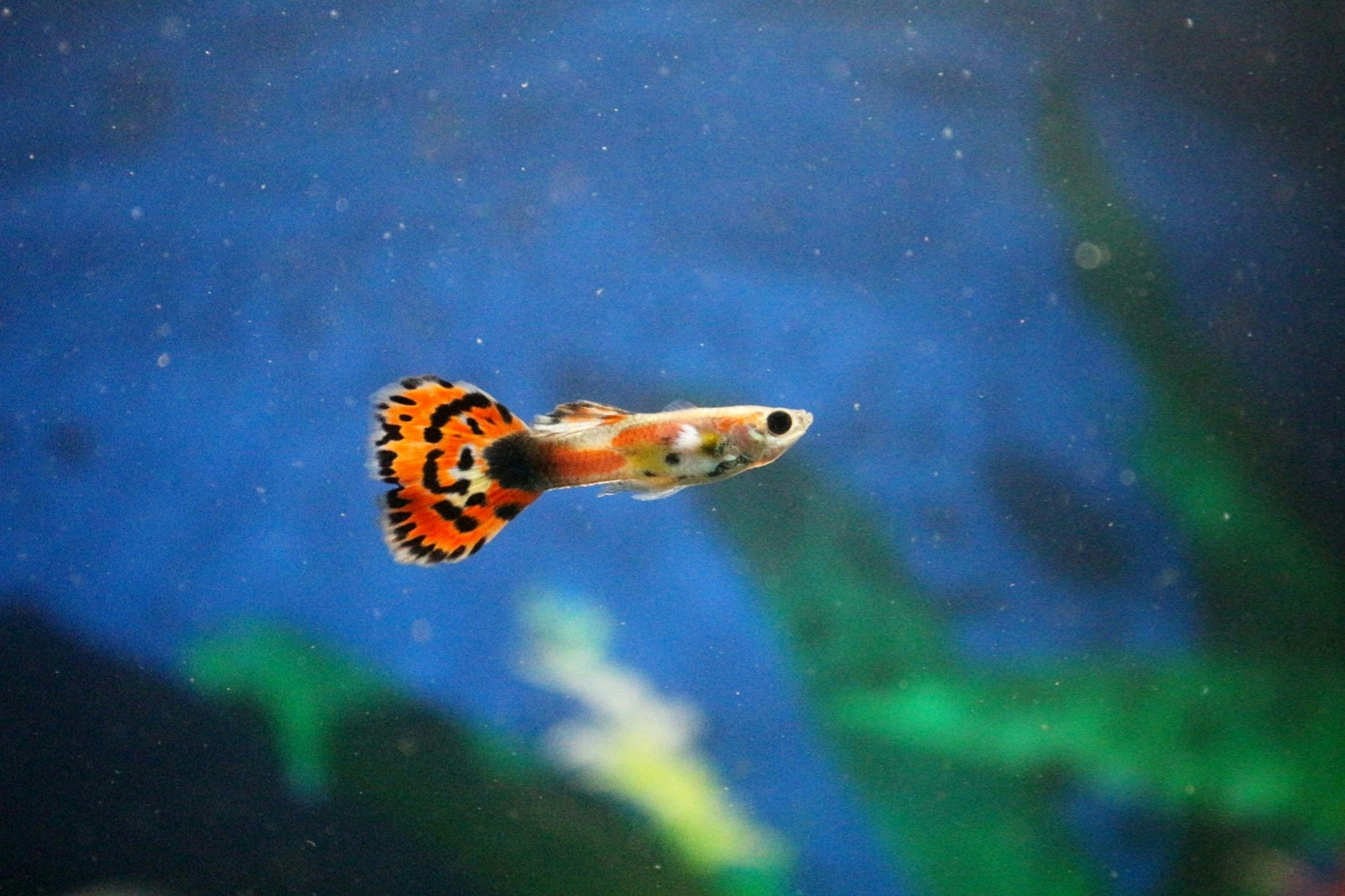
PFAS in the environment could be altering animal behaviour and affecting their ability to survive, according to international researchers. The team exposed male guppies to environmentally realistic levels of two kinds of PFAS pollutants – PFOA and GenX. While exposure to GenX saw no measurable effects, they found the fish exposed to PFOA were more active and showed a reduced ability to alter their behaviour based on their environment. While PFOA has been banned in Australia, the team says their findings suggest even low levels of some PFAS pollutants that remain in the environment can alter behaviour in ways that could affect their survival and resilience.

News release

From: The Royal Society

Beyond mortality: behavioural disruption and reduced plasticity as sublethal effects of PFAS

Royal Society Open Science

Environmental pollution can affect animal behaviour in ways that may be difficult to detect but have important ecological consequences. We investigated how long-term exposure to two common PFAS pollutants (PFOA and GenX) influenced the behaviour of male guppies. Fish exposed to environmentally realistic concentrations of PFOA were more active and showed reduced behavioural plasticity over time, while GenX had no measurable effects. These findings suggest that even low levels of some PFAS can alter behaviour in ways that may affect survival and population resilience. The study also highlights the value of examining individual behavioural differences to better understand the impacts of environmental contaminants.

Attachments

Note: Not all attachments are visible to the general public. Research URLs will go live after the embargo ends.

Research The Royal Society, Web page The URL will go live after the embargo lifts.
Journal/
conference:
Royal Society Open Science
Research:Paper
Organisation/s: University of Padua, Italy
Funder: This work was supported by the University of Padova [STARS-StG-2021 ‘AsTER’], and the National Biodi- versity Future Centre-NBFC, funded under the National Recovery and Resilience Plan (NRRP), Mission 4 Component 2 Investment 1.4 (Project code CN _00000033).
Media Contact/s
Contact details are only visible to registered journalists.