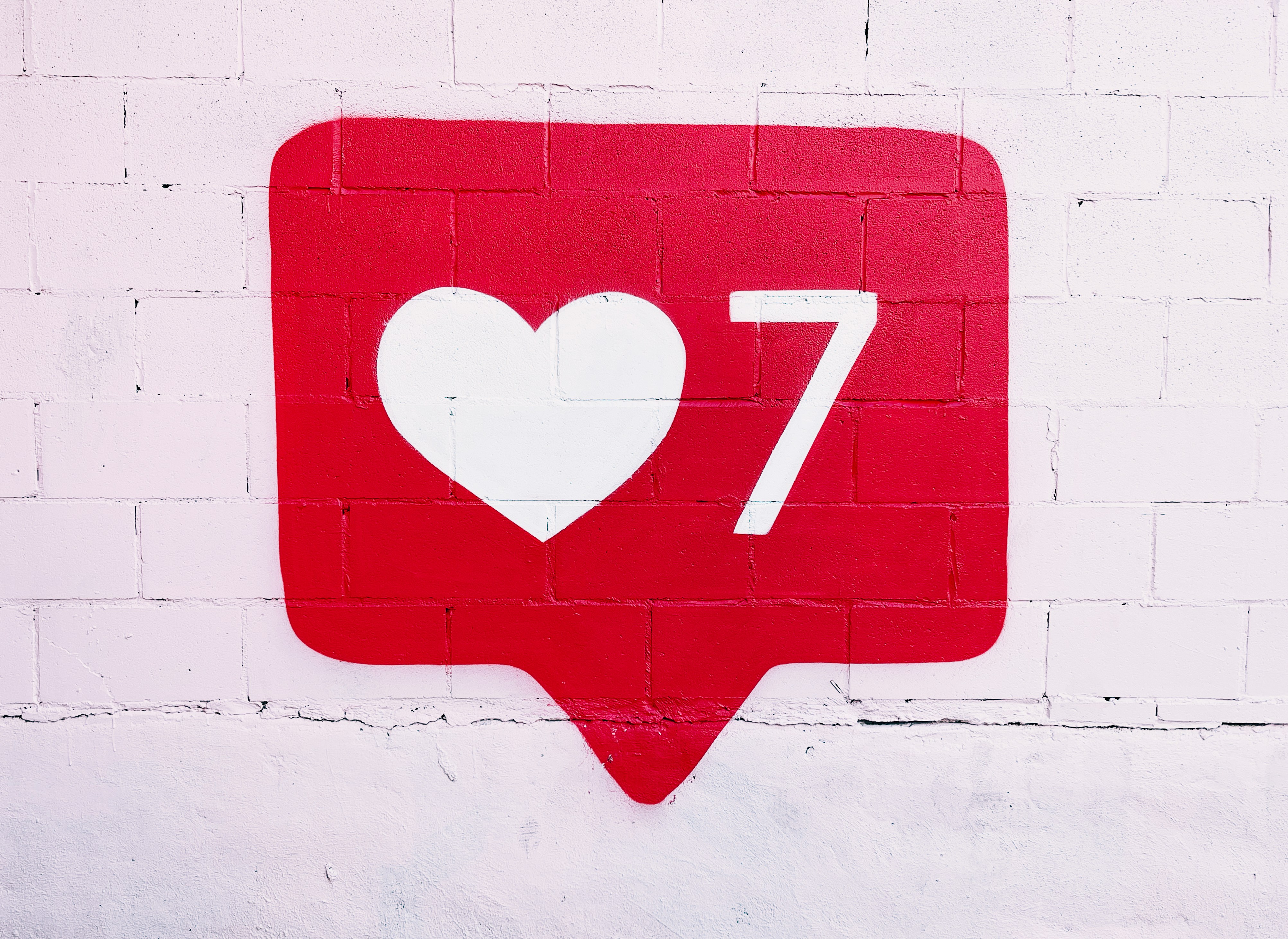
People with depression may be more likely to chase likes on social media

Publicly released:
International
Photo by Jon Tyson on Unsplash

People with depression or depressive symptoms may be more heavily motivated by the likes they get on social media, according to an international study of Twitter users. Using various recruitment methods, the researchers ran several tests comparing the behaviour of Twitter users with depression and a random sample of users, looking at how much they were likely to post the day after getting a lot of likes on a tweet. In all the datasets, the researchers say depression and depressive symptoms were linked to a higher likelihood of being influenced by the amount of likes they were getting. The authors say this contradicts previous lab-based studies showing people with depression are less responsive to rewards, suggesting real-world rewards such as social media validation may impact a depressed brain differently.

News release

From: JAMA

The Reinforcement Effect of Social Media Likes in Depression

About The Study: In this study, depressive psychopathology was associated with a greater tendency to be reinforced by a type of social reward on Twitter, in contrast to typical laboratory-based findings of blunted reinforcement learning in depression. These findings suggest potential mechanisms linking social media use to worse mental health or vice versa, and emphasize the importance of studying real-world behavior.

Attachments

Note: Not all attachments are visible to the general public. Research URLs will go live after the embargo ends.

Research JAMA, Web page The URL will go live after the embargo ends
Editorial / Opinion JAMA, Web page The URL will go live after the embargo ends
Journal/
conference:
JAMA Psychiatry
Research:Paper
Organisation/s: Princeton University, USA
Funder: Dr Mirea was supported by a Princeton Precision Health grant. Dr Nook is supported by a NARSAD Young Investigator Grant from the Brain and Behavior Research Foundation and a Princeton Precision Health grant. Dr Niv is supported by the National Institute of Mental Health (R01MH119511).
Media Contact/s
Contact details are only visible to registered journalists.