Past coronaviruses suggest more viruses than we thought may have a way to sneak into our cells

Publicly released:
International

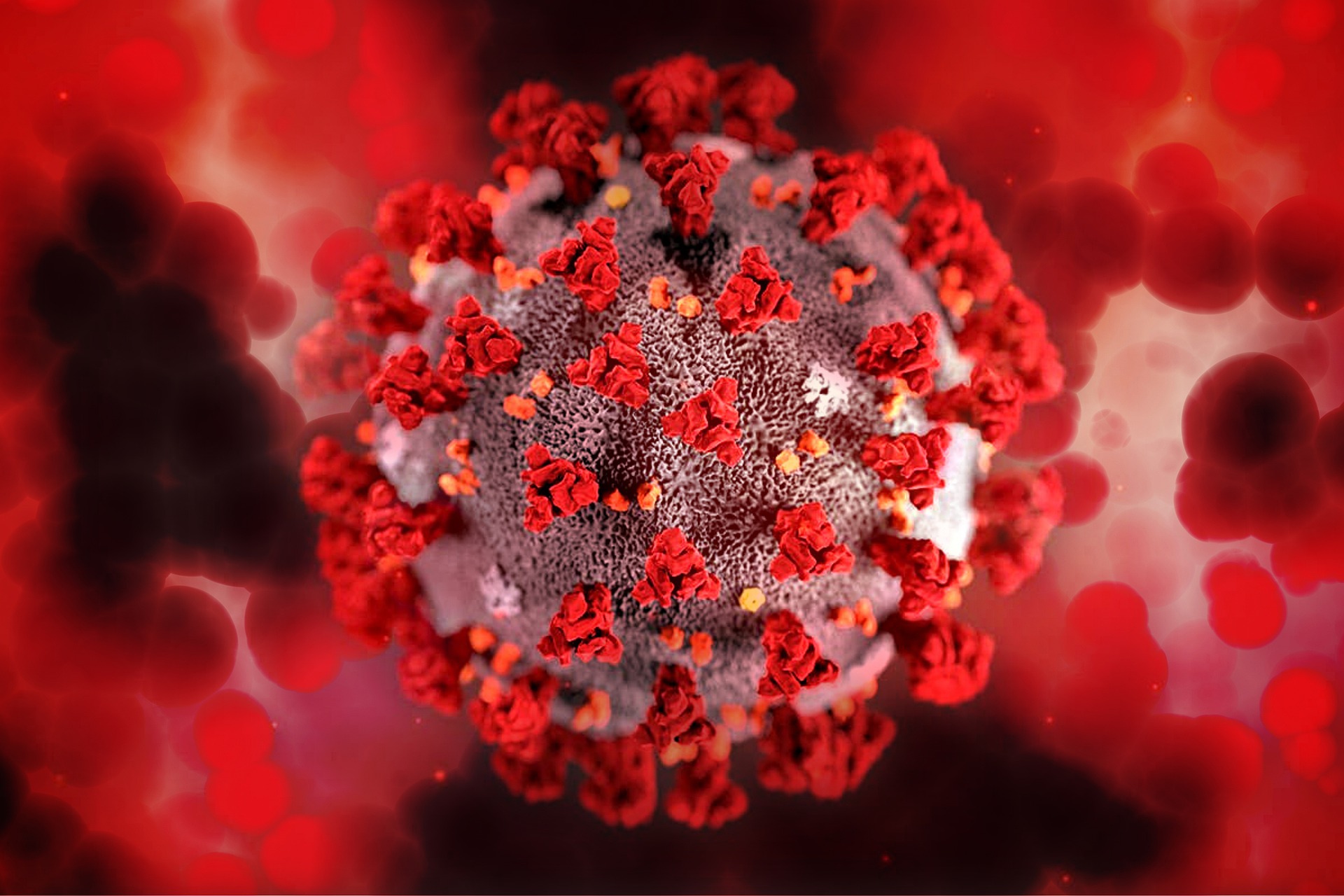
Coronaviruses' ability to bind to the ACE2 receptor — an important step in their ability to infect humans and other animals — could be more widespread than previously thought, according to US research. The researchers found that instead of being a recent development, the ability to bind ACE2 is an ancient property of bat SARS-related coronaviruses, and is found in coronaviruses outside of Asia. The researchers also found that many of the coronaviruses that already bind one species’ ACE2 can jump to another species’ ACE2 (including humans’) by switching a single protein building block, or amino acid. They say this broadens the range of viruses in this group that could spillover in humans. 

Attachments

Note: Not all attachments are visible to the general public. Research URLs will go live after the embargo ends.

Research Springer Nature, Web page Please link to the article in online versions of your report
Journal/
conference:
Nature
Research:Paper
Organisation/s: Fred Hutchinson Cancer Research Center, USA
Funder: This study was supported by the National Institute of Allergy and Infectious Diseases (DP1AI158186 and HHSN272201700059C to DV, and R01AI141707 to JDB), the National Institute of General Medical Sciences (R01GM120553 to DV and 5T32GM008268-32 to SKZ) a Pew Biomedical Scholars Award (DV), Investigators in the Pathogenesis of Infectious Disease Awards from the Burroughs Wellcome Fund (DV and JDB), Fast Grants (DV), the Bill & Melinda Gates Foundation (OPP1156262 to DV and INV-004949 to JDB), and the Russian Foundation for Basic Research (20-04-60154 “An analysis of genetic diversity of zoonotic viruses in Russian populations of bats and rodents” to SA). TNS is an HHMI Fellow of the Damon Runyon Cancer Research Foundation. DV and JDB are investigators of the Howard Hughes Medical Institute.
Media Contact/s
Contact details are only visible to registered journalists.