 Sign In



 International
News release
From:
Study gauges healthcare worker stress during pandemic
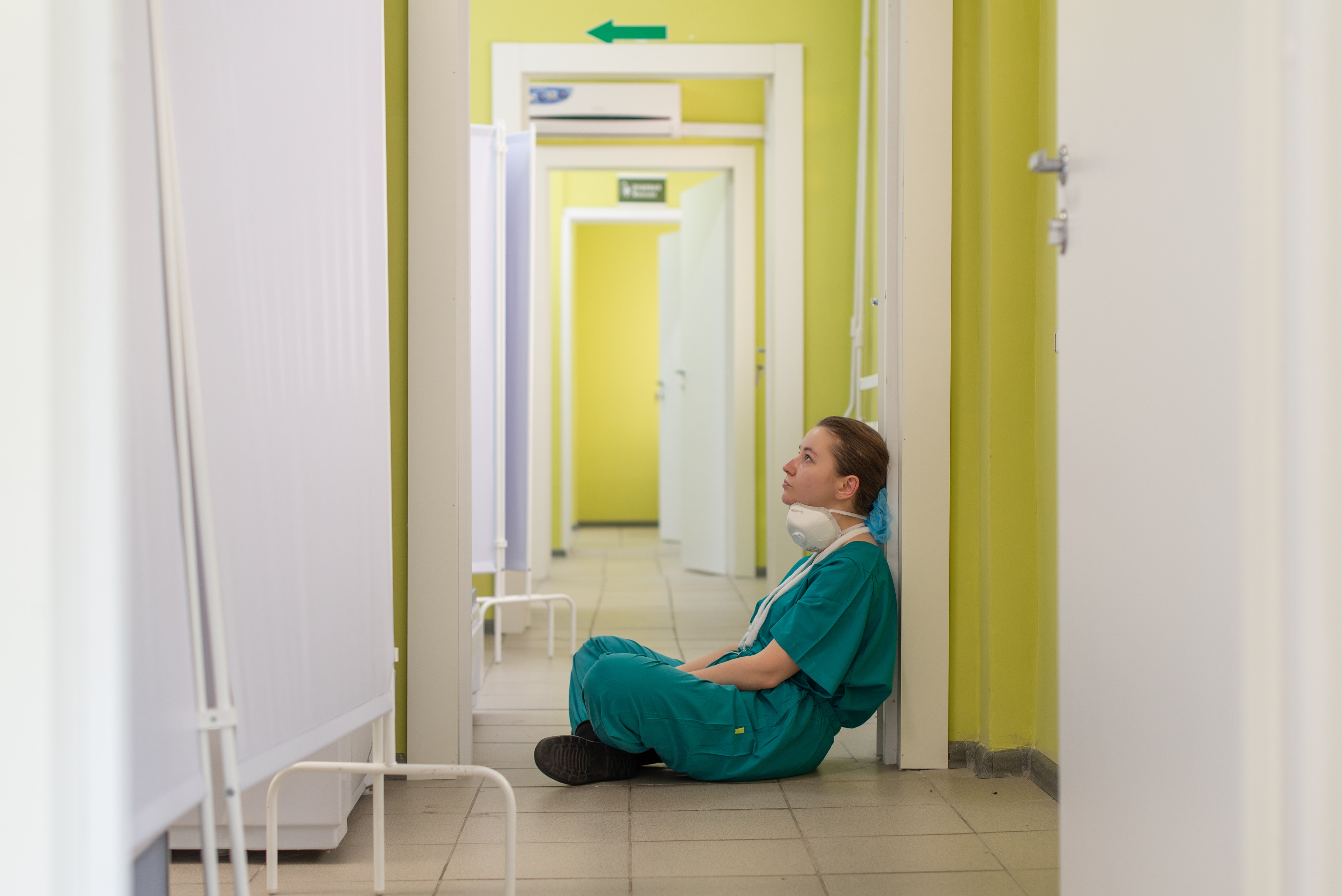
Healthcare workers, women, and people under age 50 experienced especially high levels of stress during the first wave of the COVID-19 pandemic, according to a new study published October 6th in the open-access journal PLOS ONE by Sebastien Couarraze of University Hospital of Toulouse, France, and colleagues.
The COVID-19 pandemic has been the cause of considerable stress for people around the globe. Healthcare workers, including paramedical staff, have been on the front lines during this health crisis. Many studies have focused on the stress and concern of healthcare professionals during this time but relatively fewer studies have compared the stress of physicians to paramedical staff or fully assessed other risk factors for stress.
In the new study, Couarraze and colleagues used data from COVISTRESS, an international questionnaire distributed online that has collected demographic and stress-related information during the pandemic. The researchers analyzed 10,051 workers—including 1379 healthcare workers, 631 medical doctors and 748 paramedical staff—from 44 countries who completed the survey from January to June 2020.
The stress levels during the first wave of the pandemic—on a visual analog scale from 0 to 100—were 57.8 ± 33 in the whole cohort, 65.3 ± 29.1 in medical doctors and 73.6 ± 27.7 in paramedical staff. Healthcare professionals demonstrated an increased risk of very high stress levels (over 80 on the scale) compared to other workers (OR=2.13, 95% CI 1.87-2.34) and the risk for very high stress was higher for paramedical staff than doctors (1.88, 1.50-2.34). Across occupations, the risk of very high stress was also found to be increased in women compared to men (1.83, 1.61-2.09, p<0.001) and those under age 50 compared to older adults (1.45, 1.26-1.66, p<0.001). The authors say that continuing to monitor work-related stress and its effect on healthcare workers is crucial for post-pandemic planning.
The authors add: “The health crisis caused by Covid-19 is unprecedented in the history of health. The effects on workers and in particular on their stress levels must be explored in order to put in place appropriate preventive measures. The results of our study show that workers have been particularly affected and that healthcare professionals have been the most affected. Among health professionals, nurses in particular had very high levels of stress.”
#####
Attachments
Note: Not all attachments are visible to the general public. Research URLs will go live after the embargo ends.


