 Sign In



 International
News release
From:
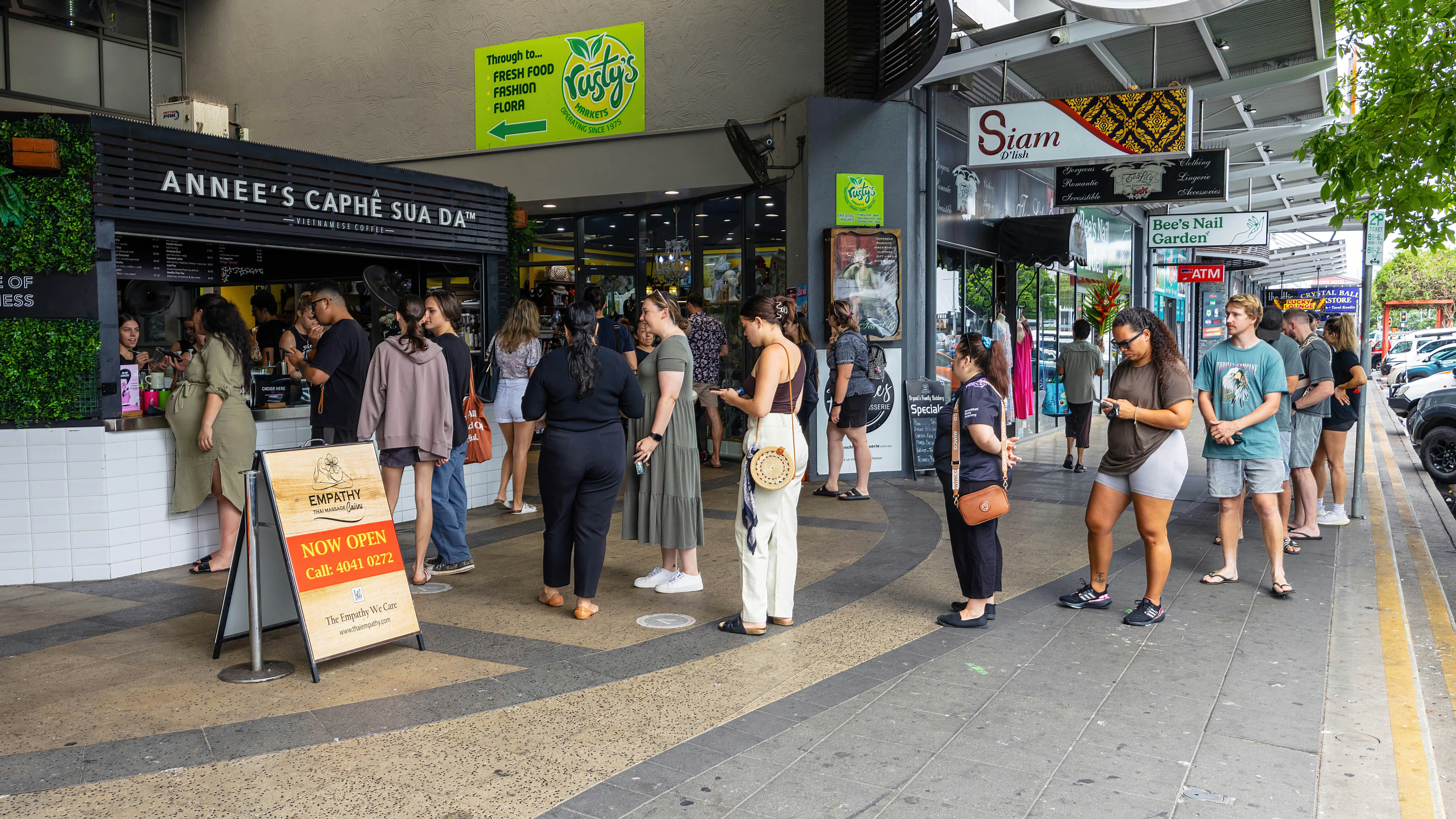
Not my cup of tea - Brits’ deep distaste for queue jumpers may be down to their ‘moral taste’. Researchers have suggested reactions to everyday behaviour can be predicted by the ‘Moral Flavours Model’. The model considers how much moral concern a behaviour evokes, its ‘flavour’ or type (e.g. harm or violations of loyalty) and societies' 'moral tastes'. It can predict how different cultures judge both mundane actions, like queue jumping, and divisive moral issues such as euthanasia. Interface
Same Flavours, Different Taste Buds: A Theory for Predicting Social Norms for Specific Behaviours Across Cultures
RSIF
Why do some societies frown upon public displays of affection while others disapprove more of queue-jumping? Our research reveals that cultural differences in social norms follow predictable patterns. We developed the Moral Flavours Model, which proposes that behaviours have different "moral flavours" and societies have different "moral tastes". Remarkably, we found that the same moral tastes explain both what people think about critical moral issues (like euthanasia or terrorism) and mundane social behaviours (like singing on a bus or listening to music in a restaurant).
Attachments
Note: Not all attachments are visible to the general public. Research URLs will go live after the embargo ends.


