 Sign In



Attachments
Note: Not all attachments are visible to the general public. Research URLs will go live after the embargo ends.

 Australia; International
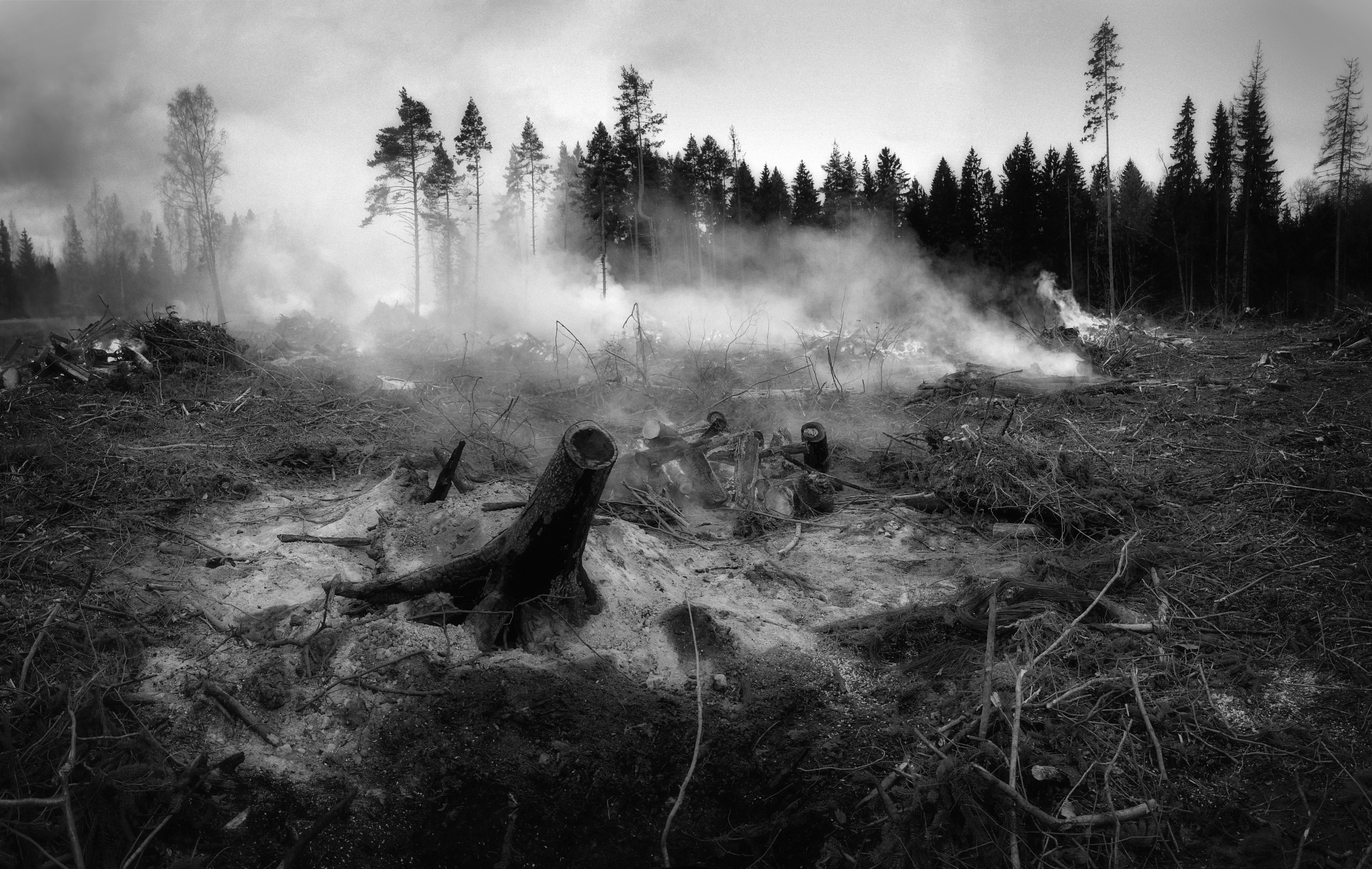
Wildfires, especially those that happen in areas that are used for mining, agriculture or where we live, could increase the levels of arsenic in nearby drinking water, say international researchers. The team reviewed 20 previous articles on fires across the world - including Australia - finding 16 showing an increase or a likely increase in arsenic in water bodies after a wildfire. They say runoff was the most common pathway for the arsenic, and while most average values did not exceed the drinking water standards, they found six of the studies showed it did, and one even showed there was too much in drinking water itself. They found the highest concentration (seven times the recommended maximum) was measured in water after a fire near an old mining operation, and higher values were seen downstream of burned agricultural or urban areas. The team say these data show that we might need to be testing our water following fires.
Note: Not all attachments are visible to the general public. Research URLs will go live after the embargo ends.

