 Sign In



 Australia; International; NSW
News release
From:
Cranial evidence for human-like helpless infancy in Homo erectus and Homo floresiensis
Proceedings of the Royal Society B: Biological Sciences
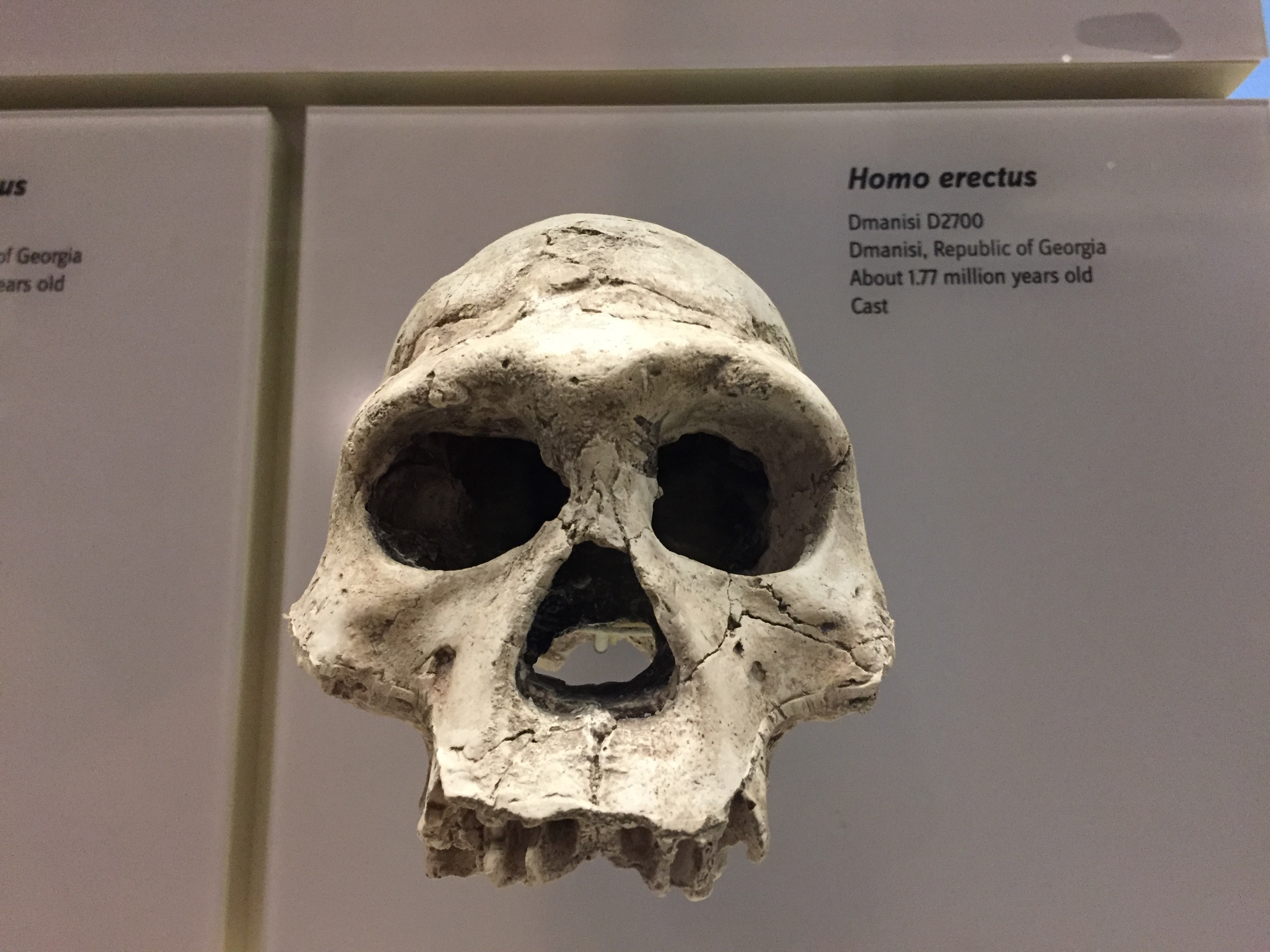
A long period of helpless infancy after birth is one of the most unique and mysterious characteristics in human life history. Because this trait is intimately linked to “obstetric dilemma” (a conflict between neonatal brain size and maternal pelvis size), difficult parturition, cooperative breeding etc., researchers have long been interested in when it evolved. Large-brained Neanderthals almost certainly experienced a similar human-like pattern of infant growth, but researchers disagree if that was also the case for Homo erectus whose brain sizes were ~20–40% smaller than Homo sapiens. However, the previous approaches to analyze infant cranial and adult pelvic fossils have been hampered by the rareness of such materials. To contribute to this debate, we introduced a new method that serves as a direct indicator of helpless infancy and can be more easily applied to the existing hominin fossils. We focused on deformational (positional) plagiocephaly, a type of asymmetric cranial deformity that develops in early infancy from gravitational forces exerted on the newborn’s cranium, when he/she is lying. Having this condition is a direct outcome of helpless infancy because of the immature state of human infant cranial bones and neck/body muscles. Because this deformity tends to be retained later in life, it can be a signature of helpless infancy even when found in adult cranial fossils. In this study, we demonstrated that extensive cranial deformation is unique to humans but not present in great apes. We also found that some Indonesia Homo erectus and Homo floresiensis skulls exhibit huma-like severe cranial deformation, supporting early evolution of helpless infancy and probably associated cooperative breeding including paternal infant care. Cranial deformity, a somewhat strange but familiar feature for many of us, actually has a deep evolutionary meaning for humanity.

