 Sign In



 International
News release
From:
The 5,300-year-old remains of ‘Ötzi the Iceman’ harbour both ancient and modern-day microbes, some of which may be metabolically active, according to research published in Microbiome. The findings suggest that while the current approach used to preserve the remains suppresses growth of most microbes, it may also sustain some organisms capable of thriving under conservation conditions.
The Iceman was discovered in the Ötztal Alps on the Austrian–Italian border in 1991, and his mummified remains have been preserved at minus 6 degrees Celsius to mimic the conditions in which they were found. However, it is unclear whether these storage conditions prevent the growth of microbes that could affect the body’s preservation.
Mohamad Sarhan, Frank Maixner, and colleagues analysed the bacteria and fungi found in skin swabs, tissue fragments, and internal thawed water samples from the mummified remains. They compared these with soil and ice samples collected from the discovery site and preserved in 1991.
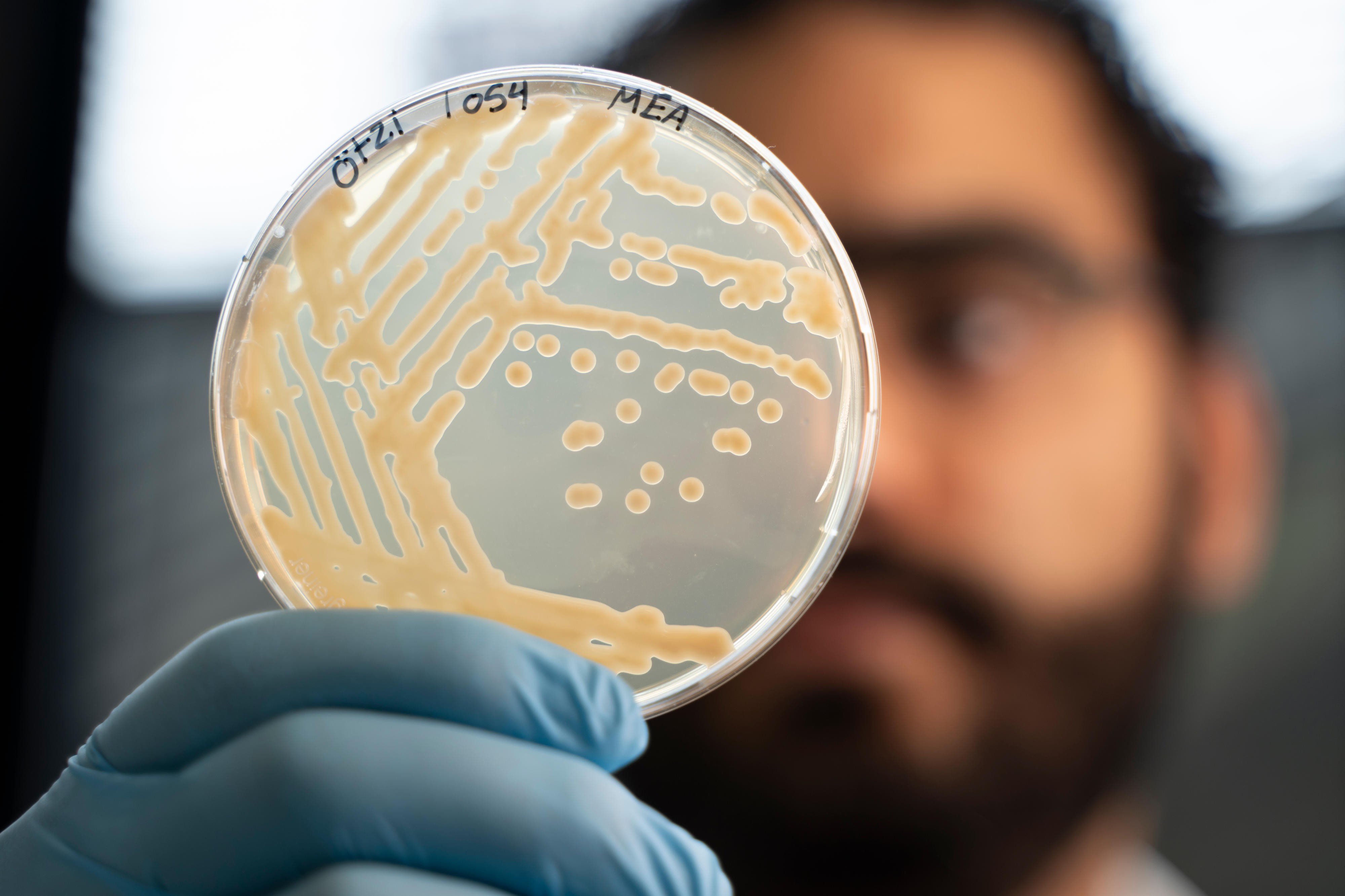
Pseudomonas bacteria were present across all samples and timepoints, while a community of anaerobic bacteria — primarily consisting of members of the Clostridium group — was present across internal tissue samples from all timepoints. Based on DNA damage levels, the authors suggest that the bacteria belong to an ancient community from the discovery site. The authors also isolated four yeasts belonging to groups adapted for cold environments — Phenoliferia, Glaciozyma, Goffeauzyma, and Mrakia — from samples collected during 2019. Based on DNA damage levels, these may be specimens that revived after the remains were thawed or descendants of these ancient yeasts. As the abundance of Glaciozyma has increased since 2010 while its DNA damage levels have decreased, it may be metabolically active, or capable of replicating under current conservation conditions.
Genomic analysis revealed that Glaciozyma, Mrakia, and the Clostridium group contain genes encoding protein, collagen, and lipid-degrading enzymes, while Pseudomonas, Glaciozyma watsonii, Pseudogymnoascus pannorum, and Phenoliferia glacialis contain genes required to degrade phenol — a disinfectant historically used to preserve the remains. Although this suggests that the microbial communities could potentially produce enzymes capable of degrading tissue and may be able to withstand some disinfection protocols, the authors stress that they have not observed any evidence damage to the remains so far.
The authors recommend proactive genomic surveillance and monitoring to detect any future potential transitions within the microbial communities from dormancy to active tissue degradation.
Multimedia

Attachments
Note: Not all attachments are visible to the general public. Research URLs will go live after the embargo ends.


